10 Things To Ask Before Hiring a Transport Company
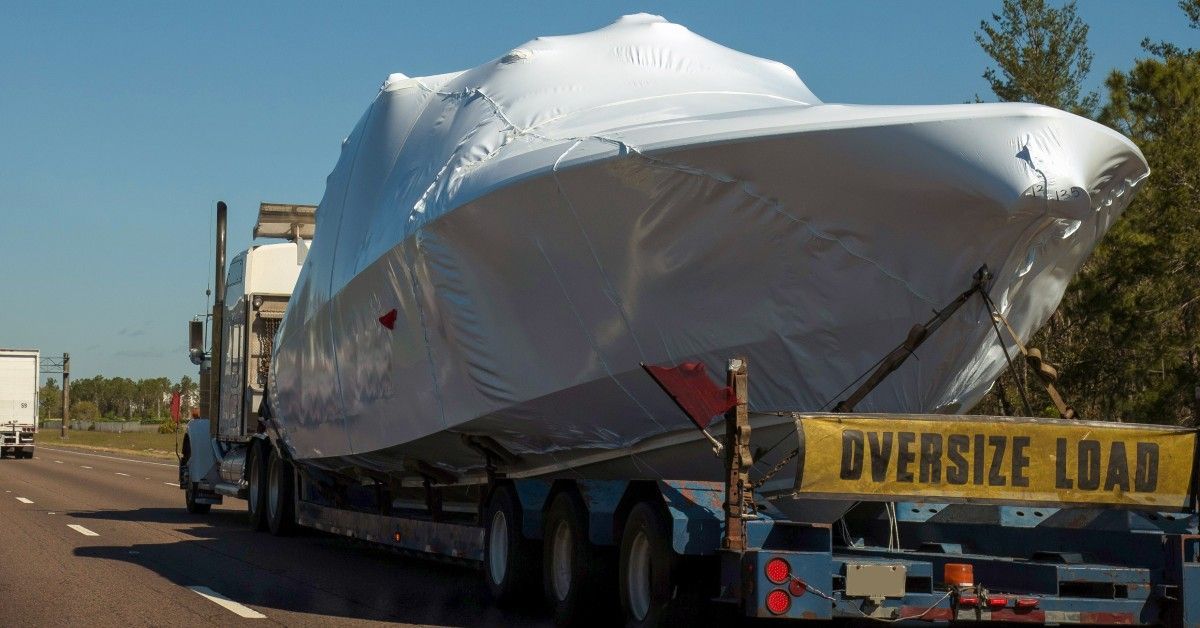
Imagine trusting your tiny home or cherished boat to someone you’ve never met and watching it roll away to a new destination. With so much at stake, it’s worth pausing to consider the things to ask before hiring a transport company that will truly safeguard your investment.
A single overlooked detail could mean costly setbacks, so the right questions—and the answers you receive—matter more than you think. Before you hand over the keys, make sure your decision is built on solid insight and confidence.
What Types of Transport Services Do You Specialize In?
The first step is to confirm that the company has direct experience with your specific type of item. A business that primarily moves standard vehicles may not have the expertise or equipment for a tiny home or a large RV. Confirm their core specializations and the types of loads they handle most frequently.
A reputable company will be transparent about its areas of expertise. Inquire if they can haul the dimensions, weight, and unique handling requirements of your item. This initial question filters out companies that are not a good fit for your job.
Are You Licensed, Insured, and Registered for Interstate Transport?
Proper credentials are nonnegotiable. Your transport company must hold the necessary licenses and insurance to operate legally. Request their USDOT (U.S. Department of Transportation) number and their motor carrier (MC) number, which you can verify through the Federal Motor Carrier Safety Administration (FMCSA) database.
Insurance is equally critical. Inquire about their liability and cargo insurance coverage, including the policy limits and what exactly is covered. For moves that cross state lines, the company must also have the authority for interstate transport, so be sure to confirm this as well.
What Equipment and Transport Methods Do You Use?

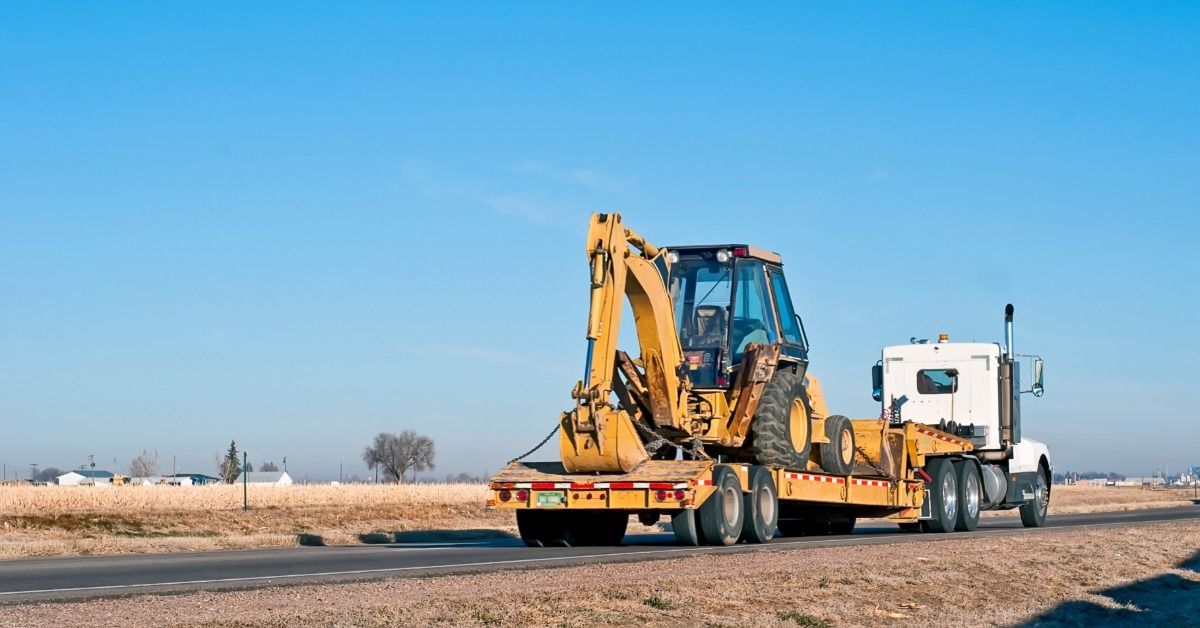
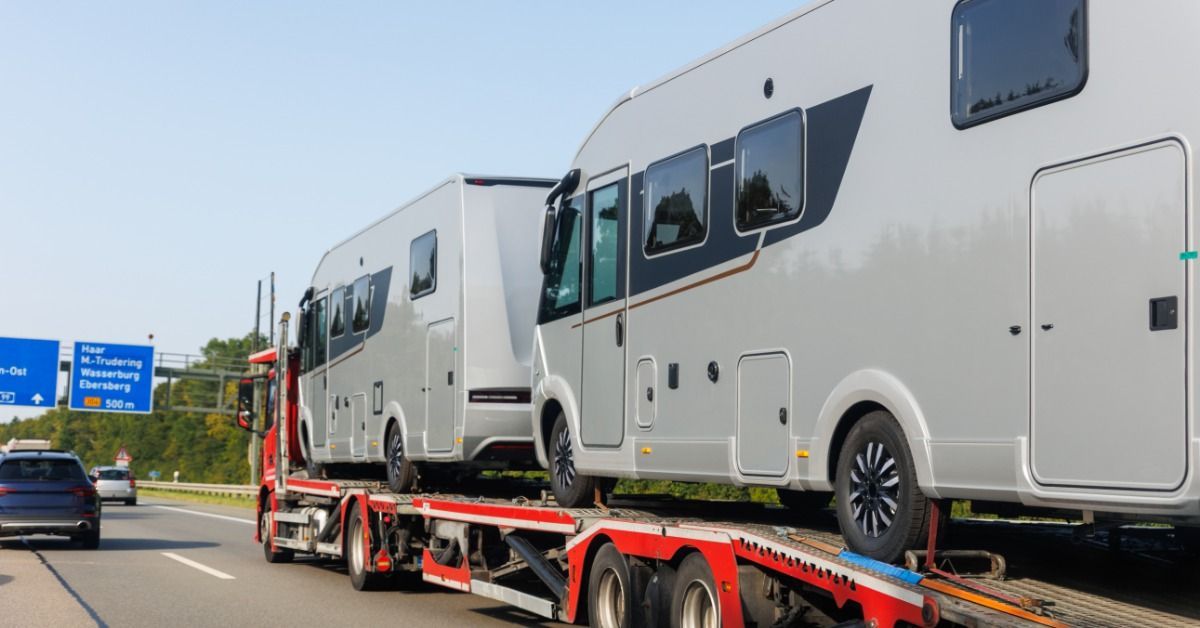
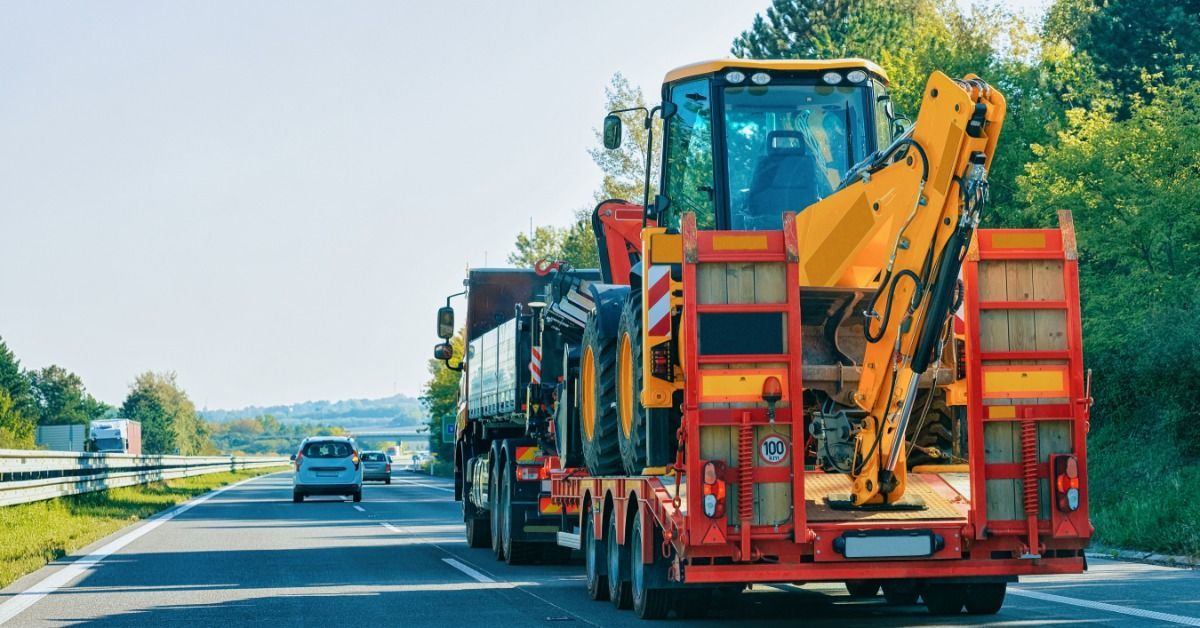
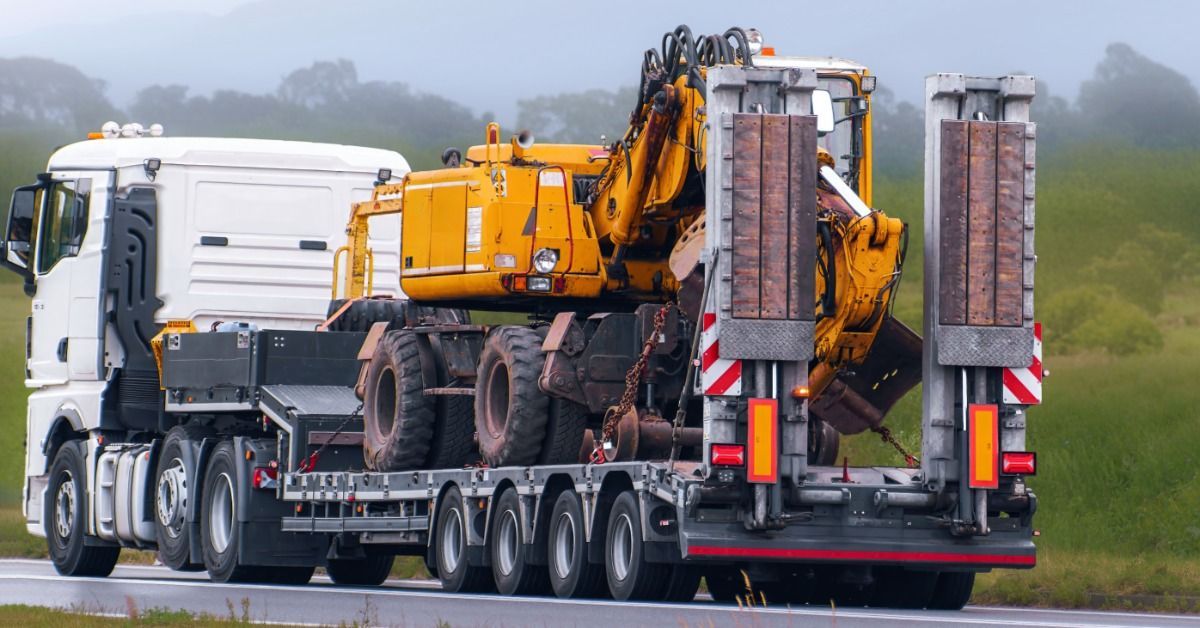
The equipment used is directly related to the safety and success of your move. Ask the company to describe the specific trailers and trucks they would use for your load. For example, moving a tiny home often requires a low-boy or flatbed trailer designed for oversized loads, while a vehicle might need an enclosed carrier for protection.
Understanding their fleet and technology gives you insight into their capabilities. A seasoned carrier can explain why a particular truck-and-trailer combination is the best choice for your shipment. This discussion demonstrates their expertise and attention to detail.
How Do You Determine What Is Included in Pricing?
Pricing for transport services can be complex, so it is vital to understand what your quote includes. Get clarity with a detailed, itemized breakdown of all costs. This should cover the base transport fee, fuel surcharges, permit fees, and any charges for special handling or equipment.
Don’t trust every quote that seems unusually low, as they may hide fees that appear later. A trustworthy company will provide a comprehensive quote that clearly explains each line item. Also, find out more about their payment schedule and any required deposit to book the service.
What Is Your Timeline and Delivery Process?
An obvious timeline is essential for planning. Ask the company for an estimated pickup window and a projected delivery date. While transport can be subject to delays due to weather or road conditions, a professional logistics moving company should be able to provide a realistic schedule.
Request information about the delivery process itself. Find out if they offer door-to-door service or if you will need to meet the driver at a specific location. Understanding the entire process from pickup to drop-off helps you prepare and manage your own schedule accordingly.
How Do You Handle Permits, Routing, and Oversized Load Requirements?
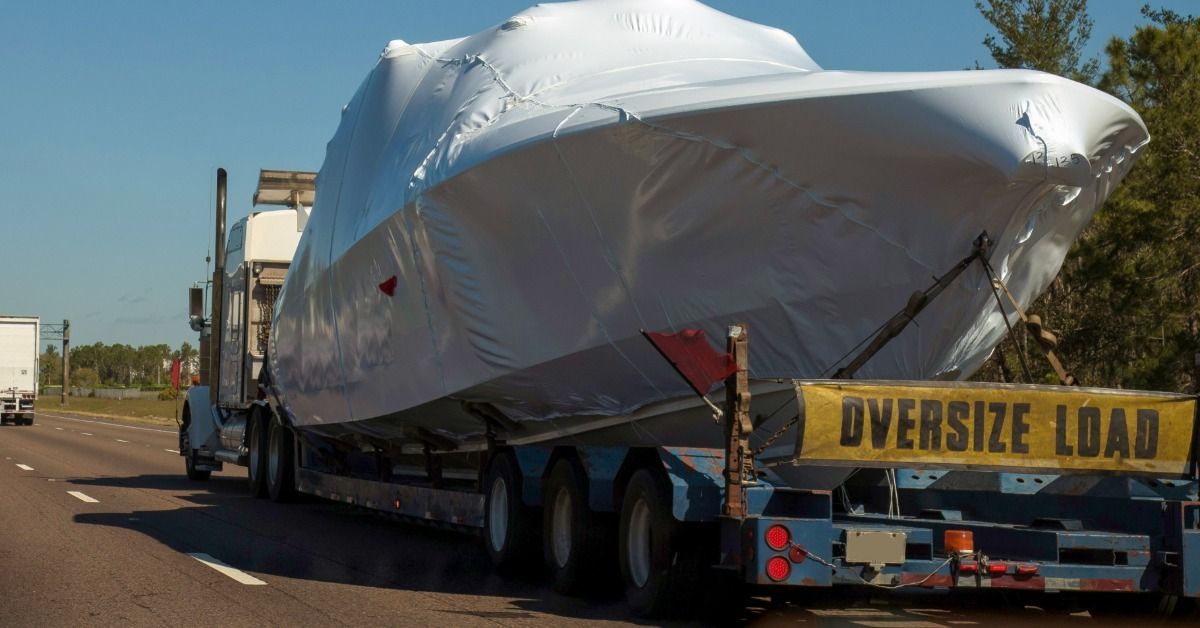
Moving large items, particularly across state lines, involves navigating a web of regulations. Each state has its own rules for oversized loads, including specific permits, approved travel times, and mandatory routes. Have the transport company walk you through how they manage this complex process.
An experienced heavy-haul company will handle all necessary permits and plan the route to comply with all state and federal laws. They should be knowledgeable about pilot car requirements and any other regulations that apply to your specific load. This expertise is crucial for avoiding fines and delays.
What Safety Measures Do You Take During Transport?

The safety of your property during transit should be a top priority. Seek clarification about the company's safety protocols and the measures they take to secure and protect your item. This includes how they load and monitor the cargo throughout the journey.
Check in about their driver training programs and safety records. A company committed to safety will have established procedures for pretrip inspections, regular equipment maintenance, and driver conduct. Their answers will reflect their dedication to protecting both their team and your valuable asset.
Can You Provide References or Proof of Past Work?
A proven track record is a strong indicator of reliability. Ask the company for references from past clients who had similar transport needs. Speaking with previous customers can provide firsthand knowledge into their experience with the company's service quality.
In addition to references, you can request photos or case studies of similar moves they have completed. Many well-established transport companies showcase their work on their websites or social media. Reviewing their past projects can give you confidence in their ability to handle your move successfully.
What Is Your Communication Process During the Move?
Clear and consistent communication is key to a stress-free hauling job. How will the company keep you updated during the transport process? Will you have a single point of contact? How often can you expect to receive updates on your shipment's progress?
Some companies offer GPS tracking that allows you to monitor your shipment's location in real time, while others provide regular updates via phone or email. Understanding their communication plan from the outset helps set expectations. It also ensures you know who to contact if you have a question or concern during the move.
What Happens if Something Goes Wrong?
Even with the best planning, unexpected issues can arise. It is important to know how the company handles problems, such as damage or breakdowns. Verify their contingency plans and their process for filing an insurance claim if damage occurs.
A qualified company will have an established process for addressing issues. Their response to this question will reveal their level of preparedness and their commitment to customer satisfaction. A fair claims process is a hallmark of a reputable carrier.
By asking these questions, you gather the necessary information to choose a reliable and qualified transport partner. Taking the time to vet your options properly is a crucial step in a successful move. Knowing the right things to ask before hiring a transport company will help you secure a partner who can safely and efficiently deliver your property to its new destination.