Common Mistakes People Make When Shipping RVs
Watching your RV roll away on a transport truck can feel like handing over a piece of your home on wheels. You’ve planned the trip, packed the essentials, and arranged the pickup—but even the smallest oversight can turn a smooth shipment into a stressful experience. Knowing the most common mistakes people make when shipping RVs can help you avoid those headaches and make sure your next move goes exactly as planned.
Failing To Properly Vet a Transport Company
The transport company you choose plays the biggest role in a successful RV shipment. A common mistake is selecting a carrier based solely on price without confirming their reputation or qualifications. Reputable RV moving services are transparent about their operating authority (MC/DOT numbers), which you can verify through the Federal Motor Carrier Safety Administration (FMCSA) database.
Look for transporters with strong customer reviews, experience handling your specific RV type, and the proper equipment for its size. A company that typically hauls passenger cars may not have the right tools for a large fifth wheel or motorhome. Thorough vetting safeguards your property and ensures a professional, reliable experience from start to finish.
Overlooking Size and Weight Restrictions
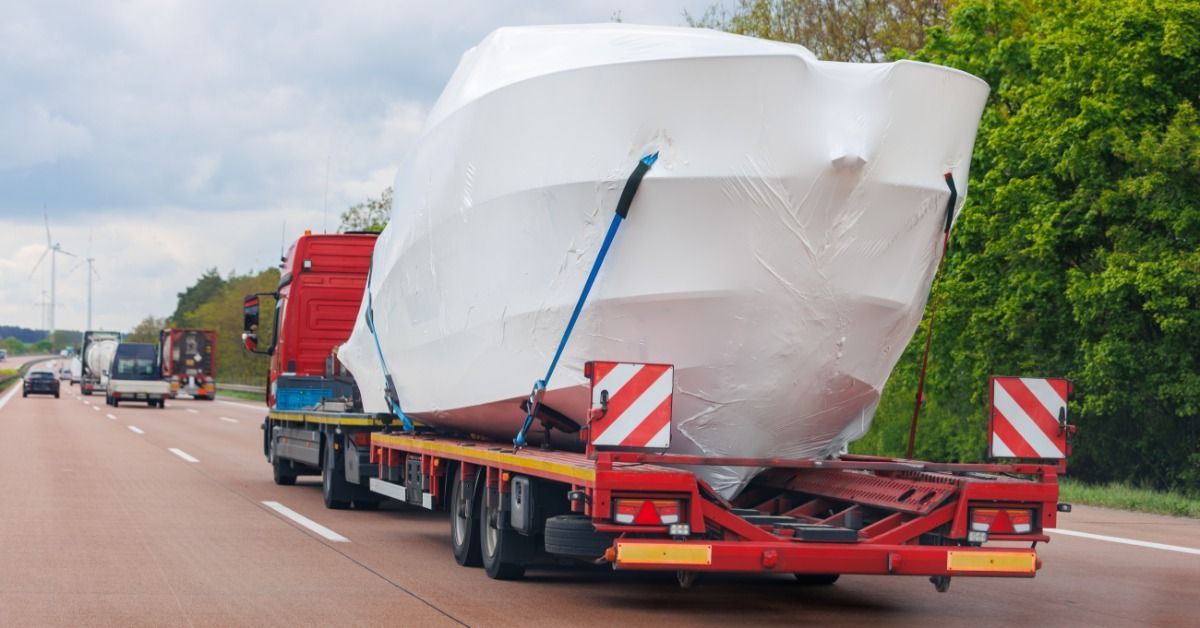
Every state enforces strict rules on vehicle height, length, width, and weight. RVs often push those limits. Failing to provide accurate dimensions to your carrier can result in unexpected fines, permit delays, or even route changes mid-transport.
Before scheduling shipment, record your RV’s exact measurements and Gross Vehicle Weight Rating (GVWR). An experienced carrier will use these details to plan a compliant route and obtain the right oversize permits. In some cases, they may even need to coordinate escort vehicles to stay within state regulations. By addressing these variables upfront, you’ll avoid legal issues, delivery delays, and added costs once your RV is already on the road.
Not Preparing the RV for Transport
An unprepared RV is one of the most common causes of damage during shipment. Vibration or movement can shift or break loose items. Before pickup, remove all valuables and personal belongings, then make sure you lock everything inside, including cabinets, drawers, and loose fixtures.
Disconnect all electrical, gas, and water systems before pickup. If you’re shipping in freezing conditions, take the extra step to winterize the plumbing. A few hours of preparation protect both the interior and mechanical systems, minimizing the risk of costly repairs after delivery.
Forgetting To Secure or Retract Exterior Components
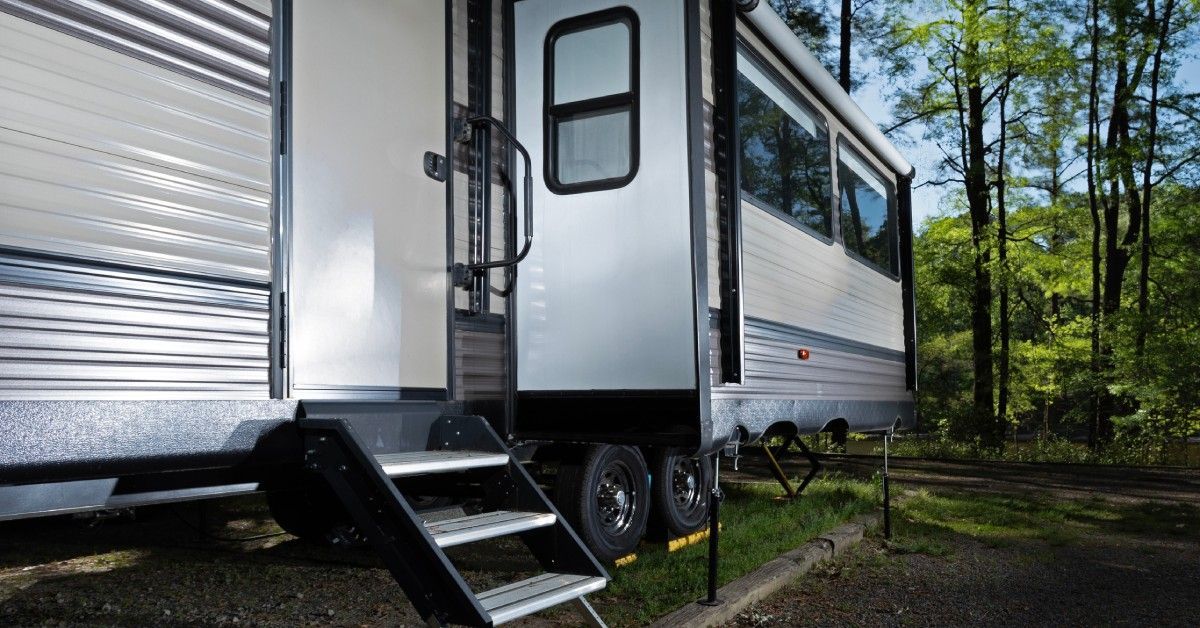
The outside of your RV faces intense wind and vibration during transit, so exterior preparation is just as critical as interior packing. Follow the manufacturer’s directions to retract and lock anything that moves, from slide-outs to awnings. Double-check that all compartment doors, vents, and hatches are tightly sealed.
You should also inspect and properly secure custom additions, like solar panels or satellite dishes, for highway speeds. These precautions protect your investment but also ensure the safety of other vehicles sharing the road.
Skipping a Thorough Inspection
A detailed inspection before and after transport provides essential protection in case damage occurs. Before loading your RV with the carrier, walk around it with the carrier and take clear photos or videos from multiple angles. Note any preexisting dents or scratches on the Bill of Lading (BOL), which serves as your legal record of condition.
Upon delivery, repeat the same inspection process before signing the final paperwork. If new damage is found, document it on the BOL immediately. This documentation is vital for filing a successful insurance claim. A few minutes of diligence can make a major difference in securing compensation if something goes wrong.
Choosing the Wrong Type of Shipping
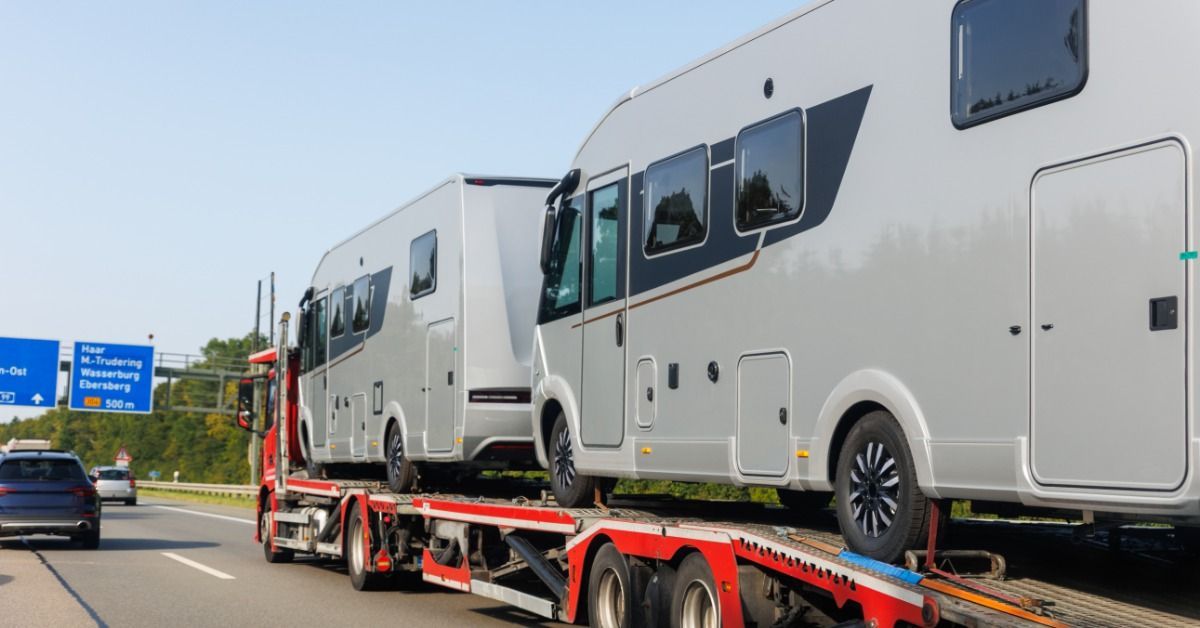
There are two main methods for RV transport. Selecting the wrong one can lead to unnecessary wear or logistical complications:
- Tow-Away Service: A specialized truck hitches to your RV or trailer and tows it to its destination. This option works best for travel trailers, fifth wheels, and motorhomes when minimizing added mileage.
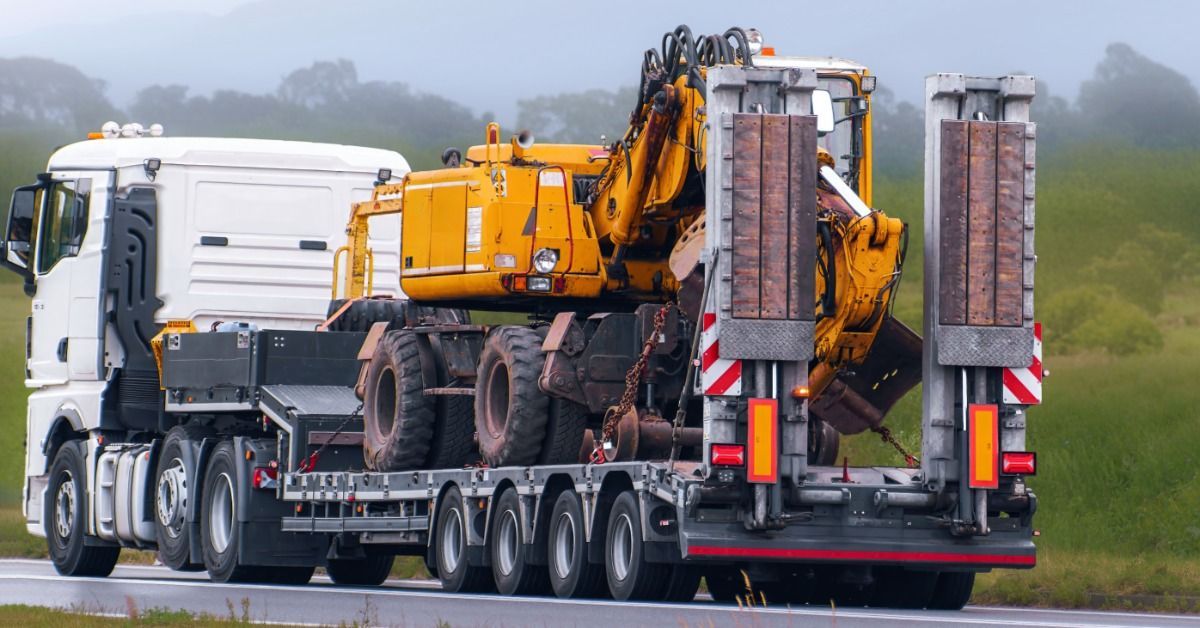
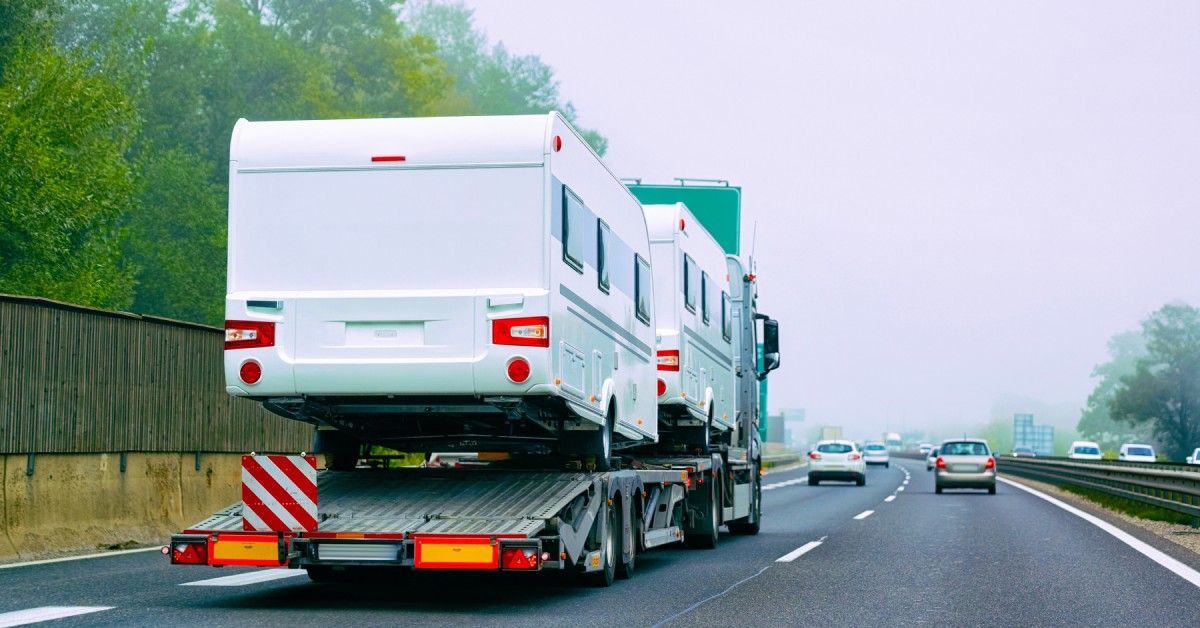
- Flatbed or Step-Deck Service: The RV is loaded onto a trailer, protecting its tires and mechanical systems from wear. This method is ideal for large, heavy, or inoperable units.
Discuss your RV’s condition and size with the transport provider before booking. A qualified carrier will recommend the most suitable method based on your needs to ensure both efficiency and safety.
Ignoring Seasonal Timing
Timing plays a major role in cost and scheduling. Summer is typically the busiest time for RV transport. With more people on the move, carriers book up fast and prices climb accordingly.
In contrast, winter shipments can encounter weather-related obstacles, such as snow, ice, or closed roads—especially across northern states. These conditions may require extra preparation or delay delivery. Planning your transport during spring or fall typically offers a more balanced mix of moderate pricing, good weather, and flexible scheduling options.
Not Checking Insurance Coverage
Misunderstandings about insurance can lead to major financial setbacks if damage occurs. Don’t assume your personal RV policy or the carrier’s basic liability coverage will fully protect your vehicle.
Request a copy of the carrier’s insurance certificate and confirm the coverage limits, deductible, and exclusions. Most companies offer minimal coverage that may not reflect your RV’s actual value. Consider purchasing supplemental insurance (either through the transporter or a third-party provider) for complete peace of mind during transit.
Poor Communication With the Carrier
Even with the best carrier, miscommunication can cause unnecessary stress. From booking to delivery, stay in regular contact and confirm every detail in writing. Provide accurate phone numbers and access instructions for both pickup and drop-off locations.
A professional company will offer updates throughout the journey and designate a primary contact person for consistency. Timely, clear communication prevents scheduling issues. This can help you anticipate arrival times and avoid extra fees tied to missed appointments or inaccessible delivery sites.
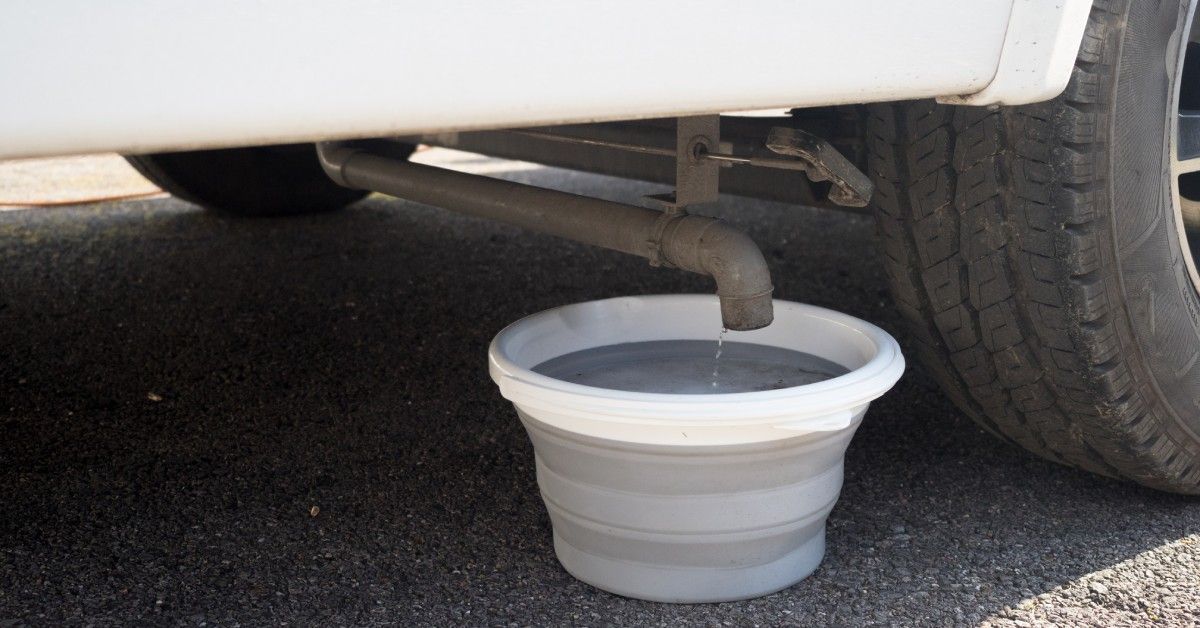
Disregarding Fluids and Propane Tanks
Proper fluid management is critical for both safety and compliance. Before shipping, empty all freshwater, graywater, and blackwater tanks completely. Propane tanks must be either removed or verified as empty, and fuel levels should be reduced to no more than one-quarter full to limit weight and fire risk. These precautions also reduce the strain on the transport vehicle and minimize environmental hazards.
A Partner You Can Trust
Shipping an RV involves many moving parts, and overlooking any one of them can create problems. By avoiding common mistakes people make when shipping RVs, you set the stage for a successful and damage-free journey. Taking the time to plan carefully ensures your home or vacation vehicle arrives ready for your next adventure.
Ready to move your RV with confidence? One Call Logistics’ experienced specialists handle every detail, providing licensed and insured transport for your peace of mind. Speak with our RV transport team to receive your detailed quote.