Why Licensing Matters in Equipment Transport

When your business invests in high-value equipment, you can’t afford to lose it. The task of moving this investment across hundreds of thousands of miles increases the stakes and risks. That’s why the decision to transport heavy machinery means considering more than just the logistics of loading and unloading the equipment.
You should consider protecting your assets by handling every step of the transport process with precision. Understanding why licensing matters in equipment transport is the first step toward a secure and successful shipment. When you know what’s at stake, you’ll want qualified professionals behind the wheel, safeguarding your equipment every mile of the journey.
What Licensing Means in Equipment Transport
In the context of equipment transport, a license is more than a piece of paper. It represents a carrier's official authorization from government bodies, such as the Department of Transportation (DOT), to operate commercially.
To obtain this, a company must demonstrate its competence and commitment to federal and state standards. This process involves proving financial responsibility, carrying adequate insurance, and passing rigorous safety audits. A license signifies that the carrier has met a baseline of operational requirements and is held accountable for its practices. It confirms the provider is a legitimate business entity recognized by regulatory authorities, not just an individual with a truck.
Safety First: Protecting People and Property
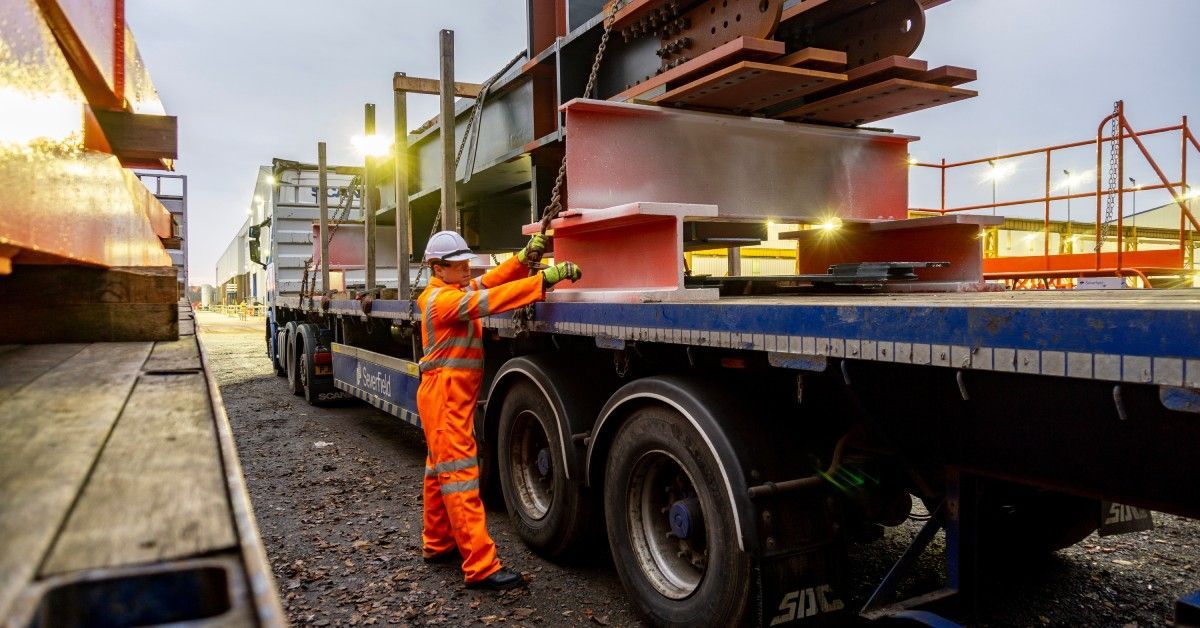
Safety is the cornerstone of licensed equipment transport. The regulations tied to licensing are specifically designed to protect everyone involved in the process. Licensed carriers must follow strict protocols for load securement, vehicle maintenance, and driver qualifications.
For example, drivers are often required to have a commercial driver's license (CDL) with specific endorsements for handling oversized or hazardous loads. These rules exist to prevent accidents caused by shifting cargo or driver error. By choosing a licensed provider, you are partnering with a company that is legally bound to prioritize safety and minimize road risks.
Legal Compliance and Avoiding Penalties
Operating without the proper authority can lead to severe legal and financial consequences. If an unlicensed carrier is stopped for an inspection, law enforcement can impound the vehicle and its cargo. This action results in significant project delays and unexpected costs to retrieve your equipment.
Furthermore, both the carrier and the shipper can face substantial fines for noncompliance. Federal and state agencies actively enforce these laws to maintain order and security within the transportation industry. Working with a licensed carrier eliminates this risk, as they operate within the legal framework governing the movement of goods on public highways.
Insurance and Liability Protection
A critical component of licensing is the requirement for carriers to maintain specific levels of insurance coverage. This includes liability insurance, which covers damages to others or their property in the event of an accident. Cargo insurance protects the value of the equipment being transported.
An unlicensed operator may not have adequate—or any—insurance, leaving your valuable asset unprotected. If an incident occurs, you could be left with the full financial burden of the loss. A licensed carrier provides proof of insurance, offering you peace of mind and a clear path for recourse should anything go wrong during transit.
Trust and Professionalism
A license serves as a verifiable mark of a carrier's professionalism and reliability. It shows that the company has invested effort in operating legitimately. This commitment signals a higher level of service and accountability.
Professionals in the heavy equipment transport industry understand the nuances of the job, from route planning to permit acquisition. They build their reputation on successful, compliant deliveries. Entrusting your equipment to a licensed provider means you are working with an established business that values its reputation and is dedicated to upholding industry standards, fostering a relationship built on trust.
Cost vs. Value: Why Licensing Saves Money Long-Term
While an unlicensed carrier might offer a lower initial quote, the potential for hidden costs and financial risk is substantially higher. The upfront cost of hiring a licensed provider includes the price of compliance, safety, and insurance (all of which protect your investment).
A less costly, unlicensed option could lead to expensive fines or project delays that far exceed any initial savings. Furthermore, in the case of an accident or damage, the lack of proper insurance with an unlicensed carrier could result in a total loss of your equipment's value. The higher price of a licensed carrier reflects greater value and comprehensive risk management.
State-to-State Considerations
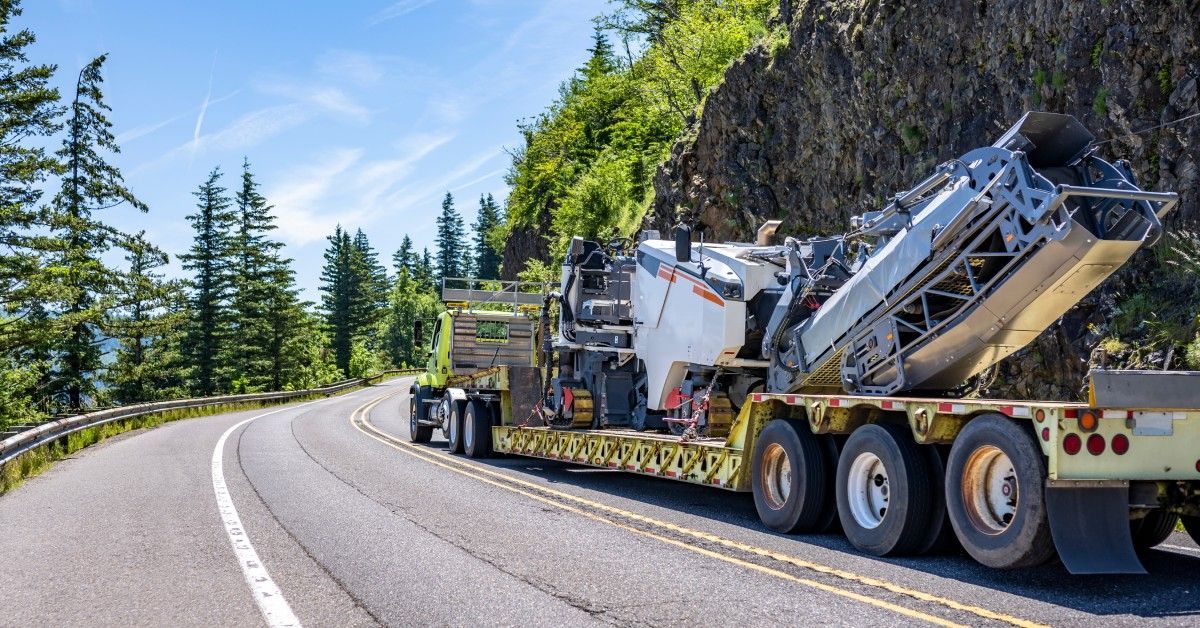
Transporting equipment across state lines introduces another layer of complexity, as regulations can vary from one state to another. Each state has its own rules regarding permits for oversized or overweight loads, designated travel times, and specific route requirements.
Licensed carriers are experienced in navigating this intricate regulatory landscape. They have the systems and expertise in place to secure all necessary permits and plan a route that complies with every state's laws along the way. This knowledge prevents costly delays at state borders and keeps your shipment moving efficiently and legally toward its destination.
Choosing the Right Licensed Transport Provider
When selecting a transport partner, start by verifying their credentials. Ask for their DOT and motor carrier (MC) numbers, which you can look up in the Federal Motor Carrier Safety Administration (FMCSA) database. This allows you to check their insurance coverage. You can also check their safety record and operating status.
Beyond these basics, inquire about their specific experience with your type of equipment. Look for a provider who communicates clearly and can walk you through their shipment process. A reputable, licensed company will be transparent about its qualifications and ready to answer your questions.
When you need reliability in heavy equipment transport, you should look deeper at your choice of carrier. The foundation of every successful move lies in the provider’s commitment to compliance and protection at every stage.
One Call Logistics stands ready as a fully licensed partner, equipped to handle your complex transport needs with precision and care. Experience firsthand why licensing matters in equipment transport by working with a team that puts your assets and peace of mind first; reach out to One Call Logistics today to schedule your next equipment move.