Enclosed vs Open Boat Transport: Which To Pick?
Moving a boat over the road looks simple until the first tight turn, low overpass, or unexpected storm shows up. When picking between enclosed and open boat transport , many owners compare cost, safety, and scheduling to find the right fit. The good news: once you understand how each method works, the right choice usually becomes clear. A few practical details tend to matter more than guesswork.
What Is Open Boat Transport?
How It Works
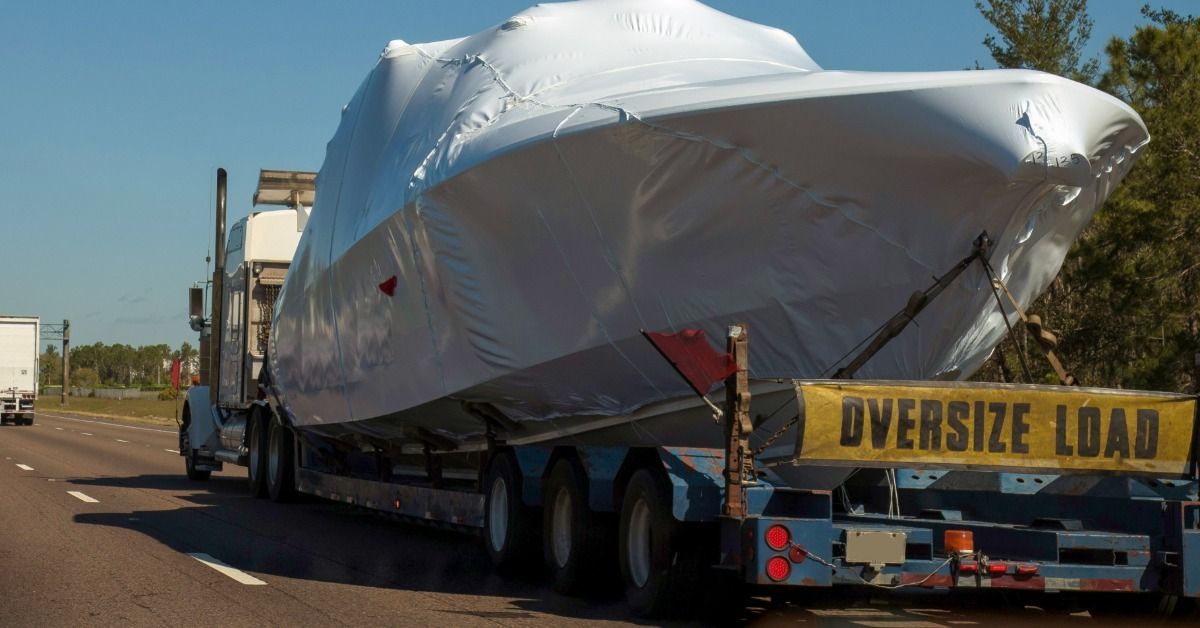
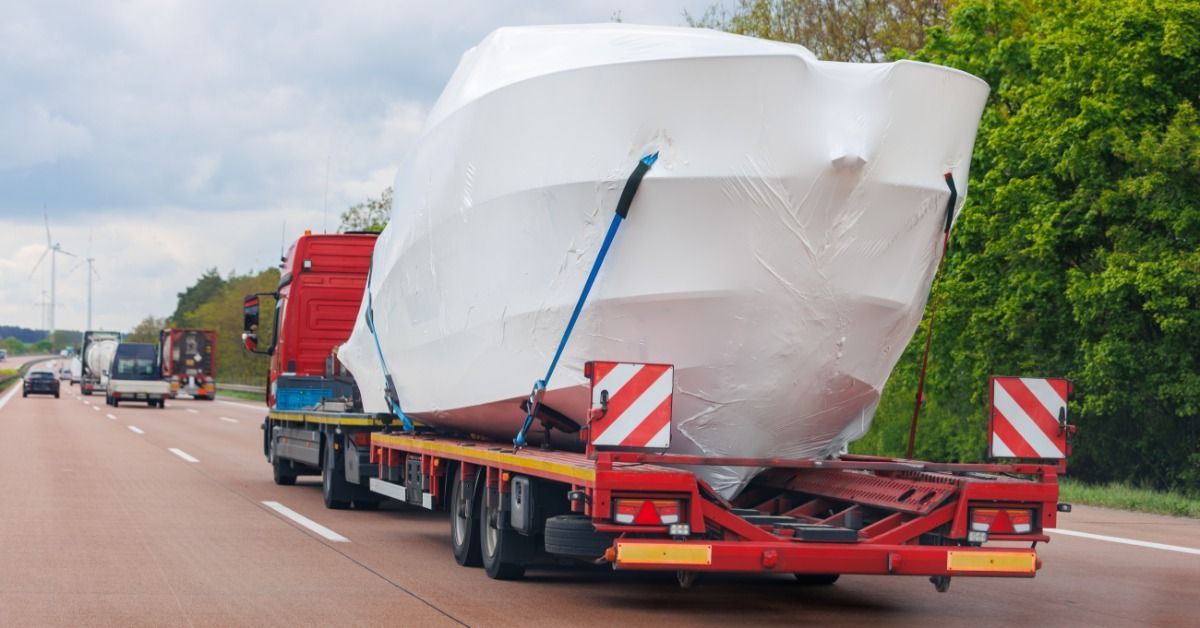
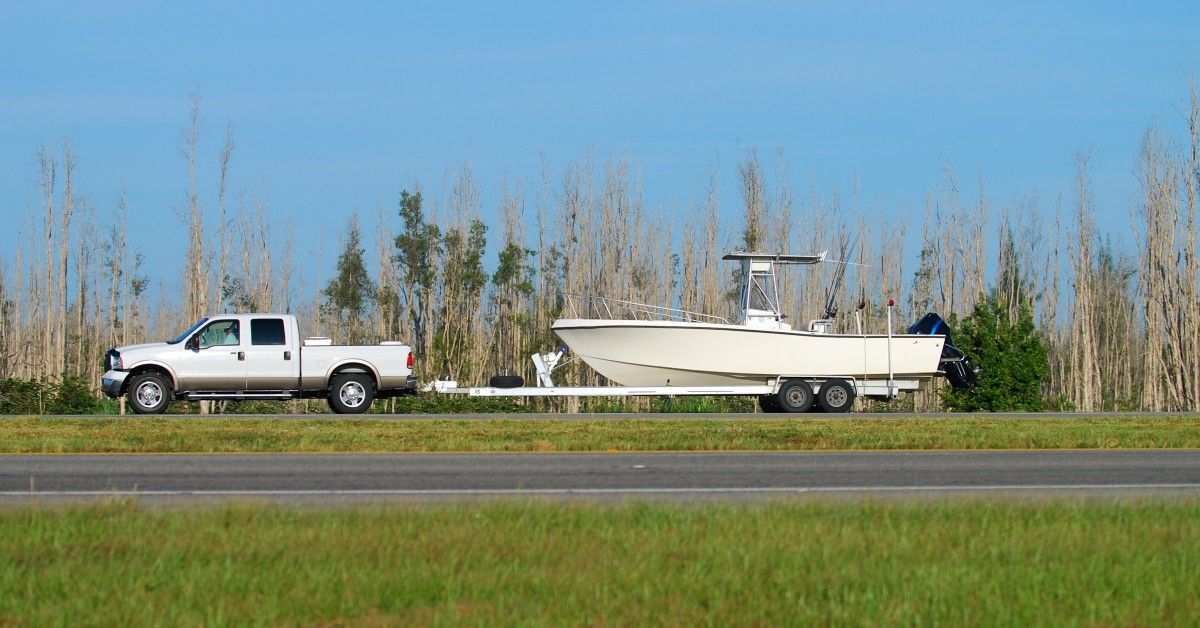
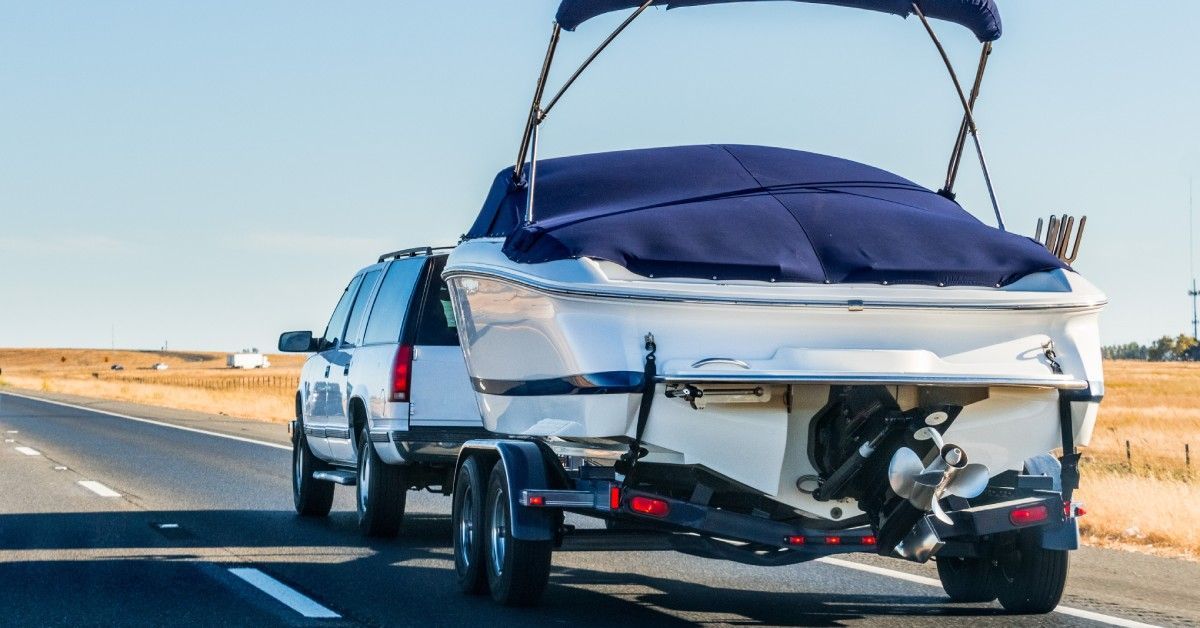
Open boat delivery is simple: it moves your boat on an open trailer. Depending on the boat, carriers may haul it on a bunk trailer, cradle system, or specialized boat transport trailer designed for balance and clearance. Prep usually includes removing loose gear, securing hatches, and confirming overall height and width for the planned route. Communication matters here, since accurate dimensions help prevent last-minute routing changes.
Pros of Open Transport
Open transport is the most common option for standard boat moves, and availability is better in many regions. Pricing is usually lower than enclosed hauling because equipment and handling requirements are simpler. Loading and unloading can be more straightforward, which may help with scheduling at marinas, storage yards, or residential driveways. For many owners, open transport hits the sweet spot between protection and budget.
Cons of Open Transport
Road debris, rain, and sun exposure are the biggest trade-offs with open hauling. Even with professional securing and smart routing, exposure risk remains higher than with an enclosed method. Longer trips increase the time your boat spends in changing conditions, which can be stressful for high-end finishes or delicate accessories. If discretion is important, open transport offers less privacy during stops.
What Is Enclosed Boat Transport?
How It Works
Enclosed boat transport places the boat inside an enclosed trailer or a container-style setup, depending on the boat's size and configuration. Enclosures are more common for smaller boats, personal watercraft, and certain high-value or specialty builds that fit within the trailer’s interior dimensions. Carriers plan loading angles, clearance, and tie-down points carefully because enclosed spaces can limit access once the boat is positioned. Extra planning up front leads to a smoother haul day.
Pros of Enclosed Transport
Protection is the main advantage, since the boat stays shielded from weather, road spray, and debris throughout transit. Enclosed hauling can also add privacy, which some owners prefer for rare, custom, or high-end boats. For sensitive finishes, fresh paint, or detailed wraps, an enclosure can help keep the exterior cleaner and reduce the chance of cosmetic issues. When the trip crosses multiple climates, consistent protection becomes even more valuable.
Cons of Enclosed Transport
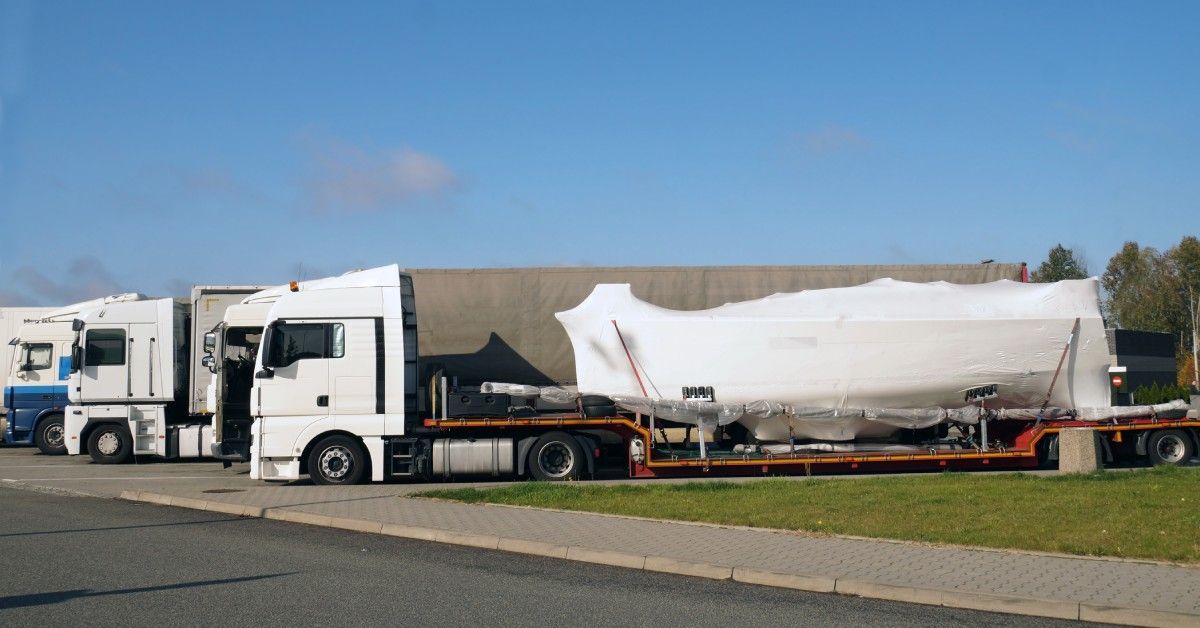
Costs are typically higher, and availability can be more limited because enclosed equipment is specialized and capacity is limited. Size constraints can rule out many boats that are taller, wider, or longer than the interior envelope allows. Loading can take longer, especially if the carrier needs additional clearance checks or equipment adjustments. In some cases, a partial alternative, such as protective shrink wrap, may be considered, although fit and route still drive the decision.
Safety Considerations for Both Methods
How Carriers Secure Boats
A safe haul starts with matching the right trailer and tie-down strategy to the hull shape and weight distribution. Carriers typically use rated straps, winches, and securement points that avoid damaging rub rails or stress points. Many also add bow and stern stabilization to reduce sway, then double-check tension after the first few miles. Good carriers plan for clearance, turns, and road conditions instead of relying on a “one-size-fits-all” approach.
Insurance and Liability
One Call Logistics works with licensed and insured carriers, which is an important baseline for professional transport. Because coverage terms and responsibility can vary by carrier and situation, the most helpful step is to request written documentation and ask how claims or damage reporting is handled. Keep photos of the boat’s condition at pickup, and confirm the inspection process at delivery. For anything complex, getting clarity in writing before dispatch prevents confusion later.
How Weather, Distance, and Route Impact Your Choice
Weather risk rises with time on the road, so longer distances can push some owners toward enclosed hauling or extra protective prep. Season matters too: winter road spray, spring storms, and summer heat can affect travel conditions and delivery cleanliness.
Routes with heavy construction or gravel corridors increase debris exposure for open transport, while mountainous routes can add planning constraints for both methods. When timing is tight, choosing the option with better availability on your lane may be the deciding factor.
Choosing the Right Transport Option for Your Situation
Start with fit: if the boat can’t physically fit in an enclosed trailer, the choice narrows quickly. Next, weigh how much exterior protection matters based on value, finish, and how “show-ready” you want it upon arrival. Then consider your timeline and pickup/delivery access, since tight neighborhoods and marina layouts can affect equipment choices. A logistics partner that coordinates details and schedules precisely helps reduce surprises, especially on cross-country moves.
What To Ask Your Transport Company Before Booking
Ask the carrier for its plan for the trailer type and loading approach for your specific hull. Request a clear timeline window and how updates will be provided during transit, especially if delivery timing is critical. Confirm what prep you should complete: removing loose gear, lowering towers, securing covers, and documenting existing condition. Finally, ask who to call for after-hours questions; 24/7 support can matter when pickups shift or weather changes along the route.
When you’re ready to schedule, One Call Logistics can match your boat with experienced, properly equipped carriers and coordinate pickup and delivery details nationwide.
Choosing a transport method should feel like a confident next step, not a complicated hurdle. When picking between enclosed and open boat transport , the goal is simply to choose the option that aligns with how much protection and peace of mind you want during the move. A straightforward process starts with a team that communicates clearly, schedules precisely, and treats your boat with care from pickup to delivery. One Call Logistics is here to help you line up the right carrier and keep the experience smooth from start to finish.