Why Boat Transport Requires Specialized Equipment
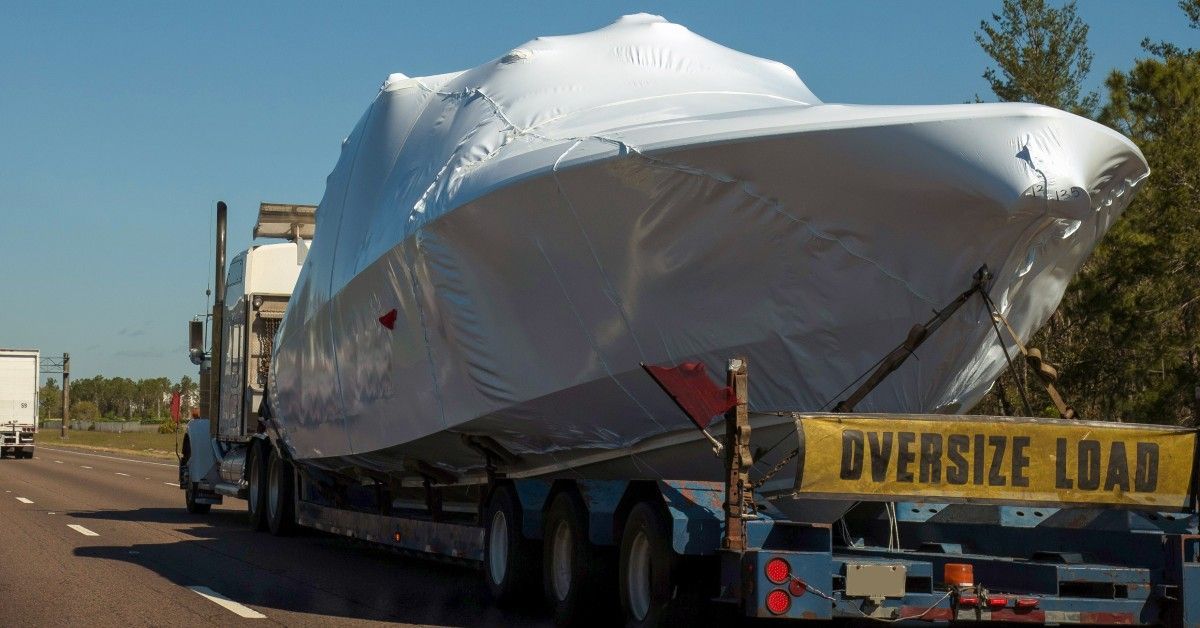
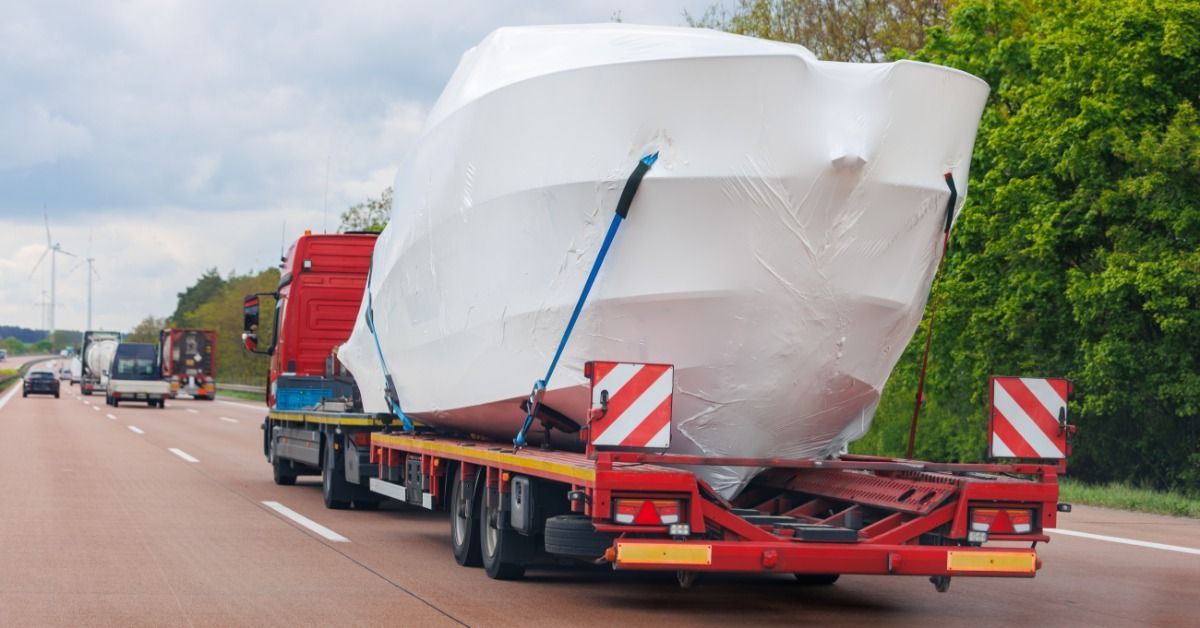
Moving a cherished possession, like a boat, across the state or country introduces unique logistical challenges. Unlike a car, a boat cannot simply be driven to its new destination. It requires careful planning and specific tools to move it safely and efficiently. One Call Logistics will explain why boat transport requires specialized equipment to help boat owners avoid unnecessary risk and disappointment. Curated know-how and purpose-built equipment protect your investment at every stage of the trip.
Boats Are Not Cars: Unique Transport Challenges
One of the most substantial hurdles in boat hauling is the fundamental design difference between a boat and a standard vehicle. Boats have irregular shapes, from the deep curve of the hull and the protrusion of a keel to the height of a mast.
This unique anatomy means they cannot rest on a conventional flatbed trailer. A boat’s hull isn’t meant to sit flat like a car’s tires; it needs cradling. Placing the vessel on a flat surface creates pressure points that can lead to structural damage, such as cracks in the fiberglass or scrapes on the delicate gel coat.
Furthermore, a boat’s weight is not distributed evenly. This imbalance, combined with its vulnerability to damage, creates serious shipping difficulties. The propellers, rudders, and other underwater components are particularly susceptible to harm if not properly protected. Transporting a boat safely demands equipment built specifically for its shape and weight.
Specialized Trailers and Cradles
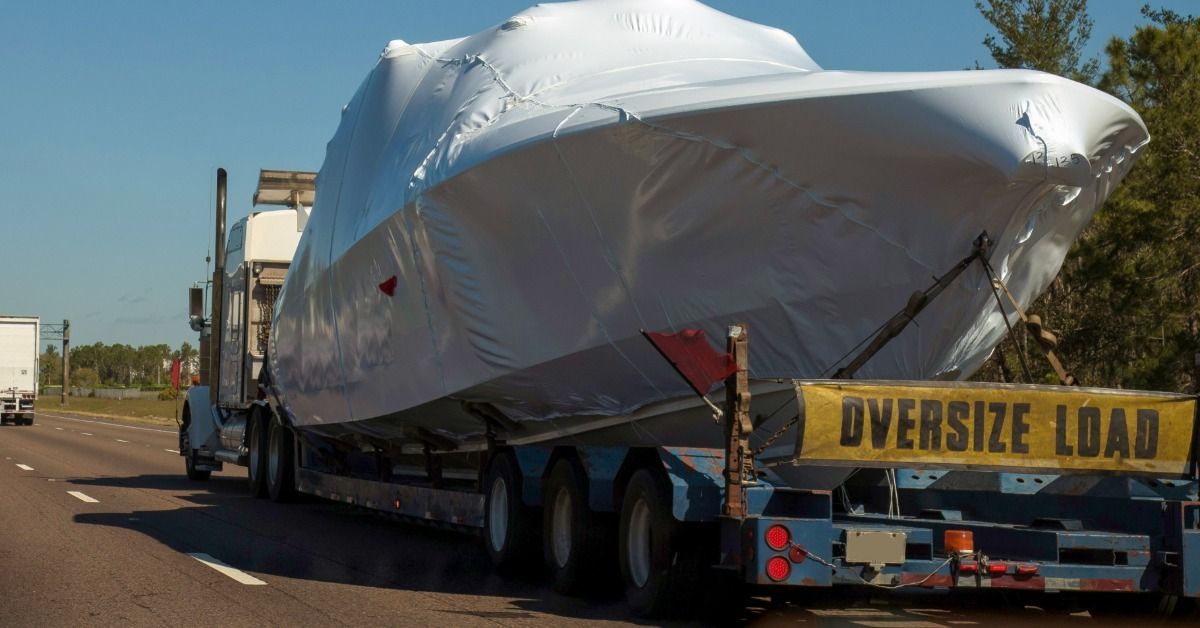
To address the challenges above, professional movers use a range of specialized equipment. The most critical pieces are hydraulic trailers, custom cradles, and adjustable support systems.
Hydraulic boat transport trailers can tilt and lower, allowing someone to load and unload the boat with minimal stress on its hull. These trailers often feature a series of adjustable pads and supports that can be configured to fit the exact contours of a specific boat. This feature helps distribute its weight evenly and prevents pressure points.
Custom-built cradles serve a similar purpose. The design of these frames is to securely hold a boat and match its hull shape. When lifting a boat onto a trailer, the cradle acts as a perfect-fit foundation, holding it steady throughout the journey.
This process makes the job convenient, but most of all, it protects your investment. By using specialized boat trailers and boat cradle equipment, transport companies safeguard the vessel against the vibrations and bumps of the road, which could otherwise cause costly damage.
Loading and Securing Boats Safely
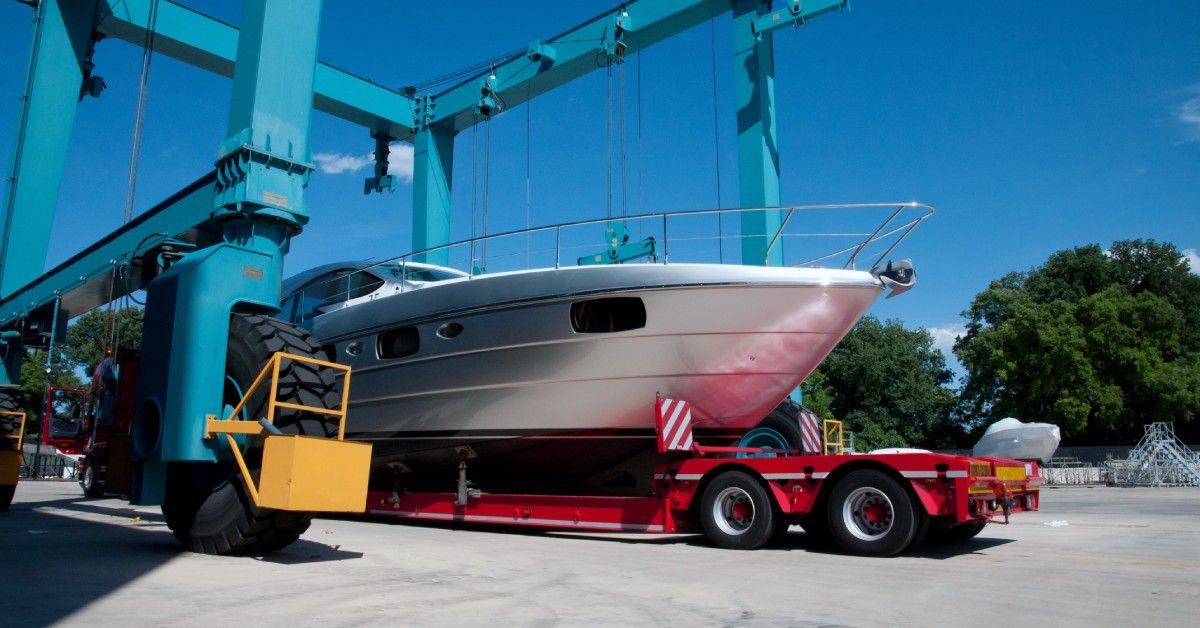
The process of getting a boat onto a trailer is as important as the transit itself. For larger vessels, this often involves using boat-loading equipment, such as cranes, operated by a trained professional. This machinery allows for a slow, controlled lift, placing the boat gently onto its custom cradle or supports without jarring impacts. Once loaded, the next step is securing it for the open road.
Secure boat transport involves more than just a few simple tie-downs. Professionals use heavy-duty, nonabrasive straps and place padding at key contact points to prevent chafing and scratches. They also focus on balancing the boat’s weight on the trailer to promote stability and safe handling at highway speeds.
This careful process is also a matter of compliance. The Department of Transportation (DOT) has strict regulations for securing large loads. Improperly secured boats can lead to hefty fines and accidents, reinforcing the need for DOT-compliant boat shipping practices.
Cross-Country Considerations
Moving a boat across the country introduces another layer of complexity. During a long-haul journey, a boat is exposed to a wide range of conditions. This ranges from constant road vibrations and changing weather to varying road conditions.
Professional movers plan for these realities. A key part of nationwide boat shipping is specialized route planning. This involves mapping a path that avoids low overpasses, narrow roads, or bridges with insufficient weight limits.
When your boat is traveling hundreds of miles, every bump in the asphalt matters. The right equipment is designed to absorb and dampen these impacts, protecting the hull and sensitive electronic components from damage.
Professional cross-country boat transport services monitor weather forecasts to protect the vessel from the elements. This foresight and preparation reflect an experienced transport partner and directly impact your boat’s condition upon arrival.
Why DIY Transport Is Risky
Considering the complexities, attempting to move a boat yourself can be a high-risk endeavor. Renting a standard flatbed trailer or using one not explicitly designed for marine vessels is a common mistake that can lead to disastrous consequences.
Without proper cradling and support, you risk severe hull damage, both minor and major. These are some of the primary reasons to avoid DIY boat hauling.
Moreover, insurance is a critical factor. Many personal auto or homeowner’s insurance policies will not cover damage that occurs when a boat is transported improperly. If an accident happens, you could be left with the full cost of repairs or even the total loss of your vessel.
Professional boat movers not only have the right equipment but also carry specialized cargo insurance. Going the route of a professional service is often the most cost-effective and secure choice in the long run.
How Professional Movers Protect Your Boat
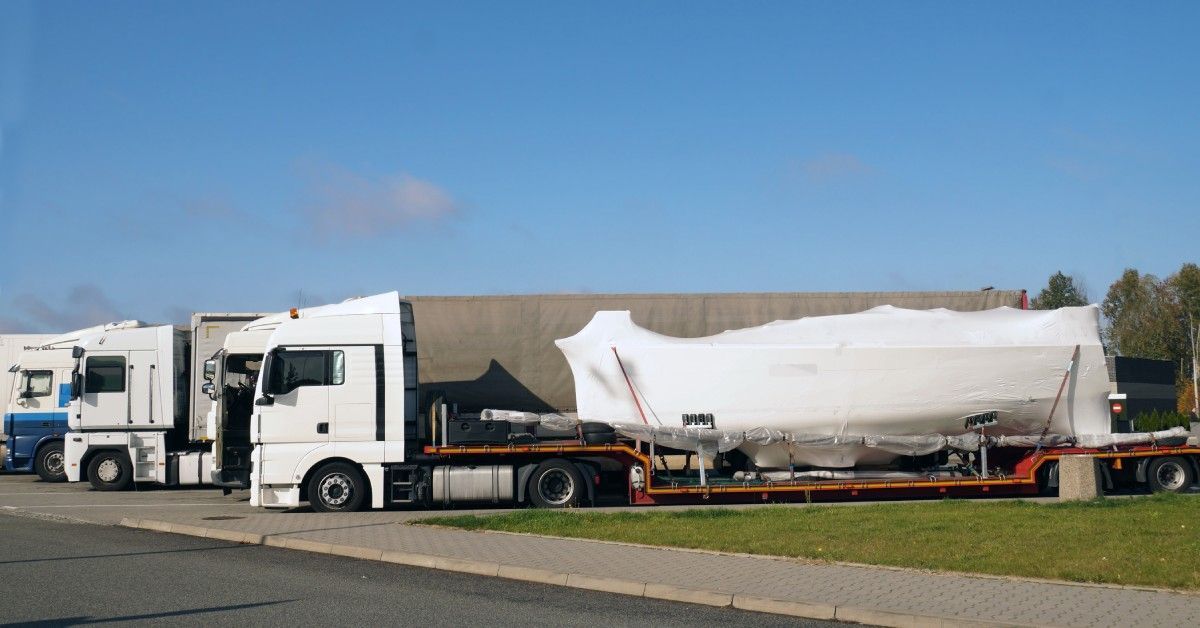
A trusted boat transport company offers peace of mind by combining expertise with the right tools. At One Call Logistics, we operate a fleet of specialized trailers and equipment for professional boat-hauling services.
Our experienced operators are thoroughly trained in handling vessels of all shapes and sizes, from loading and securing to final boat delivery. We understand the nuances of marine transport and manage every detail with precision.
Our commitment to safety includes comprehensive insurance coverage and strict adherence to all state and federal transport regulations. This means we protect your investment from the moment we pick it up until it reaches its new home.
Frequently Asked Questions (FAQ)
If you’re ready to enlist a professional hauling service for your vessel, here are quick answers to the most common questions we hear from boat owners preparing for transport.
How Should I Prepare My Boat for Transport?
Remove all personal items, electronics, and valuables. Drain water and fuel tanks as much as possible to reduce weight. Secure any loose items in the cabin and lock the doors. If possible, disconnect the batteries.
How Do I Provide Accurate Boat Measurements?
Measure the total length from the tip of the bow to the end of the stern. Measure the height from the bottom of the keel to the highest nonremovable point on the boat. Finally, measure the beam, which is the widest point of the boat.
Does My Boat Need To Be Winterized for Transport?
If your boat is being transported through or to a location with freezing temperatures, it should be properly winterized.
One Call Logistics knows how much your boat means to you, which is why we handle every project with the utmost care. We treat every boat like it’s our own. Choosing a professional mover is the definitive way to know why boat transport requires specialized equipment.
Ready to move your boat with confidence? Contact One Call Logistics today for a guaranteed quote and let our experts handle the heavy lifting.