4 Things To Know When Transporting a Container Home

Alongside tiny homes and RVs, container homes are compact, versatile spaces. They’ve redefined modern living, merging affordability and sustainability with design innovation.
However, transporting a container home requires more than just enthusiasm. Ensuring a smooth moving process begins with the expertise of movers who specialize in safely handling these structures.
Understand the Home’s Size and Weight Before Transportation
When addressing what to know when transporting a container home, size and weight are the primary considerations. Container homes vary in dimensions, influencing not only the type of transport equipment required but also the specific logistics involved. Whether you’re relocating a 20-foot or 40-foot unit, the size will determine how easy the home is to move and the potential challenges during transit.
When it comes to the container home’s weight, knowing the exact weight limits is necessary. The last thing you want is to attempt to drive on a road and exceed its weight limit. Proper calculations help prevent delays and ensure compliance with transportation guidelines.
Obtain Permits and Regulations
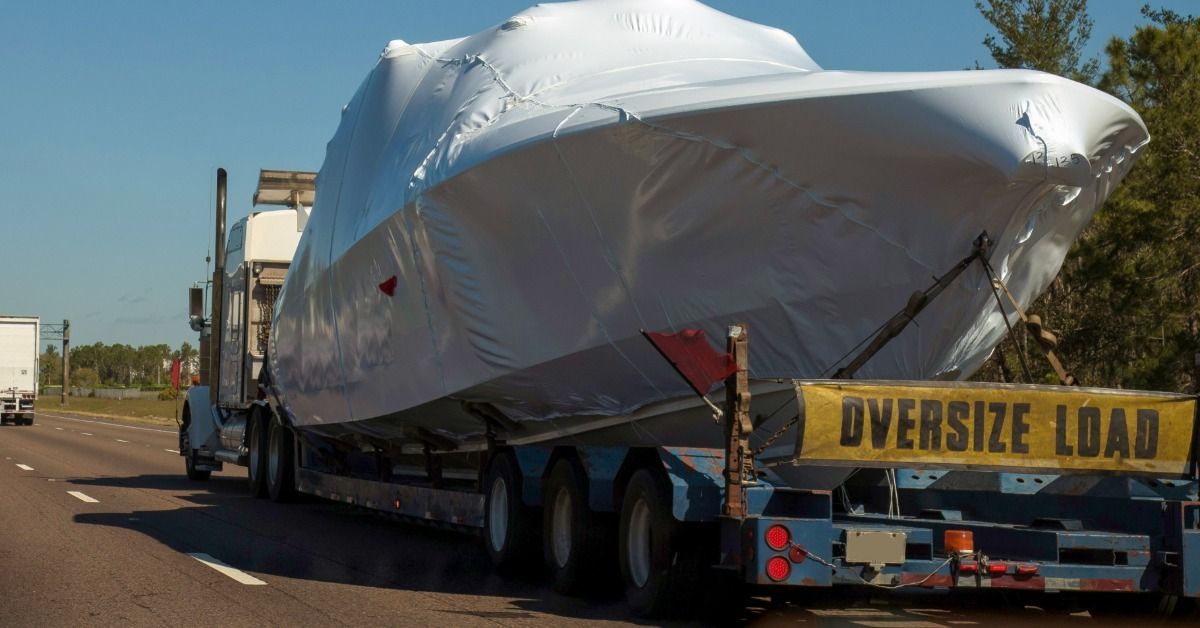
Moving a container home commonly necessitates permits, especially when crossing state lines or transporting through regulated zones. Obtaining the correct permits avoids costly penalties and ensures legal compliance.
Additionally, constraints like height, width, and road accessibility shape the route and timeline of the move. Researching and planning for these regulations early on prevents unexpected obstacles during the process.
Select the Appropriate Transport Equipment
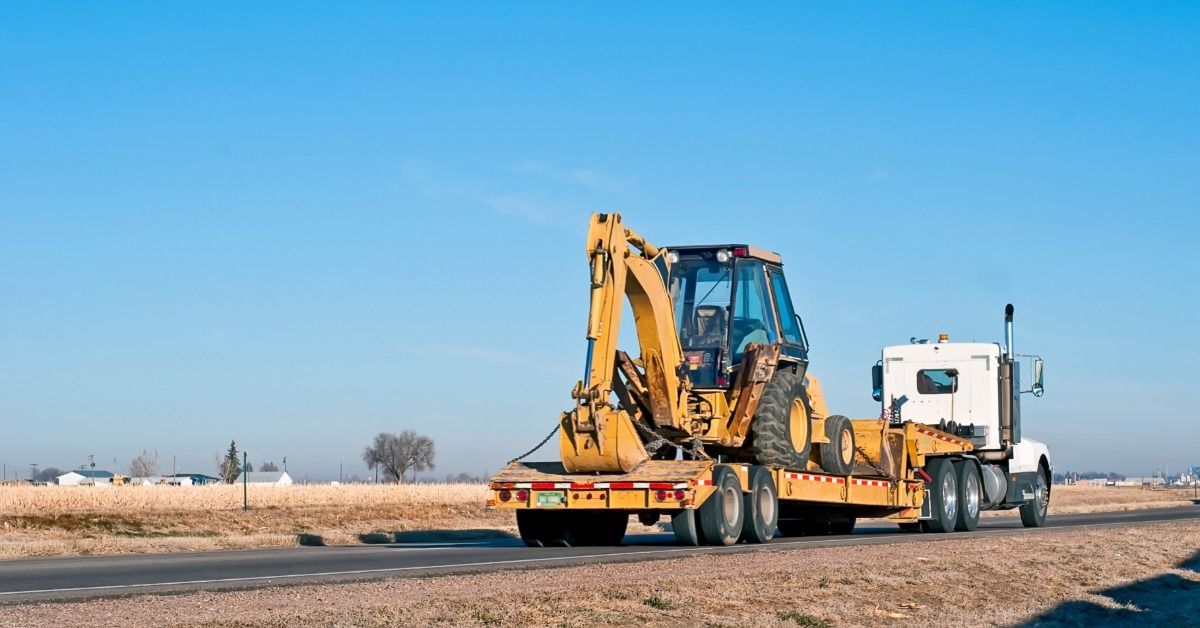
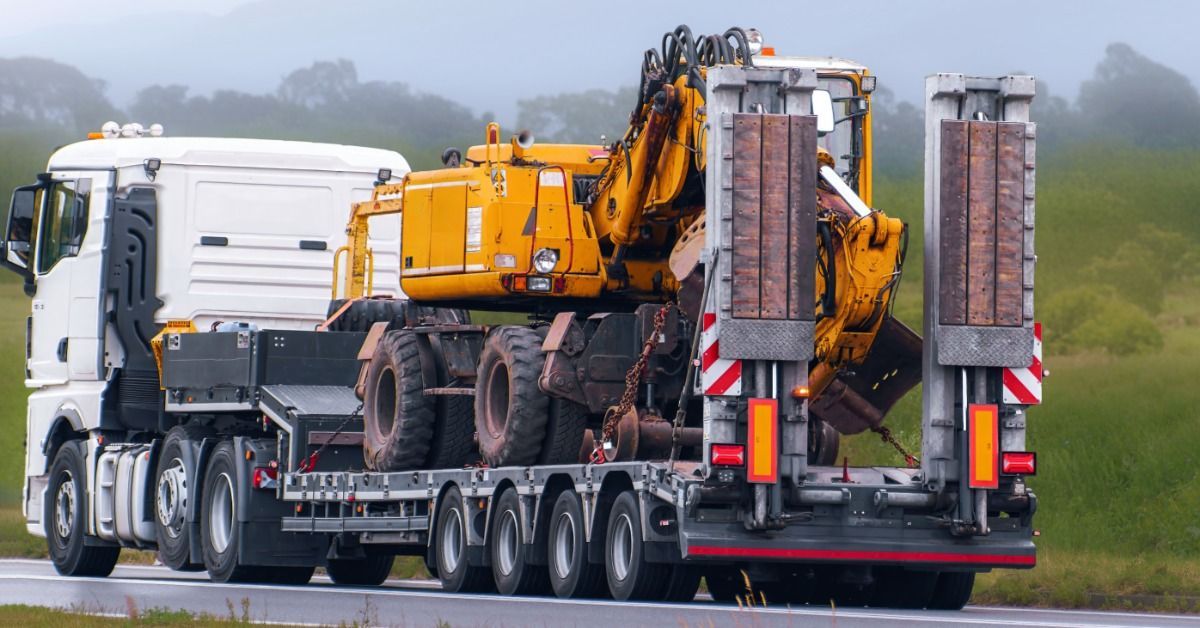
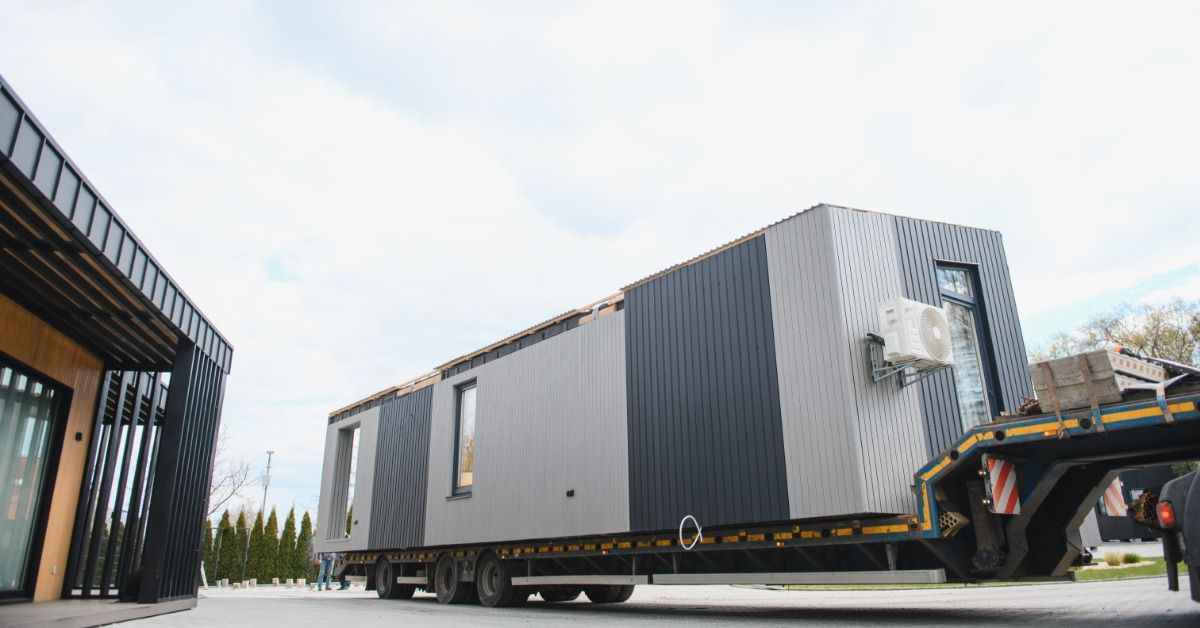
The next essential aspect of navigating container home transportation focuses on choosing the correct transport equipment. With options ranging from flatbed trucks to specialized trailers like lowboys, selecting the suitable vehicle depends on the container’s specifications.
Just as critical as equipment selection is ensuring proper securing techniques for the container home. Effective strapping, bracing, and padding prevent damage during movement, safeguarding the structure throughout the trip.
Hire Skilled Movers To Handle the Task
The final thing to know when transporting a container home is the importance of partnering with professionals. Choosing experienced tiny house moversensures meticulous attention to the complexities of transporting a large, heavy structure. The experts will anticipate potential challenges, saving you time and money.
Furthermore, insurance coverage provided by reputable movers is extremely valuable. It guarantees liability protection against potential damage or accidents during transport, offering peace of mind as your container home travels to its destination.
Seek Expert Guidance for a Seamless Move
Transporting a container home can be complex. However, by addressing size and weight considerations, securing necessary permits, selecting the best equipment, and relying on experienced professionals, your container home relocation can proceed efficiently and safely. For expert guidance and assistance, connect with reliable movers like One Call Logistics to ensure a seamless experience from start to finish.