The Complete Process of Equipment Transportation

Moving equipment is easy to underestimate until one missed detail starts affecting the entire job. In the complete process of equipment transportation, the real work begins well before loading day, when the right decisions still have time to shape the outcome. Customers who understand how the process unfolds can spot potential issues earlier and plan with far more control. Turn a complicated move into one that feels organized from the start.
Step One: Initial Consultation & Job Assessment
Every successful move starts with a detailed consultation. During that first conversation, the logistics provider gathers the core facts about the shipment, including equipment type, dimensions, weight, pickup location, destination, and preferred timeline.
That first conversation sets the direction for everything that follows. It helps the team understand whether any job-specific conditions could affect the move from the start.
A careful assessment brings early clarity to the customer. When the team thoroughly reviews the shipment at the beginning, they can plan with a clear understanding of the job and avoid preventable issues later.
Step Two: Selecting the Right Transport Method
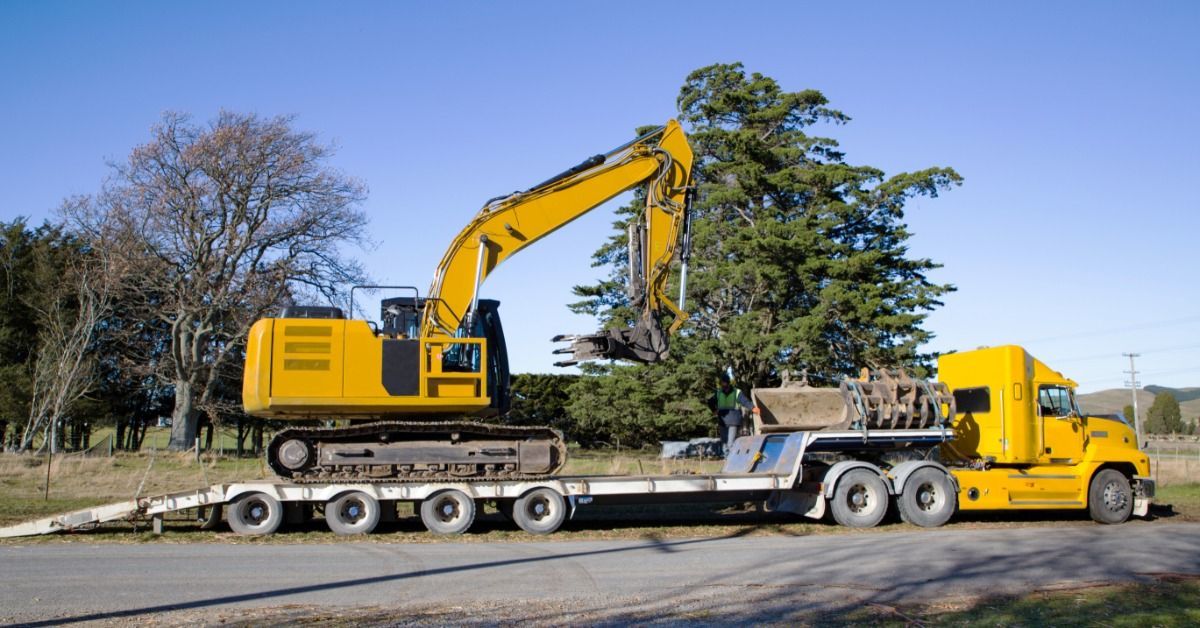
After confirming shipment details, the next step is to choose the transport method that best fits the equipment. The decision is based on how the machine will sit on the trailer and what kind of setup will move it most effectively.
Some equipment can travel on a standard trailer, while other machines require a specialized configuration. The right choice depends on the load’s overall profile and how much support it needs during the move.
This is where heavy equipment logistics starts taking shape in a very practical way. When the transport method matches the machine used at the beginning, teams can plan the rest of the move with far greater precision.
Step Three: Permits, Regulations & Compliance
After selecting the transport method, professionals must review the legal requirements. Oversize or overweight shipments may require permits, and those permits can vary by state and load dimensions.
Regulatory planning includes travel restrictions as well. Certain loads may face movement limits on weekends, holidays, at night, or during high-traffic periods, depending on the jurisdictions involved.
In some cases, additional compliance measures are needed before the trip begins. Things like an escort vehicle can all become part of the process, especially for larger or more complex shipments. Careful attention here protects the schedule and keeps the move aligned with transportation rules from start to finish.
Step Four: Route Planning & Risk Mitigation
A permit may authorize the move, but it does not guarantee that every mile of the trip will be suitable for the shipment. Route planning takes a closer view of the roads ahead so the team can choose a path that fits the equipment and the trailer.
The review looks at the realities of the route, not just the distance on a screen. A low bridge or a restricted roadway can change the plan long before transport begins.
Risk mitigation is the work of spotting those concerns early and adjusting before they disrupt the schedule. When the route is built with those conditions in mind, the move has a much better chance of staying steady from pickup through arrival.
Step Five: Preparing the Equipment for Transport
Preparation begins before the trailer ever reaches the site. At this stage, the goal is to ensure the equipment is physically ready to move and that nothing at pickup slows the process.
What that looks like depends on the machine itself. Some units need minor adjustments before transport, while others require more extensive prep depending on their condition and attachments.
Clear expectations make this stage much easier for everyone involved. When the equipment is properly prepared in advance, the handoff at pickup is smoother, and the move can begin with fewer complications.
Step Six: Loading, Securement & Safety Protocols
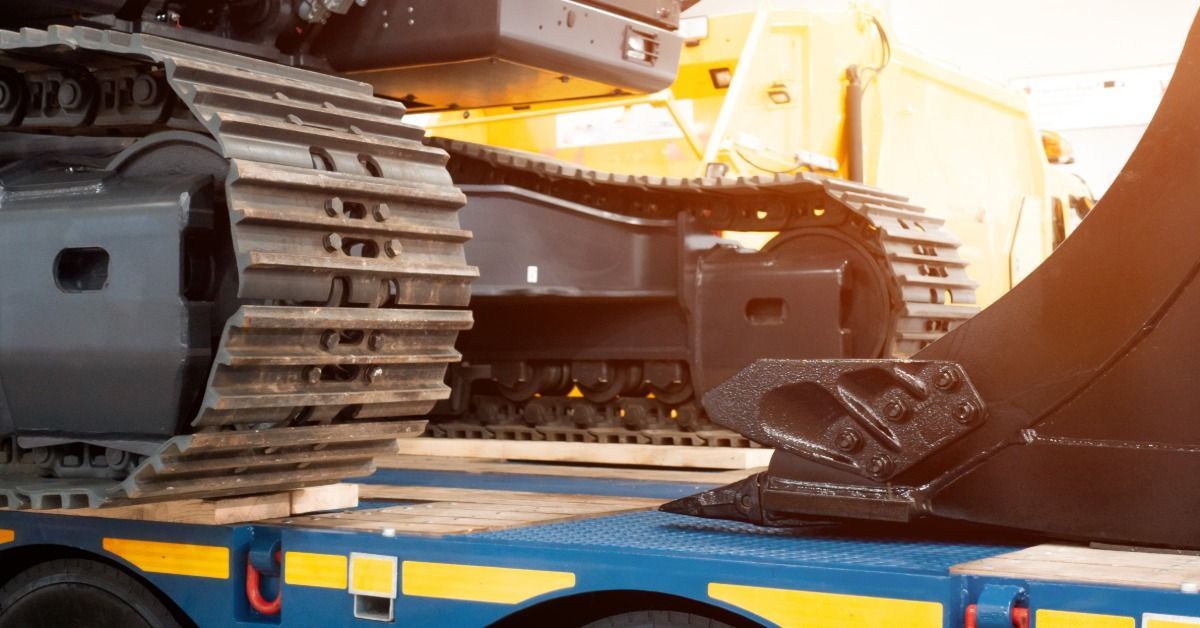
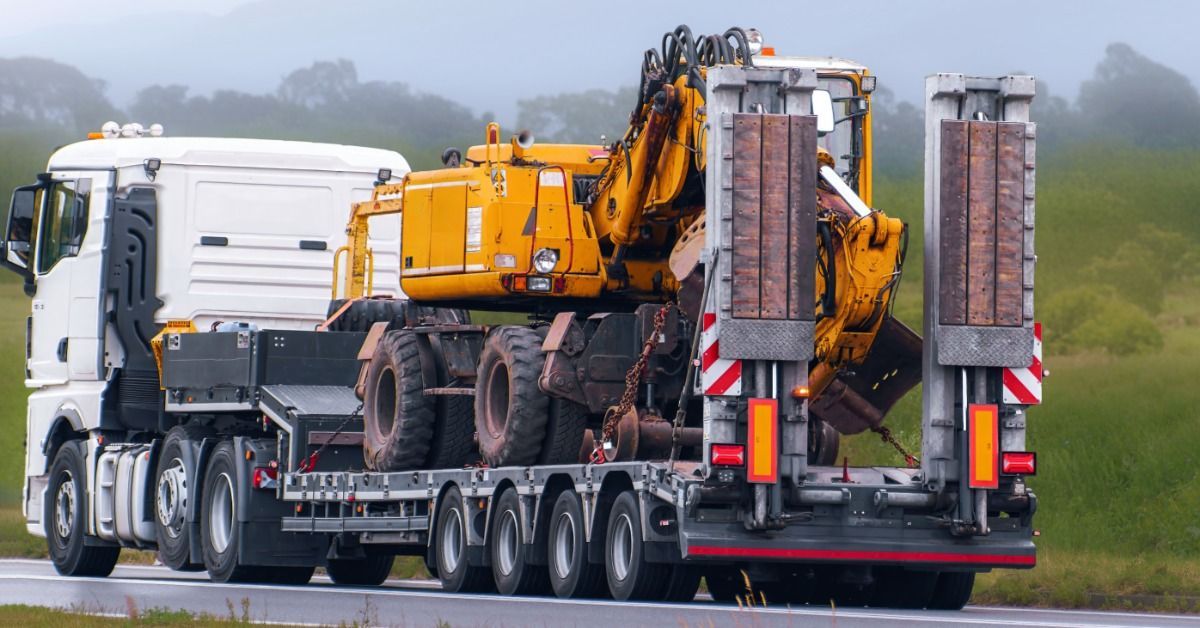
Loading is one of the most precise stages of the move. At this point, proper equipment positioning ensures a stable ride and gives the transport team better control over how the load travels.
Once the machine is on the trailer, securement becomes the focus. The team then anchors the equipment to keep it steady during normal road movement.
Safety protocols shape the work from beginning to end. Careful execution at this stage creates a stronger foundation for the rest of the trip and protects the equipment.
Step Seven: Transport Execution & Real-Time Communication
Once the shipment is in motion, visibility matters. Customers need a clear sense of how the move is progressing so they can stay aligned with the timeline and avoid unnecessary uncertainty while the equipment is en route.
This is where active coordination becomes especially important. A strong logistics provider shares relevant updates as conditions develop during transit.
Strong communication helps the receiving side stay prepared. When the customer knows what is happening in real time, it becomes much easier to plan for arrival and keep the next phase of the job moving forward.
Step Eight: Delivery, Unloading & Final Inspection
Delivery is more than the final stop on the route. The unloading area must be suitable for the trailer and any equipment needed to offload safely.
Conditions at the destination can affect the final steps. Soft ground, overhead obstructions, limited turn space, or active work zones may require a different unloading sequence than originally expected.
After unloading, a final inspection helps confirm that the shipment was completed as planned. Customers can compare the equipment’s condition and ensure the machine is in the correct position before the transport is considered complete.
Why Working With an Experienced National Logistics Provider Matters
An experienced national logistics provider brings consistency to a move that can easily become fragmented. When one team can manage the shipment across regions and changing requirements, the process feels more unified and easier for the customer to navigate.
One Call Logistics delivers that national support with the focus and professionalism customers need for specialized moves. We understand how to guide equipment shipments from the earliest planning stage through final delivery, giving customers a dependable partner for complex transportation needs.
A well-managed move starts long before the equipment is on the road and depends on careful decisions from the outset. By the end of the complete process of equipment transportation, what matters most is working with a provider that knows how to keep the job moving in the right direction. Contact One Call Logistics for experienced support that helps your equipment move start with a stronger plan and finish with greater confidence.