How To Prepare Heavy Equipment for Safe Transport
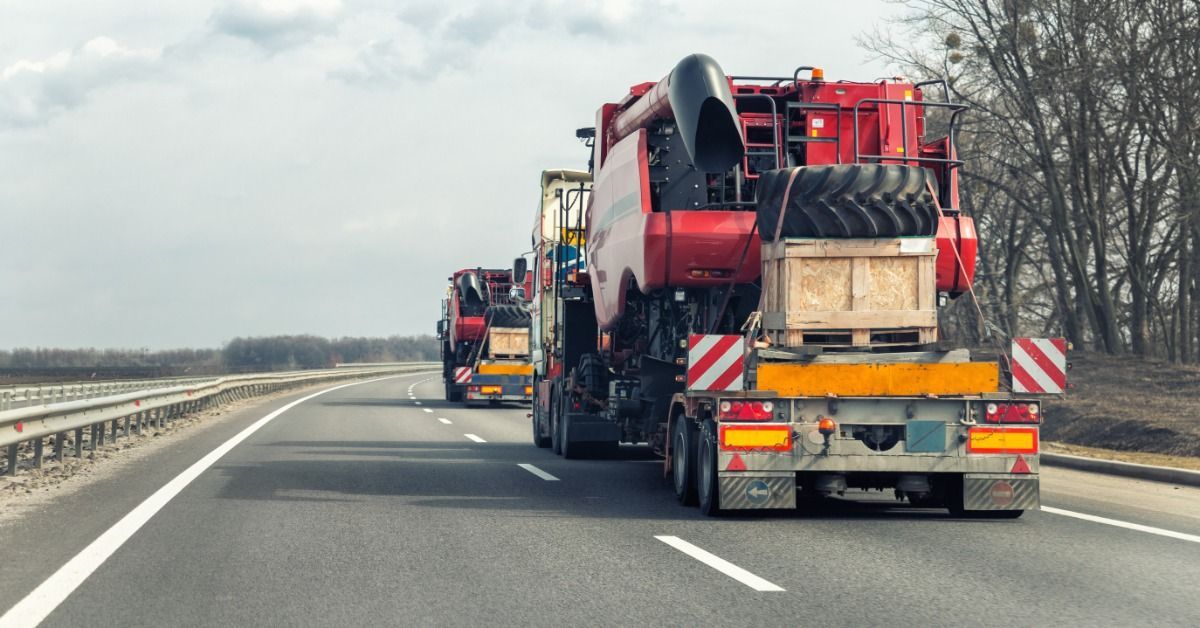
Heavy equipment does not leave much room for guesswork once a move is on the calendar. Teams that prepare heavy equipment for safe transport as early as possible can avoid preventable setbacks that affect timing and job site coordination. A strong start gives every part of the move more clarity, from the first inspection to the moment the crew loads the equipment. When the preparation is handled correctly, the entire transport process feels more controlled and far less stressful.
Start With the Manufacturer’s Guidelines
The first step is reviewing the operator manual and transport recommendations for the exact make and model. Manufacturers will outline approved lift points, tie-down locations, shutdown procedures, and limits for moving the machine with attachments installed.
Heavy equipment transport goes more smoothly when those instructions guide every decision from the start. You wouldn’t want to damage sensitive systems before the machine even makes it on the road. Therefore, guidance from the manufacturer is essential. When the manual is unavailable, contact the dealer or equipment representative before setting the move in motion.
Conduct a Full Pretransport Inspection
A pretransport inspection should focus on readiness for movement. Walk around the equipment and check the frame, glass, steps, handrails, tires or tracks, hydraulic lines, lights, mirrors, and visible components for damage or wear. Look for leaks, cracked fittings, loose hardware, or signs that a part could shift during loading.
Interior controls deserve attention as well, especially if you must drive the machine onto the trailer. Inspection notes create a useful baseline before the trip begins. Clear records separate existing damage from anything that may need attention after delivery.
Clean the Equipment To Improve Safety and Visibility
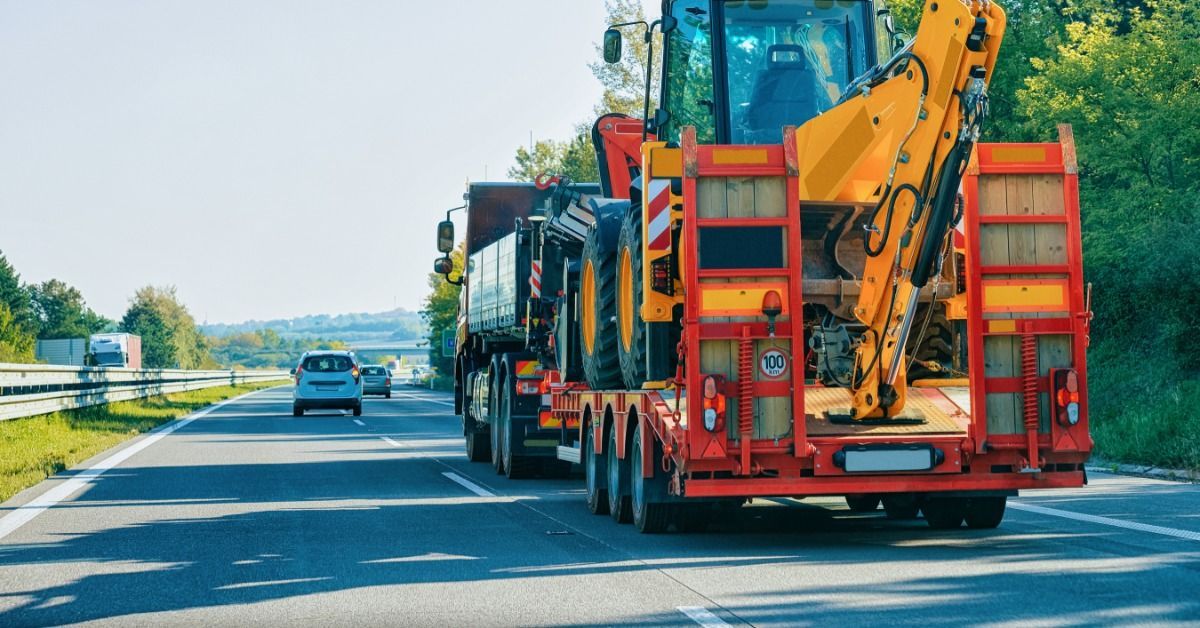
Packed debris can hide issues that matter during transport. A clean machine allows the driver and receiving team to see any visible wear more clearly. Don’t forget the hard-to-reach places like the undercarriage.
When the crew can spot obstructions before moving the machine, it provides better visibility and safer loading. A cleaner unit also makes pre-move photos more useful when documenting the equipment’s condition.
Secure or Remove All Attachments and Loose Components
Attachments and removable parts can change how you should secure a machine. These attachments include, but are not limited to, buckets, augers, and toolboxes. Ensure you’re evaluating these accessories before transport day. You may need to ship some items separately based on size and stability.
Small loose components inside storage compartments should be removed or securely fastened so they do not shift in transit. Exposed pieces on the outside also need protection. Careful handling here prevents surprises that can slow loading or create unnecessary risk on the road.
Prepare the Equipment Mechanically
Mechanical preparation should focus on making the machine safe to move and safe to load. Double-check battery condition and confirm the parking brake works correctly. If you need to drive the equipment after transport, make sure the steering and basic controls respond as expected.
Fluid levels should be checked per the manufacturer's guidance, and any visible leaks should be addressed before pickup. You may need to adjust fuel levels, depending on the carrier’s instructions and the type of equipment being shipped.
Measure and Document Dimensions and Weight Accurately
Accurate measurements affect different aspects of the transport process. Record overall length, width, height, operating weight, and any dimensions that change when attachments are installed or removed.
It is important to measure from the equipment in its true transport position, not its working position on a job site. Small errors can create major planning problems when scheduling the transport truck. Pair written records with current photos from multiple angles. Good documentation helps the carrier match the right trailer and verify whether escorts or route restrictions may apply.
Prepare the Transport Route and Required Permits
Route planning should begin well before the truck arrives. Pickup and delivery locations need enough space for a trailer to enter, load, turn, and exit without getting blocked. Road restrictions between those locations matter too, especially for oversized loads.
Some moves require permits that depend on exact dimensions and the states involved. Timing can also affect the route because certain areas restrict oversized travel during specific hours, holidays, or in inclement weather. Early planning helps prevent last-minute changes that disrupt the move.
Loading and Securing the Equipment Safely
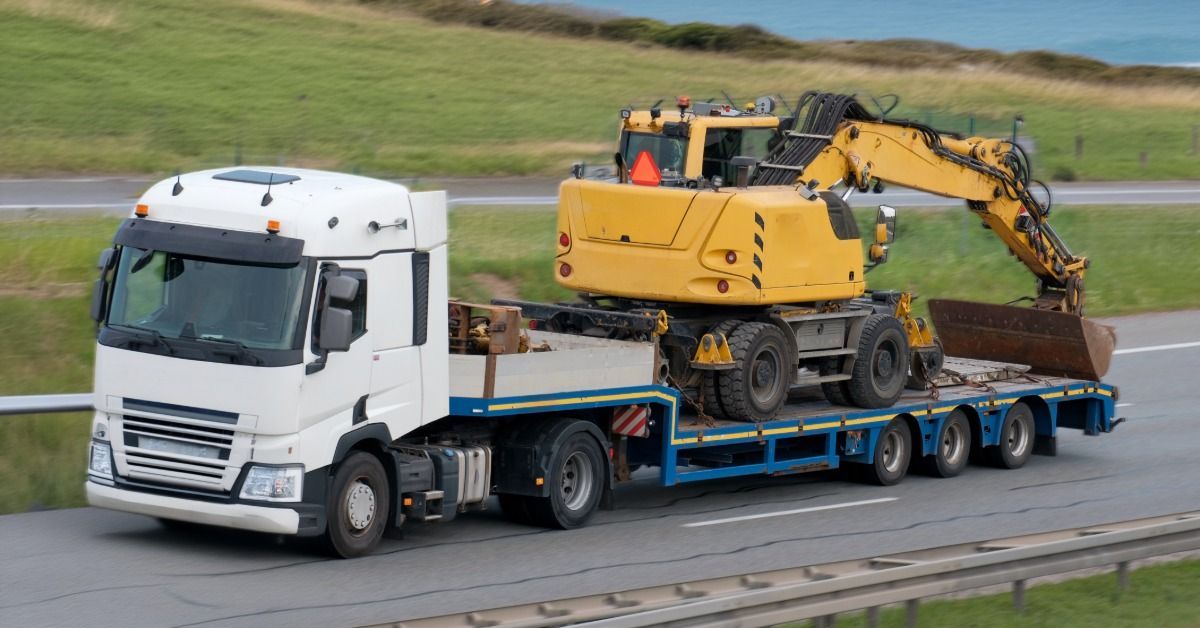
Loading day is when preparation becomes visible. The trailer must be positioned on stable ground, and the machine should approach at a controlled pace with a clear path and trained personnel nearby.
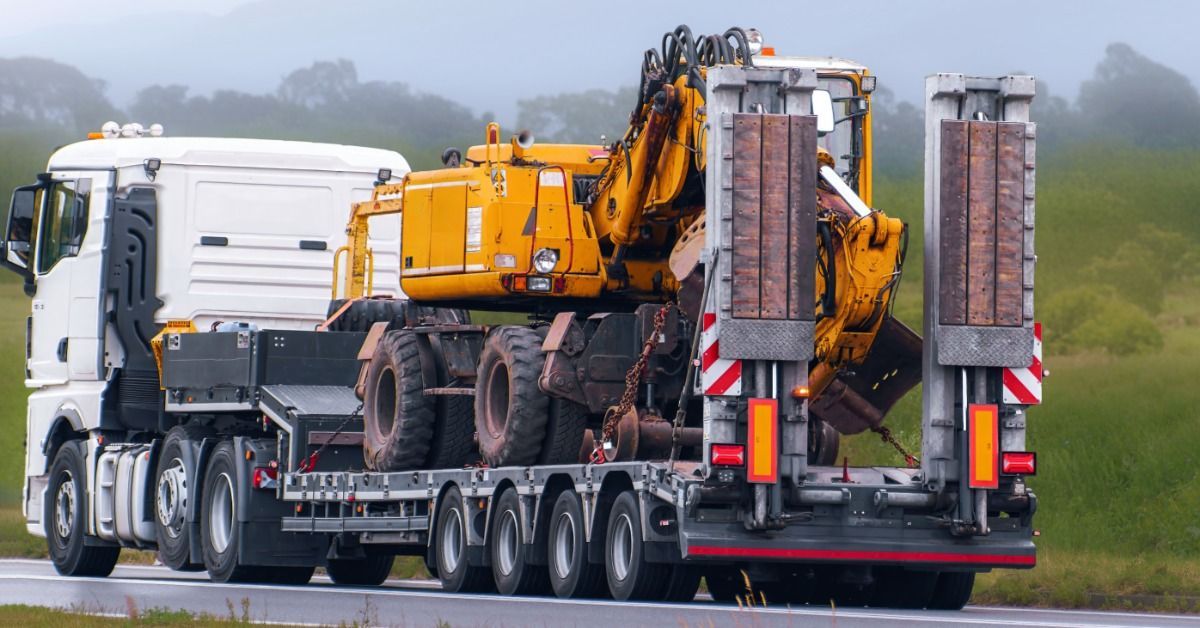
The loading technique needs close attention before the equipment settles into place. Once loaded, the carrier should use the proper number of securement points and blocking methods for the machine-and-trailer combination. A final check before departure helps confirm the load is balanced and restrained for the road.
Insurance, Liability, and Documentation
This part of the process should stay practical and organized. Confirm who is responsible for pickup coordination and things like inspection signoff before even starting the transport. Keep documentation such as inspection notes, equipment photos, and contact information in one place.
It is also wise to review the carrier’s licensing and standard transport documents so responsibilities are clear before the machine moves. Clean documentation supports smoother communication if schedules shift or site conditions create delays. Good records avoid confusion when the equipment reaches its destination.
Why Working With a Professional Transport Company Matters
Heavy equipment moves can quickly become complicated when timing and equipment requirements must align. A professional transport partner brings structure to that process by managing the details with the level of care the shipment requires.
One Call Logistics is the best kind of support because we understand how to coordinate specialized moves with clear communication and experienced carriers. When you work with the right team, the transport process feels more dependable and much easier to manage from pickup through delivery.
Careful planning creates better outcomes long before the truck pulls in. Teams that prepare heavy equipment for safe transport give carriers the information and access they need to move the load with fewer disruptions. Every step, from inspection to measurements to loading readiness, plays a direct role in safety and scheduling. When the details are handled early and the right transport partner is involved, the move has a stronger foundation from pickup through delivery.