What To Expect From a National Transport Job

Moving an asset across the country involves more than booking a driver and waiting for delivery. The process includes quoting, scheduling, preparation, transit coordination, and final inspection at drop-off. Knowing what to expect from a national transport job helps customers ask better questions and understand how a professional company manages each stage. When the process is explained clearly, national transport feels far more organized and far less uncertain.
Understanding What “National Transport” Really Means
National transport refers to moving an asset over a long distance, typically across multiple states, using equipment that matches the shipment’s size and route requirements. Unlike short local moves, these jobs involve more planning around distance and driver coordination.
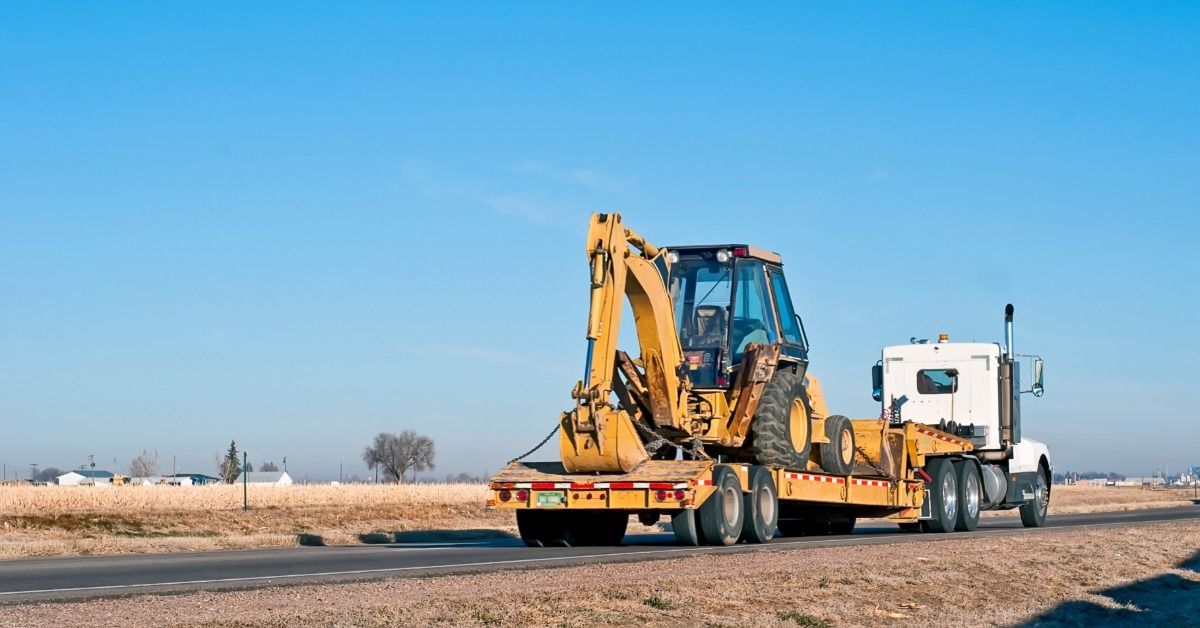
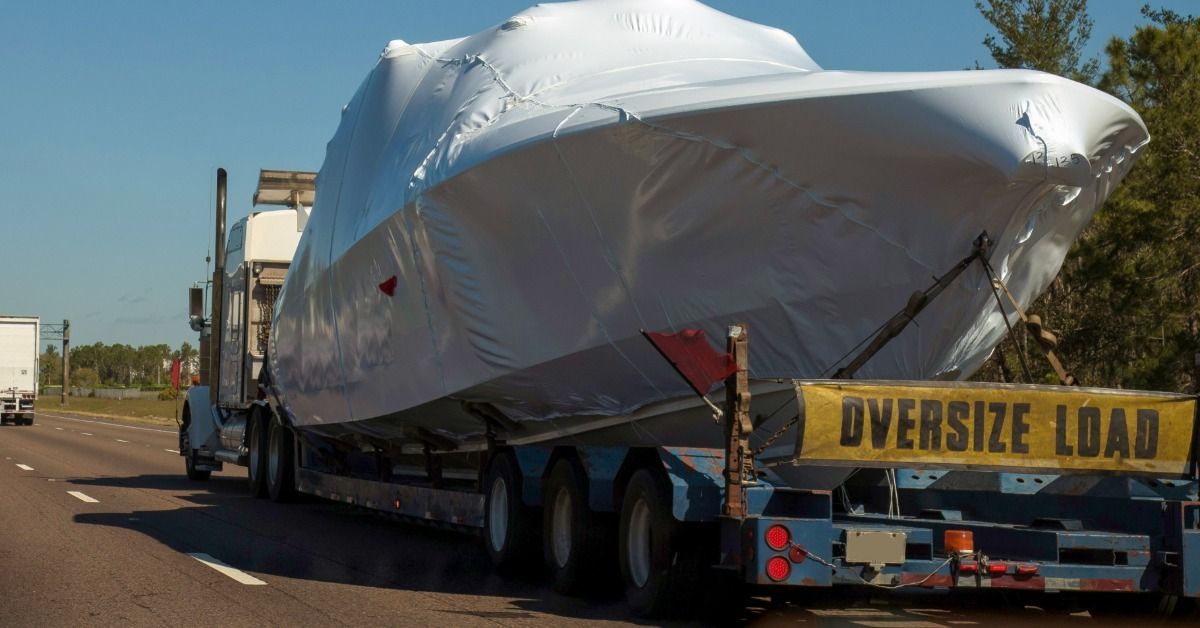
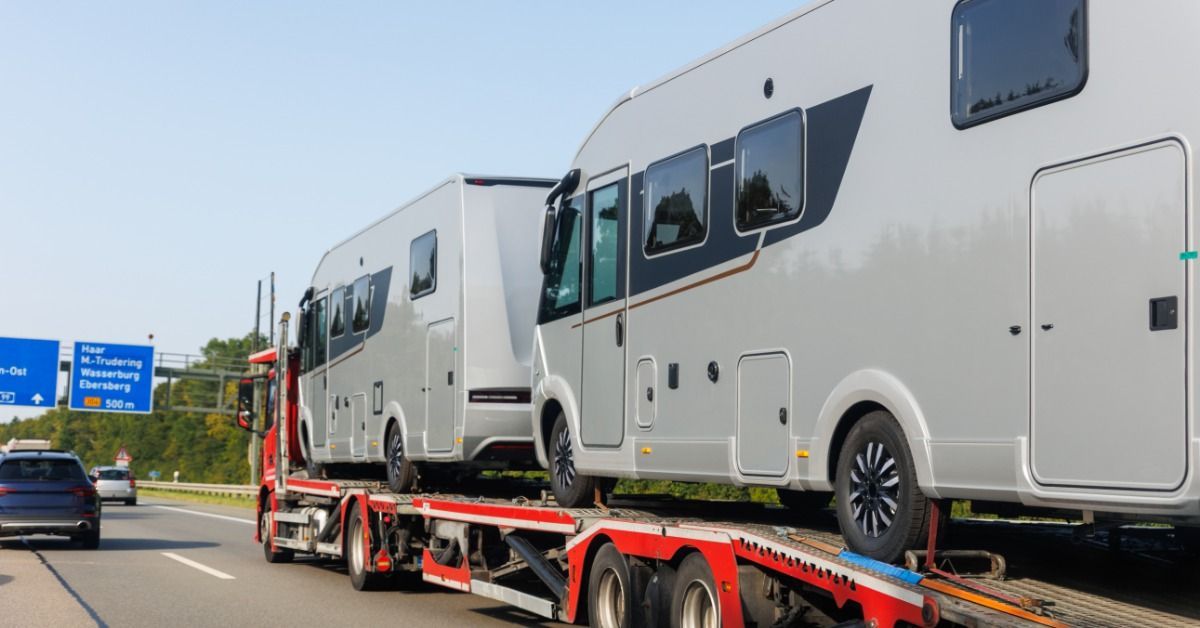
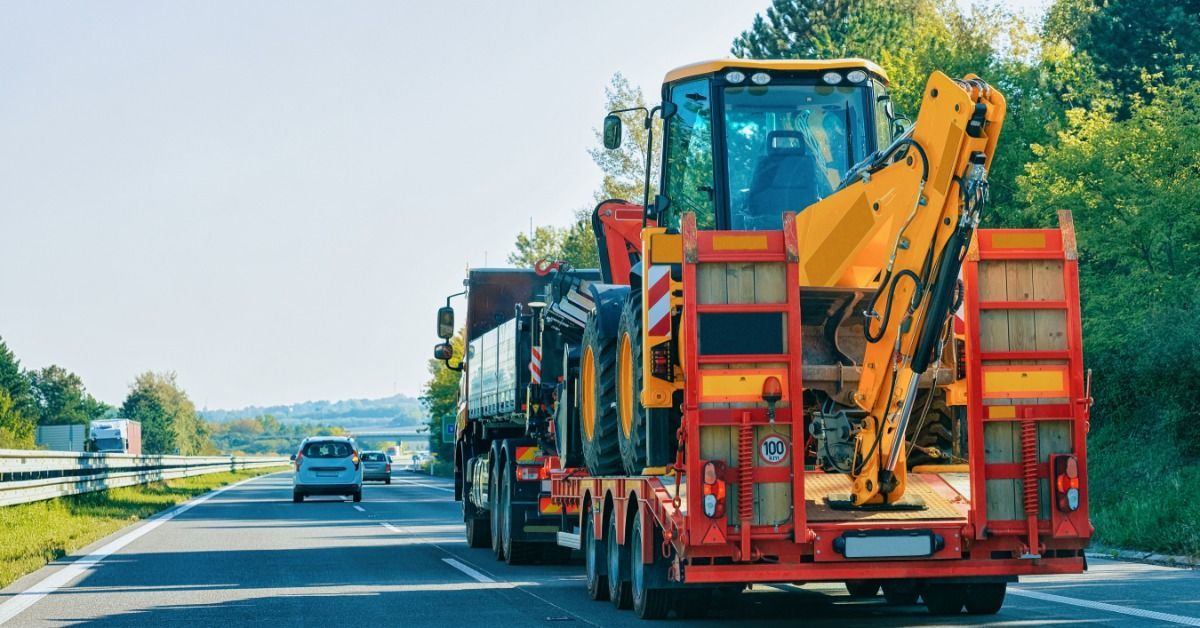
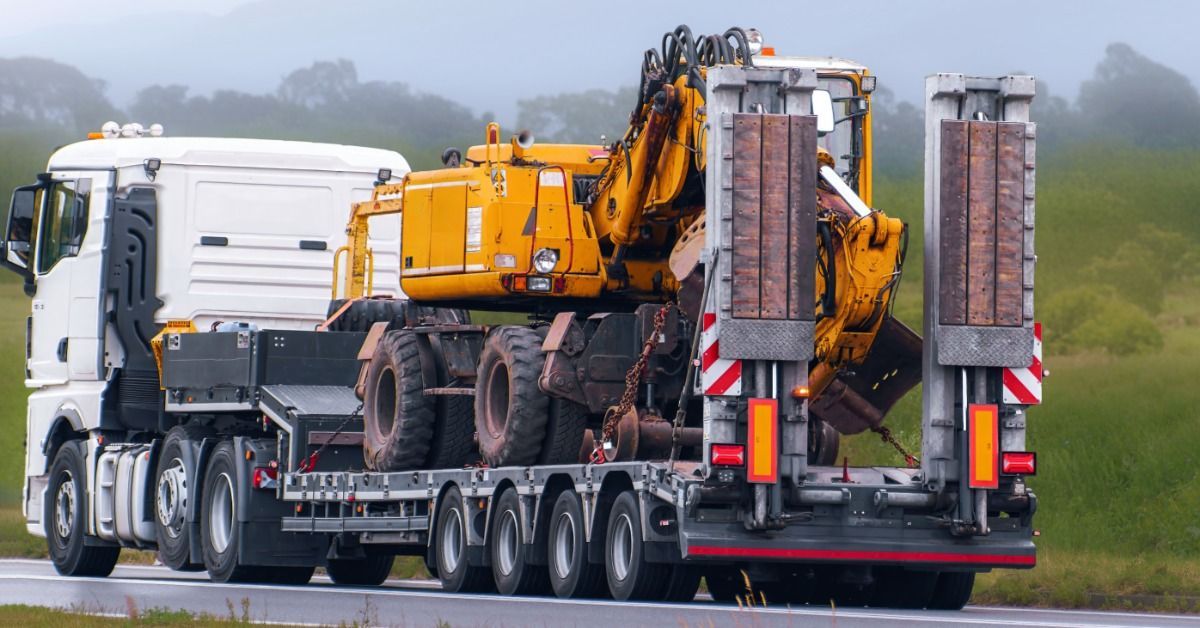
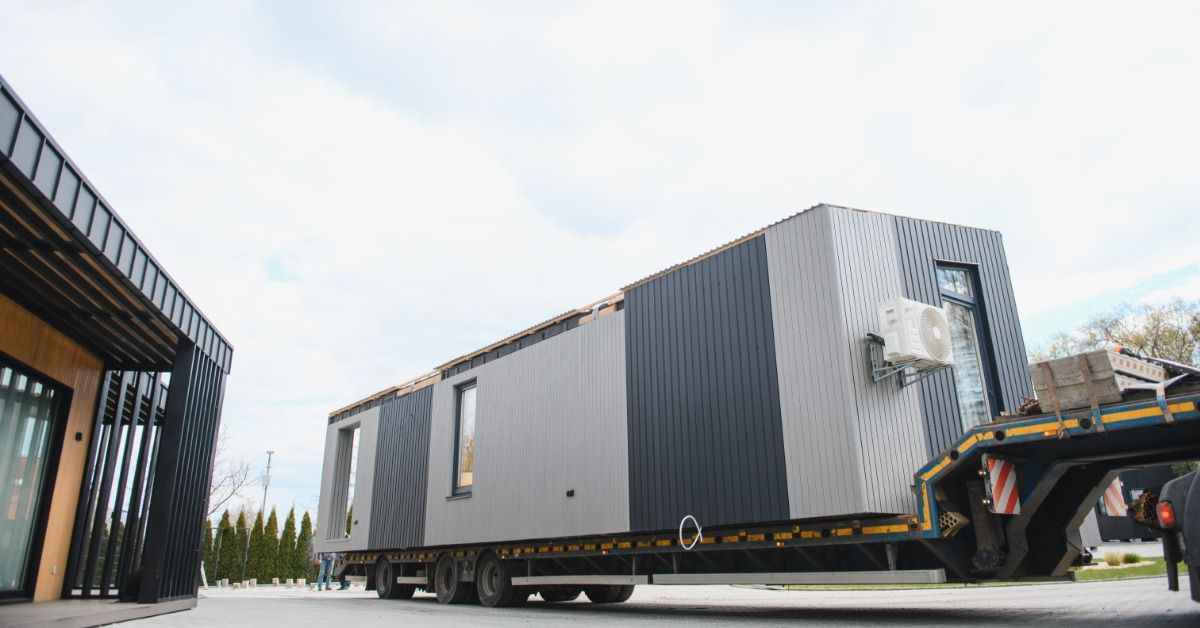
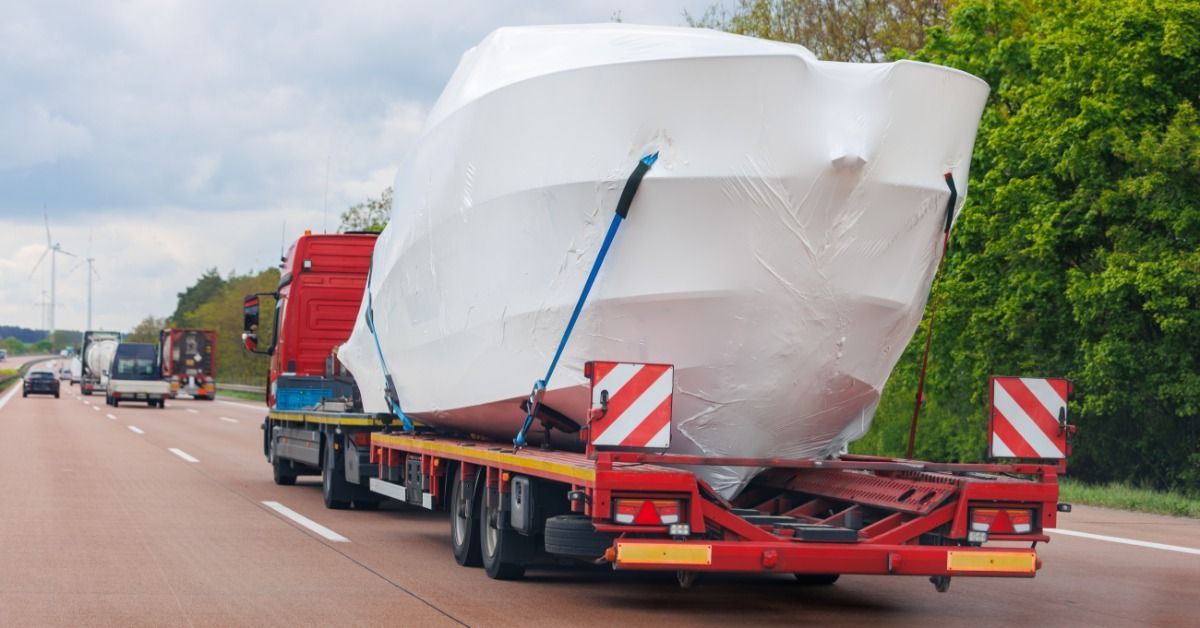
The transport itself may apply to vehicles, motorcycles, boats, RVs, tiny houses, or heavy equipment, but the core idea stays the same: the job requires organized movement from origin to destination with a clear operational plan. That broader scale is what sets national transport apart.
The Initial Quote Process: What Companies Should Ask You
A strong quote begins with accurate information, not a rushed price. The company should ask what you are shipping, where it is located, where it needs to go, and when it will be ready. They should also ask about dimensions and whether pickup or delivery locations have space limitations.
Those details shape many variables, such as trailer selection. Some customers start comparing logistics moving companies based on how carefully they gather information. Better questions usually lead to a more realistic quote and fewer surprises later.
Licensing, Insurance, and Credentials You Should Verify
Before booking, verify that the company can clearly identify who is handling the move and what credentials support that service. Ask for the operating authority when applicable and confirmation that the carrier assigned to the shipment is properly registered.
You should also confirm that the company has experience with your specific asset type, because transport requirements vary widely by load. A professional company should provide documentation without hesitation and explain responsibilities in plain language. Clear verification builds confidence before the shipment moves into the scheduling stage.
What Happens After You Book: The Transport Timeline
After booking, the job shifts from planning to execution. This stage should come with clear communication about what happens next and who will contact you. A reliable company does not leave customers guessing after payment or paperwork is complete. Instead, it outlines the transport timeline in practical terms and explains what each step is meant to accomplish.
Scheduling and Dispatch
Scheduling and dispatch focus on assigning the right driver, equipment, and route to the shipment. At this stage, the company aligns your transport with available capacity and establishes a pickup window.
Pre-Transport Preparation
Pre-transport preparation centers on getting the asset ready before the driver arrives. That may include removing loose items and making sure paperwork and contact information are complete and easy to verify at pickup.
Pickup Day
Pickup day is when the asset changes hands, and the move officially begins. The driver reviews the shipment, confirms destination details, and loads the asset according to the job requirements. Customers should expect inspection notes and clear confirmation of the next steps in communication.
How Your Asset Is Transported and Protected on the Road
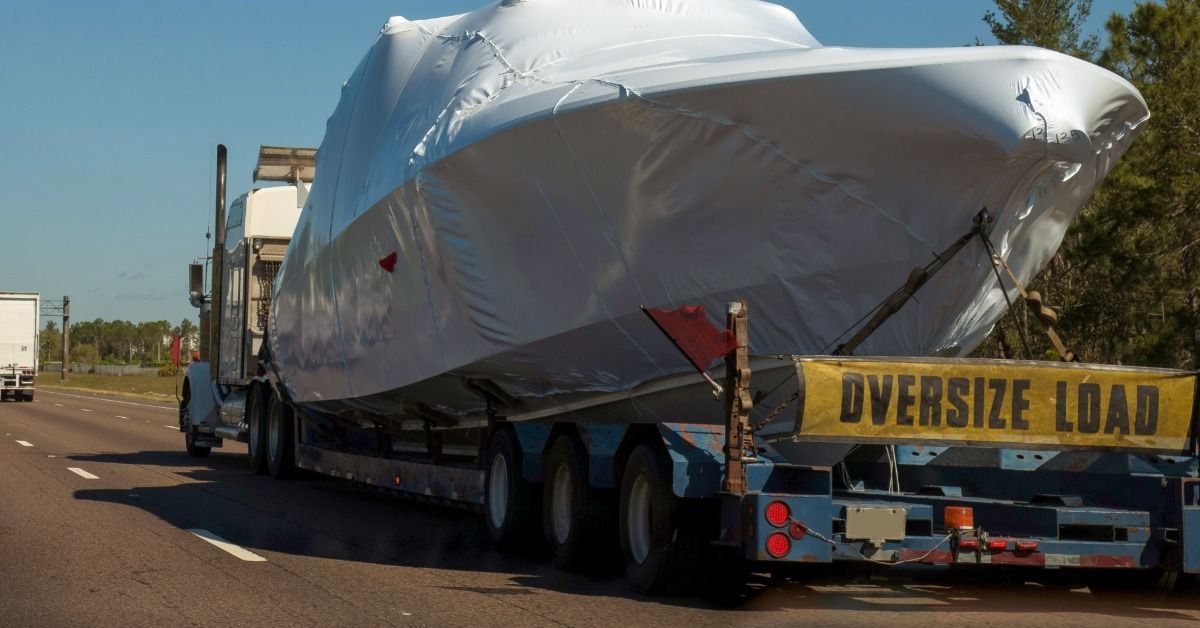
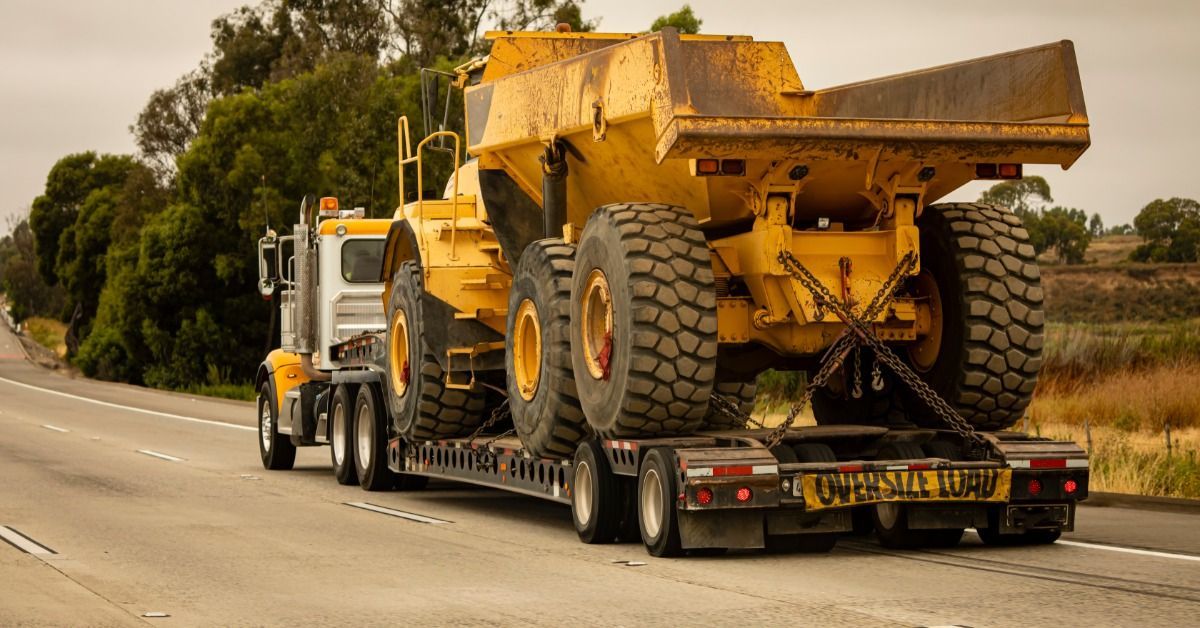
Once the shipment is in transit, protection depends on the transport method chosen for that specific asset. Open trailers may suit many standard vehicles, while enclosed trailers may better fit assets that need additional shielding during long-distance travel. Boats, RVs, tiny houses, and heavy equipment require more specialized hauling setups.
Protection on the road depends on secure loading and proper tie-down procedures that support stability over long distances. In national transport, safe transit is created by matching the load to the correct equipment and handling method from the start.
Delivery Day: What You Should Expect at Drop-Off
Delivery is the final transfer point, and it should follow a defined handoff process. The receiving party should be ready to inspect the asset and confirm that the shipment matches the agreed delivery terms. This is the time to verify that keys, documents, or related materials are returned properly.
A professional drop-off should not feel rushed or unclear. Instead, the company should make the final inspection straightforward so the customer can review the asset carefully before signing the last paperwork.
Common Challenges in National Transport—and How Good Companies Handle Them
National transport can involve delays or complications even when the shipment is planned carefully. Weather, difficult access points, and shifting route conditions can all affect timing. Strong companies manage these issues through communication and operational control.
A professional logistics moving company will explain what has changed and keep the customer informed of schedule adjustments without causing unnecessary confusion. The real difference is not whether challenges happen, but whether the company responds with steady coordination and practical solutions that keep the shipment moving toward completion.
Red Flags To Watch For When Choosing a Transport Company
Transport issues do not always point to poor service. What matters is whether a company shows clear preparation before the move begins. Watch for companies that cannot explain what type of carrier or trailer your shipment may require. That gap can signal limited experience with your asset.
Finally, pay attention to how they handle changes. If they cannot explain what happens when weather, route restrictions, or load requirements shift, the job may not be managed well once it is in motion.
Choosing the Right National Transport Partner
Once you know what to avoid, the next step is choosing a partner with a process you can actually trust. One Call Logistics stands out by guiding customers through each stage with clear communication and transport solutions built around the shipment itself. Instead of leaving customers to piece the process together on their own, the right partner explains what happens next and keeps the job moving with purpose.
A national transport move feels very different when the company behind it treats the job with care from the start. Knowing what to expect from a national transport job gives you a stronger position when it is time to compare providers and move forward with confidence. With One Call Logistics, customers can expect a team that approaches national transport with a service standard built around the move itself.