The Difference Between Curb Weight and Gross Weight
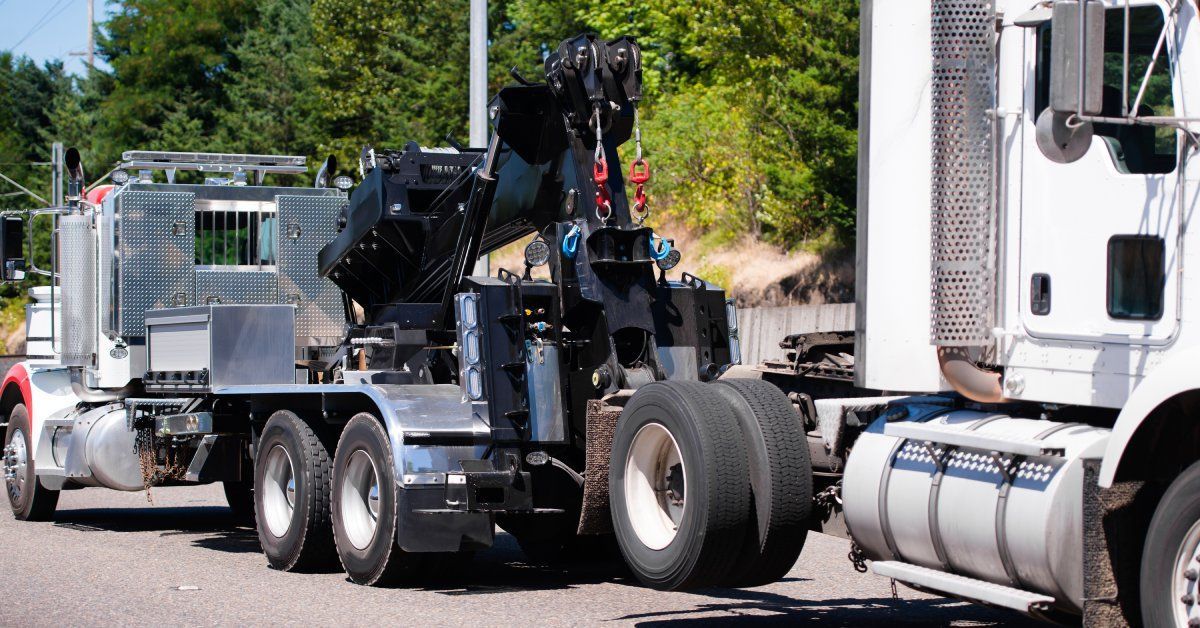
When transporting vehicles, trailers, or oversized loads, understanding the difference between curb weight and gross weight is essential. This isn’t just technical information for car buffs, it’s critical knowledge for anyone moving valuable property. At One Call Logistics, where we specialize in moving tiny homes, boats, and trailers, understanding this distinction ensures safety, compliance, and efficiency in every shipment.
What Is Curb Weight?
Curb weight refers to the weight of a vehicle or trailer when it is empty but ready to use. This includes all standard equipment plus essential fluids, such as fuel, oil, and coolant. It does not account for any passengers or additional cargo. A vehicle’s curb weight is determined by its structural components, construction materials, and factory-installed equipment. Whether it’s a family car, a trailer, or a recreational boat, the curb weight offers a baseline measurement of the vehicle’s weight before loading anything in it.
For boats and trailers, curb weight tells you what you’re starting with before adding additional equipment, passengers, or modifications. This measurement is useful for ensuring compatibility with towing vehicles by providing a foundation for calculating additional weight limits.
What Is Gross Weight?
On the other hand, gross weight refers to the total weight of a vehicle or trailer when fully loaded, including the vehicle itself, passengers, cargo, and any additional items. This number shows you the maximum load your vehicle can safely handle.
Anything that is in or attached to your vehicle affects the gross weight. Factors like the number of passengers, packed cargo, modifications, or towing a load all contribute to the gross weight. For recreational vehicle (RV) owners or tiny home movers, it’s the critical metric determining whether you can legally operate your vehicle.
Why Does the Difference Matter?
The importance of understanding curb weight versus gross weight cannot be overstated. Overloading a vehicle can cause mechanical strain, reduce fuel efficiency, and impair braking capabilities, often leading to accidents. Legal regulations across states specify maximum allowable weights. Failing to adhere to these limits can result in fines, penalties, or difficulties with bridges or weight-restricted roads. If you tow above your gross weight and an accident occurs, your insurance company could deny your claim.
For businesses like One Call Logistics this knowledge is fundamental to our heavy equipment transportation services. We carefully account for the curb and gross weight when moving tiny homes, trailers, or boats. This attention to detail ensures compliance with legal weight restrictions while prioritizing efficiency and safety.
Making Transportation Seamless and Safe
Knowing the difference between curb weight and gross weight is more than technical knowledge; it’s a practical necessity when towing. Whether you’re handling everyday vehicles or complex loads like tiny homes or RVs, these distinctions ensure safety and legal compliance. For a smooth, safe journey when transporting heavy cargo, always ensure your cargo and equipment are within the legal weight limits.