The Hidden Costs of DIY Equipment Transport
Transporting heavy equipment on your own can seem like a great way to save money. However, the hidden costs of DIY equipment transport can quickly add up, making the process more expensive than initially anticipated. This blog post explores these hidden costs and the potential risks associated with DIY transportation. Learn why professional services might offer a more cost-effective and safer solution.
Financial Implications of DIY Transport
When considering DIY equipment transport, initial cost savings might seem appealing. However, these savings often mask additional financial burdens.
Equipment Expenses
First, one must consider the cost of renting or purchasing the necessary equipment for transport. Trucks, trailers, and other essential tools can significantly inflate costs. Furthermore, maintenance and fuel expenses quickly add up, especially if the transport must cover long distances.
Insurance
Many personal insurance plans do not cover accidents or damage that occurs during the transportation of heavy equipment. This lack of coverage leaves individuals vulnerable to paying out-of-pocket for any mishaps.
Fines
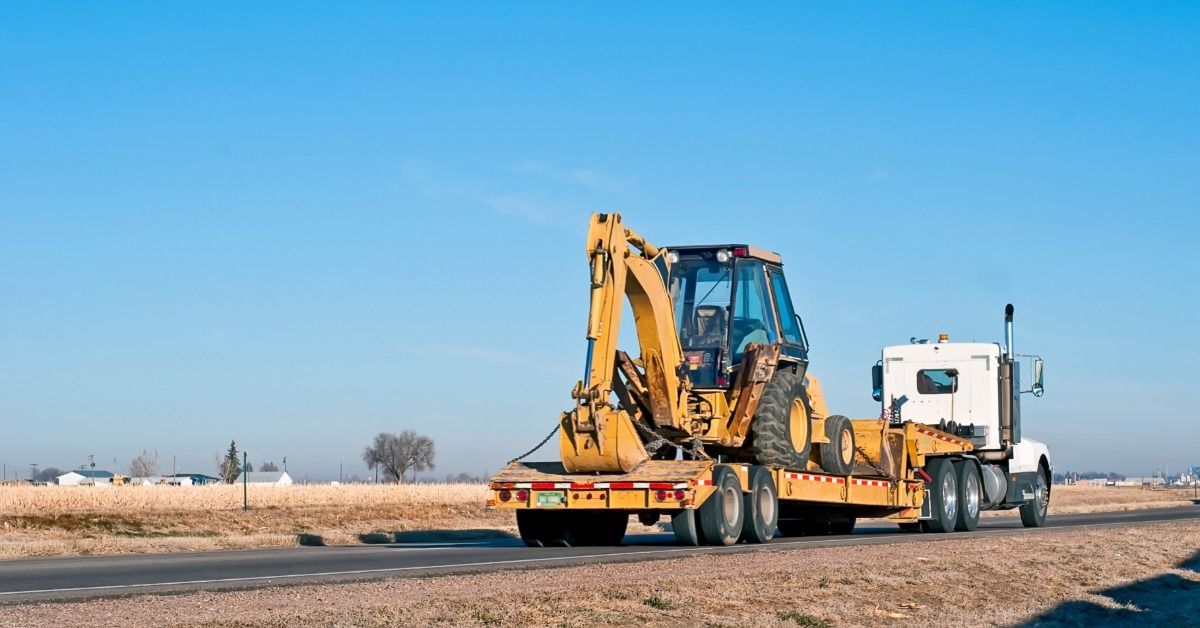
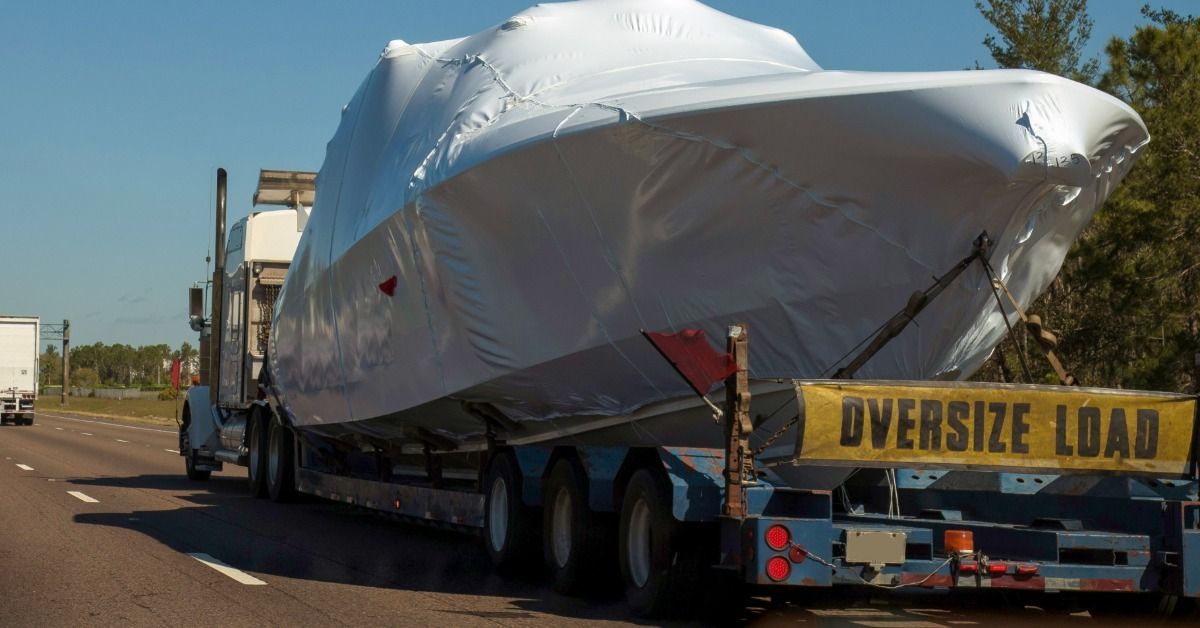
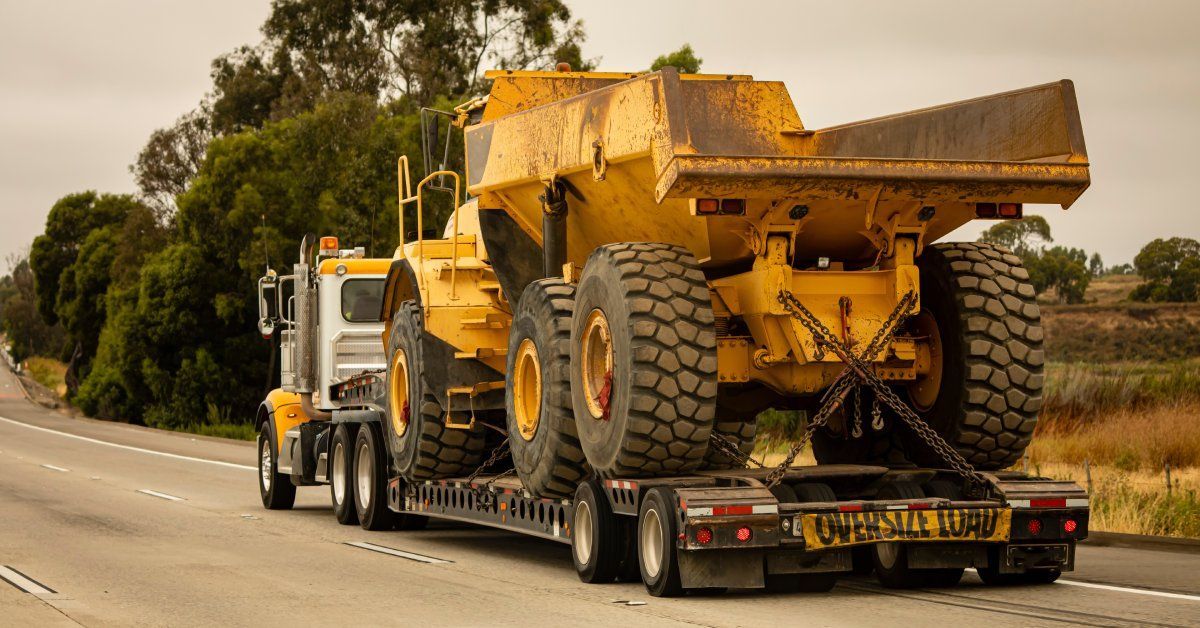
Strict regulations govern the movement of heavy and oversized loads. Failing to adhere to these rules could result in hefty fines, which can nullify any initial savings earned from opting for DIY transport.
Safety Concerns in DIY Equipment Transport
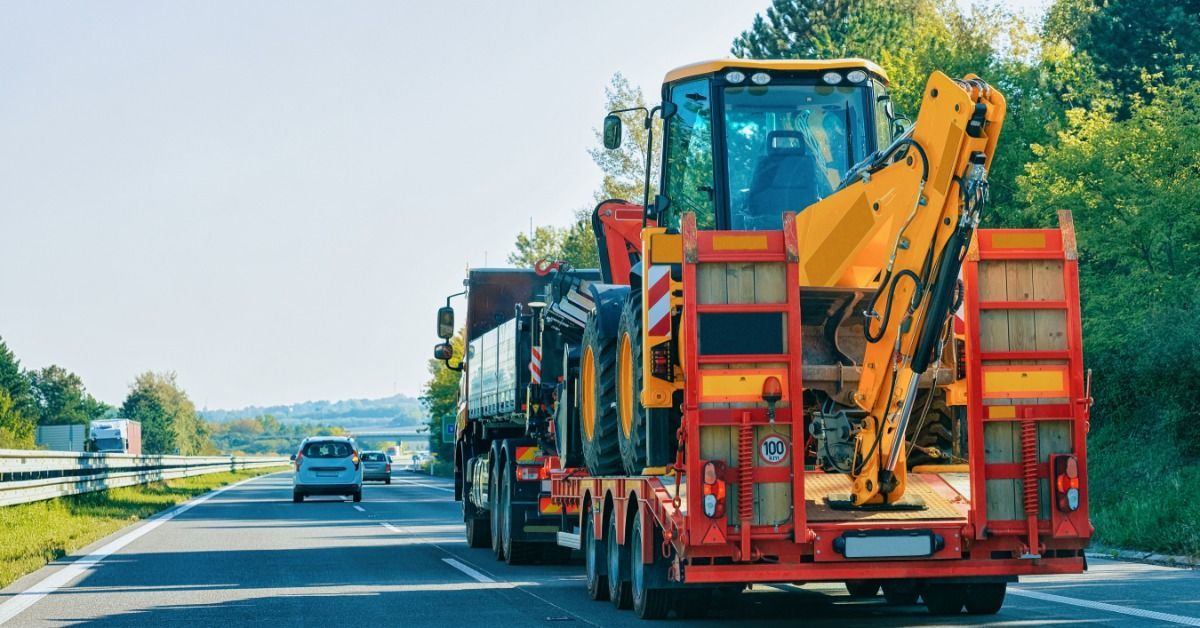
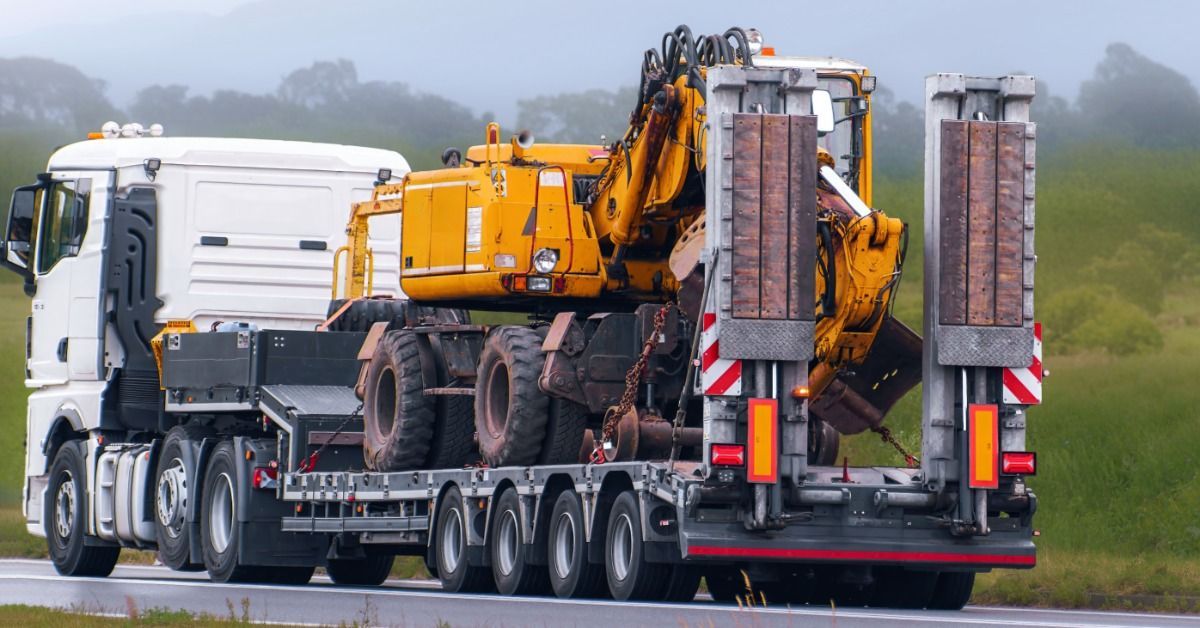
Safety should always be a primary concern when transporting heavy equipment. Unfortunately, DIY approaches often compromise safety due to a lack of expertise and proper equipment. Inadequate securement of loads can lead to accidents, causing damage to equipment and posing risks to other road users.
Without proper training and knowledge, individuals face the risk of serious accidents. These incidents not only endanger personal safety but can also lead to legal liabilities and further financial strain.
Additionally, DIY transport might not account for road conditions and potential hazards. Professionals typically have experience navigating various terrains and weather conditions, ensuring the safe arrival of equipment. Overlooking these factors increases the likelihood of accidents and equipment damage during transportation.
Time and Efficiency Challenges
DIY methods of transport often lead to extended timelines due to a lack of experience and resources. Organizing logistics, securing permits, and handling unforeseen challenges can consume valuable time, delaying project timelines.
The learning curve associated with transporting heavy equipment is another time-consuming factor. Individuals must familiarize themselves with equipment operation, safety protocols, and legal requirements. This learning process takes time away from other essential tasks, reducing overall productivity.
Finally, breakdowns and delays are common in DIY transport scenarios. Equipment malfunctions, unexpected repairs, and logistical issues can cause significant setbacks. These delays disrupt schedules and lead to additional expenses, further increasing the hidden costs of DIY equipment transport.
Choosing Professional Equipment Transport Services
While DIY transport might appear budget-friendly at first glance, considering the risks and hidden costs of DIY equipment transport reveals the potential pitfalls. Your time, safety, and financial investments are better protected when you entrust your transportation needs to professionals. Professional heavy equipment transportation services offer peace of mind and cost-effectiveness, allowing you to focus on what truly matters—completing your projects on time and within budget.