RV Transport vs Driving Yourself: Which Is Better?

When an RV needs to travel a long distance, the decision can be more than a simple travel choice. Owners often compare the freedom of taking the wheel with the relief of handing the move to a professional carrier. Which is better, using RV transport or driving yourself? The answer depends on how comfortable you are with the route and how much responsibility you want during the trip. Let One Call Logistics help you come to the best conclusion for your RV.
Two Paths, Two Very Different Experiences
Driving your RV yourself means treating the move like a personal road trip. You need to plan the route, including any fuel stops or overnight parking. You are responsible for the vehicle from the first mile to the final turn.
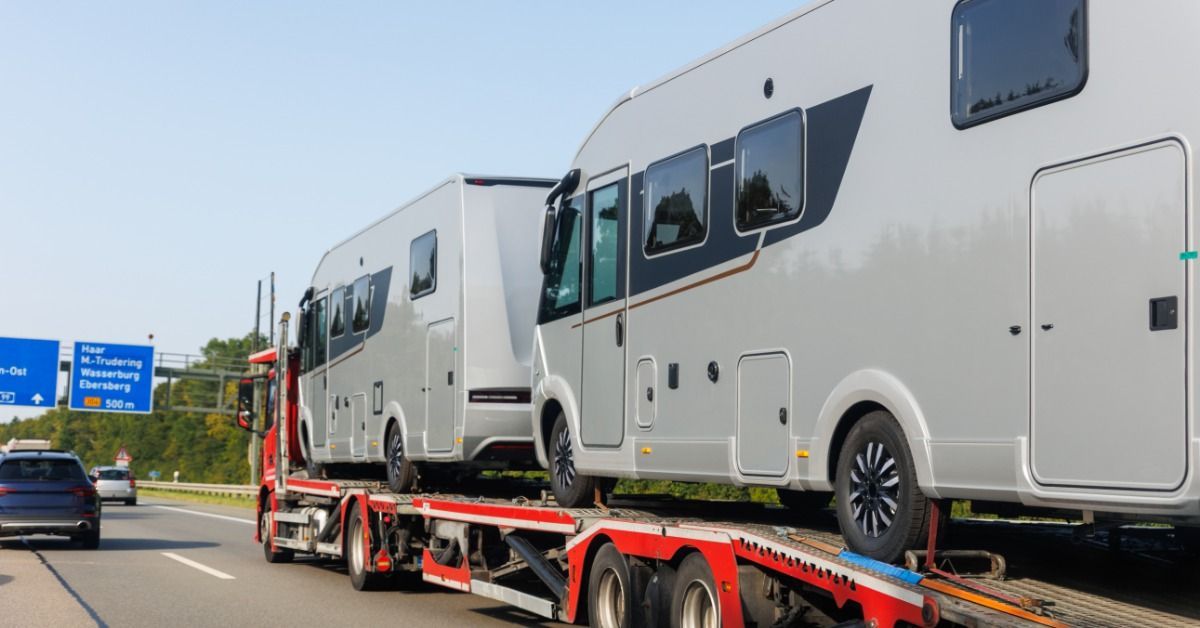
Professional transport changes the experience completely. A carrier handles the physical move, while you coordinate delivery and access details before the RV is loaded or driven by a qualified professional.
Both options can work, but they ask very different things from the owner. Driving demands attention hour after hour. Transport demands trust in the company arranging the move. Understanding that difference helps you compare the choice honestly before cost or timing becomes the deciding factor.
Situations Where Transporting Your RV Is the Smarter Move
Transporting your RV with professional help makes more sense when distance becomes the main challenge. A long route can turn into several days of driving; think about how weather, traffic, and rest needs can slow the schedule.
Did you just purchase an RV out of state? Professional help may be the better choice. Many buyers want the vehicle brought home without rearranging work or taking on an unfamiliar route right after the purchase.
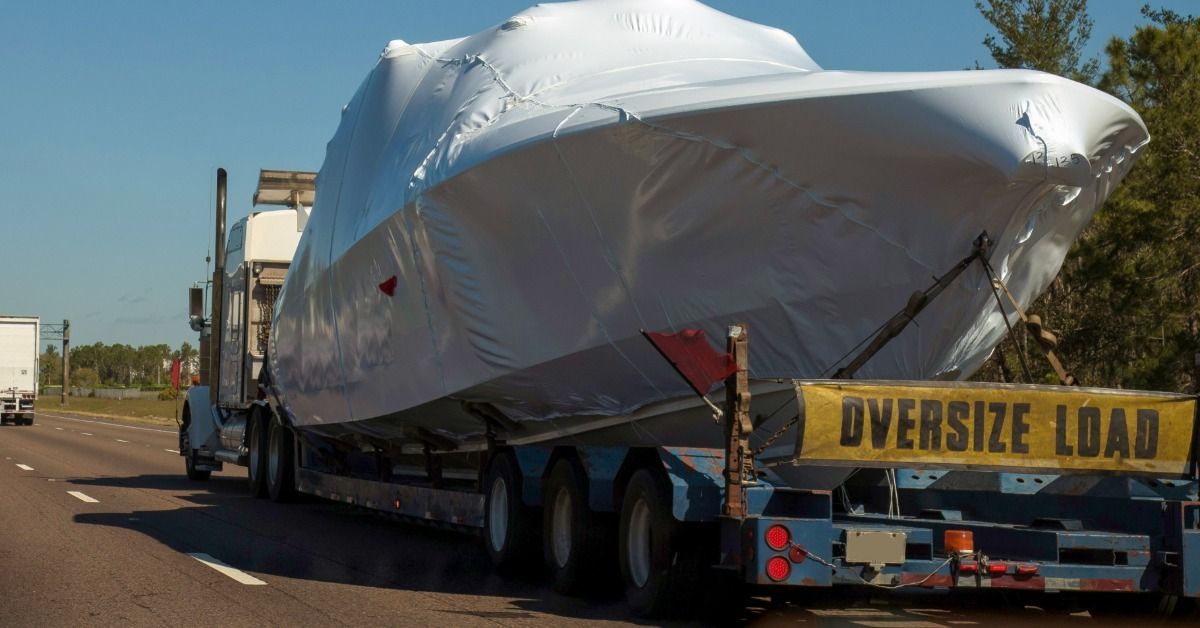
A professional RV moving service can be especially helpful when the RV is oversized or tied to a tight delivery window. Larger vehicles require more planning than many owners expect, and every mile can feel more stressful when the driver is not used to the RV’s length or turning needs.
Some RV owners simply do not want the move to become a personal project. In those cases, the value comes from reducing the physical and mental load of the relocation.
Situations Where Driving It Yourself Makes More Sense

Driving the RV yourself may be the better fit when the trip is short and familiar. A nearby move can be simple when roads are predictable, the RV is in good condition, and the owner already feels confident behind the wheel.
Personal travel plans make the drive worthwhile. Some owners want to enjoy the route and stop along the way, or turn the move into the beginning of a vacation.
Control is essential in these situations. When you drive, you decide when to leave and how quickly to continue after a delay.
Direct ownership of the trip can feel reassuring. Familiar sounds and handling quirks are easier to manage when the driver has spent time with the vehicle before. A short drive helps owners feel connected to a new RV before longer adventures begin.
The Money Question: What Each Option Really Costs
At first glance, driving yourself can look less expensive because there is no professional transport quote attached to the move. The full cost, though, reaches past fuel.
A self-driven trip can include campground fees, meals, route changes, tolls, and time away from work. You must also consider the wear on the RV. Long-distance mileage affects overall maintenance needs.
Transport has a clearer upfront cost. The quote reflects the route, RV size, scheduling needs, and equipment required for the move.
The better financial choice depends on what the owner values. Someone with flexible time and a comfortable route may be willing to accept the extra driving demands. Someone with a busy schedule may find that professional transport protects time that would be difficult to replace. Comparing both choices fairly means considering the whole trip, not just the one with the lower cost.
Safety and Risk: The Part Most People Don’t Think About
Safety is easy to underestimate until the trip begins. RVs do not handle like standard vehicles, and long-distance driving can become tiring even for confident drivers.
Weather adds another layer of uncertainty. Wind and rain can really put a damper on the driving plan that looked perfect on paper. Not to mention, any construction zones or steep grades that could be unfamiliar to the owner.
Professional transport does not eliminate all risk, but it shifts the driving responsibility to professionals who regularly handle long-distance vehicle moves. Experienced carriers understand how route planning and equipment choice affect the overall move.
For owners who rarely drive their RV, that difference can be meaningful. Comfort behind the wheel should be measured honestly, particularly when the RV must travel through busy highways or unfamiliar terrain.
Does Convenience or Control Matter More to You?

The decision comes down to what feels more important: convenience or control. Transport gives you more freedom from the trip itself, while driving keeps every decision in your hands.
Convenience matters when life is already full. A move may happen during a job change or purchase deadline, and adding several days of driving can create pressure.
Control matters when the journey itself has value. Some owners enjoy being present for every mile because it gives them confidence and keeps the experience personal.
Neither priority is wrong. The stronger choice is the one that fits your schedule, comfort level, and tolerance for travel-related responsibility. A clear decision usually comes from knowing which burden you would rather carry: the driving itself or the coordination required to have someone else handle it.
Trust One Call Logistics To Transport Your RV
When professional transport is the right fit, the company arranging the move matters. One Call Logistics provides national transportation support for RVs and travel trailers, with service available across the United States and transportation to Canada.
One Call Logistics is built for careful planning and reliable coordination. We offer precision logistics scheduling, specialized equipment for various transport situations, and experienced, licensed, and insured carriers.
Emergency response is available 24/7, which can be valuable when timing changes or urgent transport needs appear. As a women-owned small business, One Call Logistics brings a professional, service-focused approach to moves that require attention from start to finish.
For many RV owners, the best choice is the one that removes uncertainty without adding stress. Which is better, using RV transport or driving yourself? If professional transport gives you a safer, simpler path, One Call Logistics is ready to help you move your RV with confidence.