Safety Standards Used by Professional Tiny House Movers
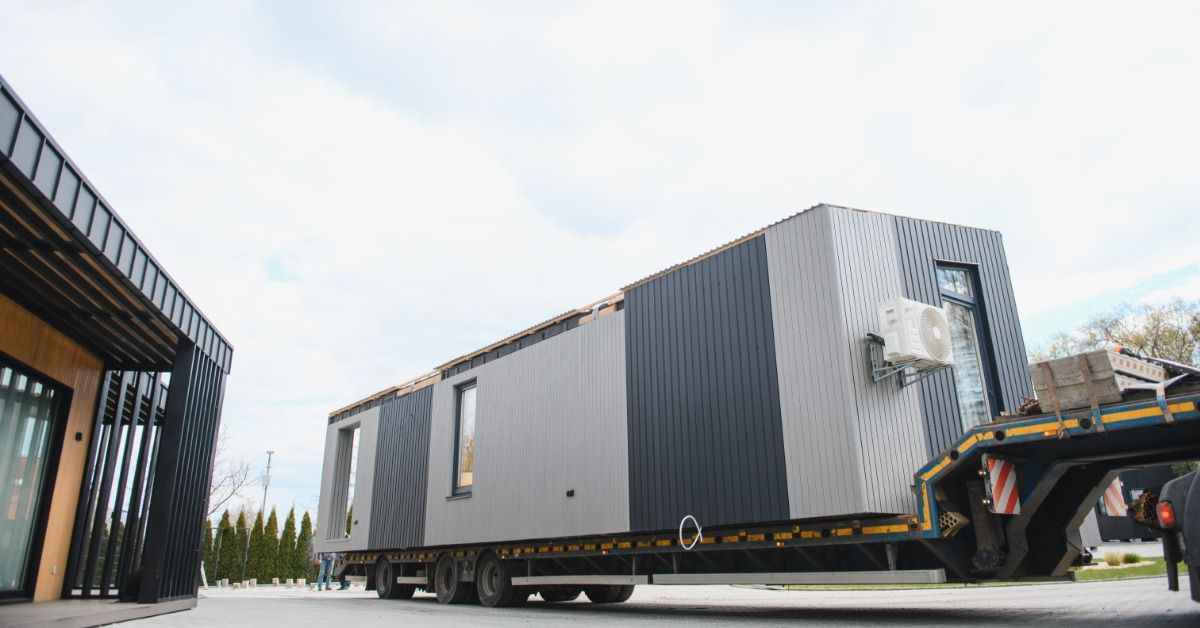
A tiny house carries the work someone poured into building a livable space small enough to move, yet valuable enough to protect at every mile. The safety standards used by professional tiny house movers turn that high-stakes trip into a planned process with careful checks before the home ever reaches the road. For homeowners, knowing what those standards look like makes it easier to choose a mover who treats the house like a home, not just another load.
The Regulatory Framework Behind Tiny House Transport
Professional movers start by determining how the home is classified for the specific move. A tiny house on wheels or a park model might require different handling based on its dimensions and state rules along the route. Federal motor carrier requirements apply to commercial transportation, and state agencies control oversize permits, travel windows, and route restrictions.
The regulatory review shapes the entire plan. If the home exceeds standard dimensions, the mover must secure the correct permits before departure. Those permits are not routine paperwork; they define how, when, and where the load moves. In professional tiny house transport, compliance provides a safer foundation for the move before equipment arrives on site.
Structural Safety Checks Before a Move
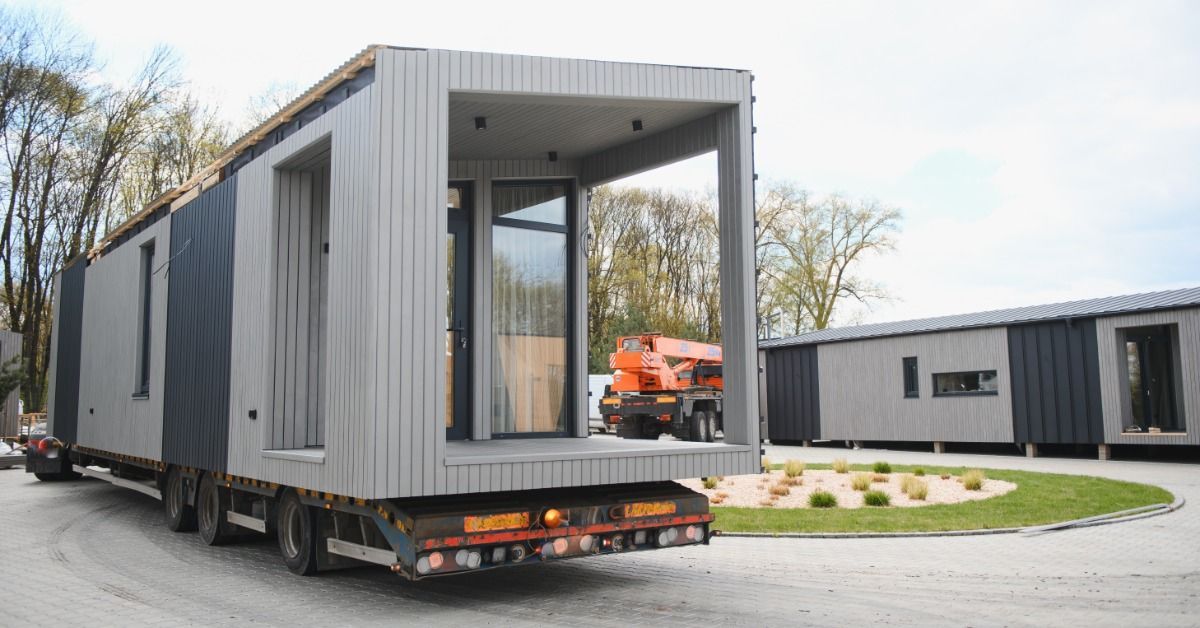
A tiny house must be evaluated as a structure before it is treated as cargo. Movers look for signs that the frame, roofline, exterior siding, and attachment points are ready for road vibration. Minor weaknesses could worsen once the home encounters turns and braking force.
You cannot leave interior preparation up to chance. Loose furniture, appliances, and doors need to be secured so that weight does not shift during transit. Disconnect all utilities before the mover takes control of the home. A professional review does not replace a builder or contractor inspection, yet it helps identify transport-related concerns that deserve attention before loading.
Load Securement Standards Used by Professionals
Securement is one of the most important parts of the move because the home must remain stable under various road conditions. Professional movers use tiedowns and trailer positioning based on the load’s size and structure. Each securement choice should support the home without crushing finishes or stressing weak areas.
The goal is not simply to hold the tiny house in place at rest. The securement system must resist movement throughout the journey. Trained carriers inspect all contact points before departure because worn or poorly placed equipment creates preventable risk. Once the move begins, experienced teams continue to check for changes that suggest the load needs adjustment.
Route Planning and Risk Mitigation
Safe transport depends heavily on choosing the right route before the home leaves the property. A professional mover reviews obstacles they might encounter along the road, such as bridge clearances or steep grades. These details affect whether the load passes safely through each segment of the trip.
Good route planning goes beyond finding the shortest path. Tiny houses require slower travel and more room at intersections. Weather conditions also influence timing, since wind and heavy rain place greater stress on tall or wide structures. When a route contains avoidable hazards, an experienced mover adjusts the plan early, not after the driver reaches a difficult stretch of road.
Escort Vehicles and Communication Protocols
Escort vehicles protect oversized loads by improving visibility and warning the driver about conditions ahead. Depending on the permit and route, escorts might travel in front, behind, or both positions. Their role is to support safe movement through areas where the load needs extra space or where traffic needs earlier notice.
Communication must remain consistent throughout the trip. Drivers and escorts coordinate stopping points and clearance concerns through direct radio or phone contact. A clear protocol reduces confusion when the route tightens or traffic changes quickly. Professional teams understand that escort support is part of keeping the move predictable.
Insurance and Documentation Standards
Documentation shows whether a mover has prepared professionally for the job. Homeowners should expect written estimates, contracts, permits when required, carrier information, and a clear description of the service being provided. Those records establish responsibilities before the move begins.
Insurance should be discussed carefully, but it should not be treated as a substitute for safe practices. A reputable mover explains what documentation they provide and encourages homeowners to review coverage questions with the proper parties. The safest approach is to keep every agreement in writing and avoid relying on verbal promises. Clear documentation supports accountability if questions arise during or after transport.
What Sets Reputable Tiny House Movers Apart?
Reputable movers treat each tiny house as a unique structure. They ask about dimensions, weight, build method, access conditions, and destination challenges before giving firm direction. A mover who skips those questions might not understand the level of planning the job requires.
Experience shows in how the company communicates. Professional teams explain the process and avoid making guarantees until they have reviewed the details. They use appropriate hauling equipment and work with carriers who understand how to handle large, delicate structures.
For One Call Logistics, reliable transportation starts with careful planning. The team uses specialized equipment suited to complex hauling needs and coordinates each step with precision. Experienced licensed and insured carriers ensure the process is organized from pickup through delivery.
How Homeowners Should Vet a Tiny House Mover

Homeowners should pay close attention to how a mover handles the first conversation. A dependable company will slow the process down long enough to understand the home and any concerns tied to the move. If the discussion jumps straight to price with little interest in the details, that is a sign to keep looking.
The quoting process ideally makes the next steps easy to understand. Homeowners should know what information the mover needs, how scheduling is handled, and who will stay in contact once the move is underway. Clear communication creates confidence before the home leaves the property, which is exactly what homeowners need when the structure being moved is also a place they value.
A tiny house move needs to give homeowners more confidence with every step. The safety standards used by professional tiny house movers turn a complicated move into a carefully managed process built around protection and control. When your tiny house needs a mover that understands what is at stake, contact One Call Logistics for transportation support planned around the safety of your home.