The Difference Between Local and Interstate RV Moves
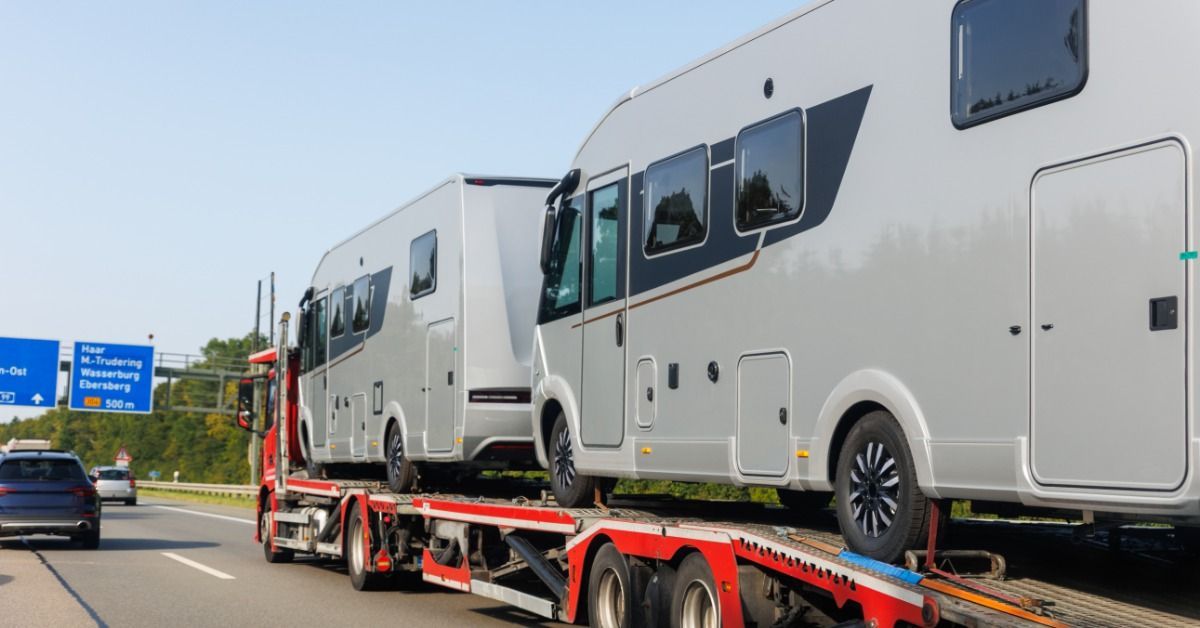
Moving an RV a few towns away calls for a different transportation plan than moving the same vehicle across several states. Although both situations involve getting a large recreational vehicle safely from pickup to delivery, greater distance expands the route and can introduce additional coordination requirements.
Understanding the difference between local and interstate RV moves can help owners set realistic expectations before scheduling transportation. The distance involved affects how a provider evaluates the route and prepares for conditions between the pickup location and destination.
What Counts as a Local RV Move?
A local RV move generally covers a relatively limited geographic area, such as transportation between nearby communities or properties within the same region. The exact mileage that qualifies as “local” can vary, so the practical distinction comes from the geographic scope of the route.
Even when an RV isn't traveling far, mileage alone doesn't determine how complex the move will be. A short trip through congested roads or into a difficult property may require more planning than a longer trip with straightforward highway access.
Conditions at each end of the route can add another layer of planning to a local move. Limited road width or restricted loading space, for example, may affect how a transporter approaches the property. Sharing those access details before pickup gives the transportation provider a clearer picture of the move.
How Interstate RV Moves Differ
Interstate transportation takes an RV across at least one state line, which expands the geographic scope of the move. A longer trip can pass through changing road environments and multiple jurisdictions before reaching the destination.
As the route grows, transporters have more ground to evaluate when determining how the RV will travel. Roads must accommodate the vehicle and its transport setup throughout the trip, particularly when the dimensions create restrictions.
Interstate transportation can also bring federal carrier requirements into the planning process. For-hire carriers conducting regulated interstate commerce generally need appropriate federal operating authority in addition to a USDOT number. The requirements depend on the carrier's operation and cargo, which makes carrier qualifications an important consideration for an interstate move.
Route Planning Changes With Distance
Even a relatively short RV move requires a route that can accommodate the vehicle safely. The shortest path on a map may include a clearance problem or another restriction that makes a different road more suitable for transportation.
As distance increases, the transporter has a larger route to assess for potential limitations. Road restrictions may affect the planned path, while construction or limited clearance can require adjustments before departure.
Crossing multiple states expands that planning process further because the trip passes through additional jurisdictions. Each state may present road conditions or transportation requirements that the transporter must consider when planning the route.
State Requirements Can Affect Interstate Transportation
Crossing a state line doesn't automatically mean an RV transport requires a special oversize or overweight permit. Whether a permit applies depends on the transport configuration and applicable limits along the route.
When a commercial transport exceeds a state's size or weight limits, that state may require a permit for travel within its borders. The Federal Highway Administration explains that states issue oversize and overweight permits, while the federal government does not issue those permits.
An interstate route can therefore involve coordination with multiple jurisdictions when the transport exceeds applicable limits. Local transportation can encounter similar requirements when its dimensions trigger them. The meaningful difference is that a multi-state route may involve requirements from more than one jurisdiction.

Scheduling Can Look Different for Each Move
Because local transportation covers a smaller geographic area, the travel portion of the move may fit within a narrower window. Carrier availability and conditions at the pickup or delivery location can still affect the schedule.
A long-distance move naturally involves more travel time and exposes the trip to changing conditions along the route. Construction or severe weather may affect progress, which can make an exact delivery time harder to predict far in advance.
Owners planning an interstate move should account for that broader transportation window when coordinating pickup and delivery. Keeping communication open with the transportation provider can make it easier to manage timing as the RV progresses toward its destination.
Pickup and Delivery Access Matter at Any Distance
Although distance shapes much of the transportation plan, some of the most important logistical considerations appear at the beginning and end of the route. A transporter needs enough access to reach the RV at pickup and position it appropriately at the destination.
For a local move, transportation between two open and accessible properties may involve relatively straightforward pickup and delivery. A nearby residential move can require more coordination when the transporter has limited room to enter or maneuver.
Interstate transportation presents the same access concern even after hundreds of miles of highway travel. The final portion of the route can become challenging when a destination has narrow streets or restricted entry. Accurate information about both locations allows the transporter to evaluate those conditions before arrival.
Local Doesn't Always Mean Simple
Shorter mileage can make a local RV move appear uncomplicated, but the immediate transportation environment can change that assessment. Congested neighborhoods or roads with limited clearance may require careful planning, even when the RV isn't traveling far.
The size of the RV can also affect which roads and properties are practical for the move. Transportation equipment adds another consideration because the complete setup must be able to navigate the planned route.
Evaluating the full trip gives owners a more useful measure of complexity than mileage by itself. With accurate location details and RV specifications, the transportation provider can plan around the conditions that will affect the move.
Interstate Moves Require Broader Coordination
Once an RV travels beyond one state, transportation planning extends beyond the conditions surrounding the origin and destination. The route may pass through several jurisdictions, giving the transporter a broader set of road requirements to evaluate.
State transportation agencies manage oversize and overweight permitting within their jurisdictions, and applicable requirements can vary. Route restrictions may also affect where certain commercial transport configurations can travel.
Reviewing those conditions before departure helps a transportation provider identify potential restrictions along a multi-state route. When additional requirements apply, the provider can account for them while coordinating the trip.
Choosing the Right RV Transportation Plan
Deciding how to approach an RV move starts with the actual conditions of the trip, not simply the number of miles between two points. For a local move, accurate information about property access helps the transportation provider evaluate potential challenges before pickup.
Interstate planning adds the broader route to that evaluation. Owners can help the provider assess the move by sharing the RV specifications along with accurate origin and destination information. Scheduling needs can then become part of the transportation plan.
Planning before pickup gives both local and interstate moves a clearer starting point. When the transportation provider understands the RV and the route, it can coordinate the move around the conditions involved.
Plan Your RV Move With One Call Logistics
Recognizing the difference between local and interstate RV moves makes it easier to understand why two shipments can require different levels of coordination. Local transportation concentrates route planning within a smaller geographic area. Interstate transportation extends that planning across state lines and may introduce requirements from additional jurisdictions.
One Call Logistics coordinates RV transportation services across varying distances. Whether your RV is moving nearby or crossing state lines, contact One Call Logistics to discuss where the RV needs to go and what the move requires.