Why National Transport Goes Beyond Basic Towing
A broken-down car on the shoulder of the highway needs a tow truck. A tiny house headed across several states or a piece of heavy equipment bound for a jobsite presents a different challenge. Those moves require planning that begins long before a driver arrives. The transport provider must match the asset to the right route and loading method before pickup. Understanding why national transport goes beyond basic towing helps owners choose a service built for their asset and focused on safe delivery.
What Basic Towing Covers and Where It Falls Short
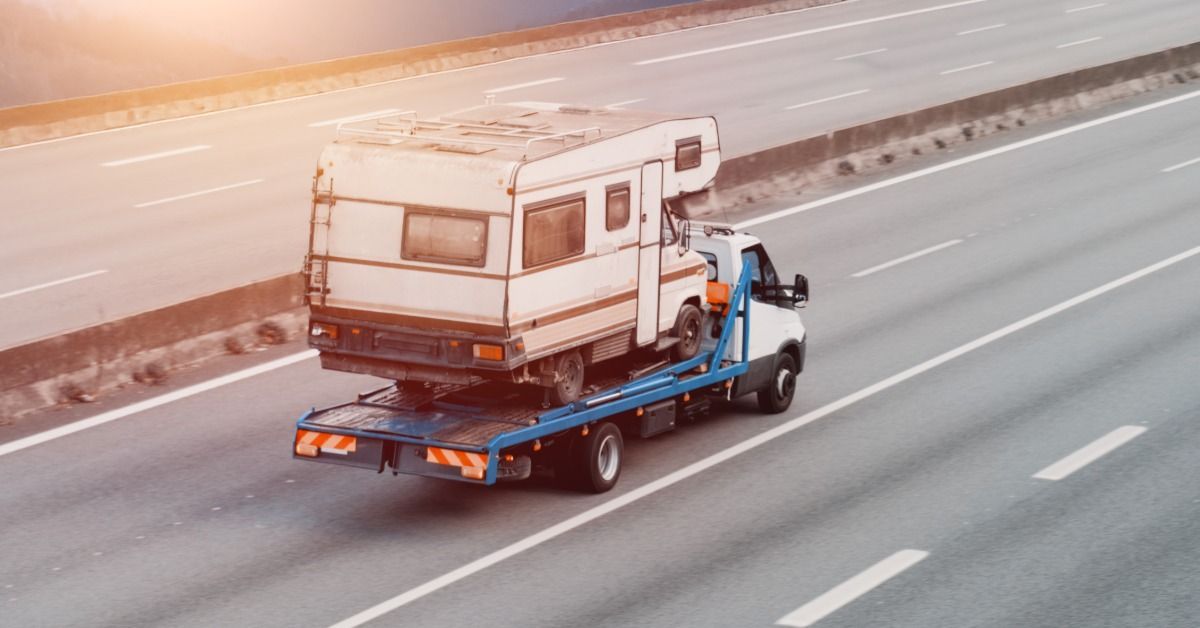
Basic towing is designed for short, immediate vehicle recovery. A tow truck might move a stalled car to a repair shop or relocate a vehicle within a local area. The service focuses on solving an urgent, limited-distance problem. Its process usually ends once the vehicle reaches a nearby destination, so it does not address the planning requirements of a shipment spanning multiple regions.
National transport serves a broader purpose. The asset might be fully operable yet unsuitable for highway travel on its own. Its size might exceed what a conventional tow truck was designed to handle. Distance creates another dividing line because a regional recovery service is not structured around multi-state scheduling and routing or extended carrier coordination.

Oversized and Nontraditional Assets Require Specialized Handling
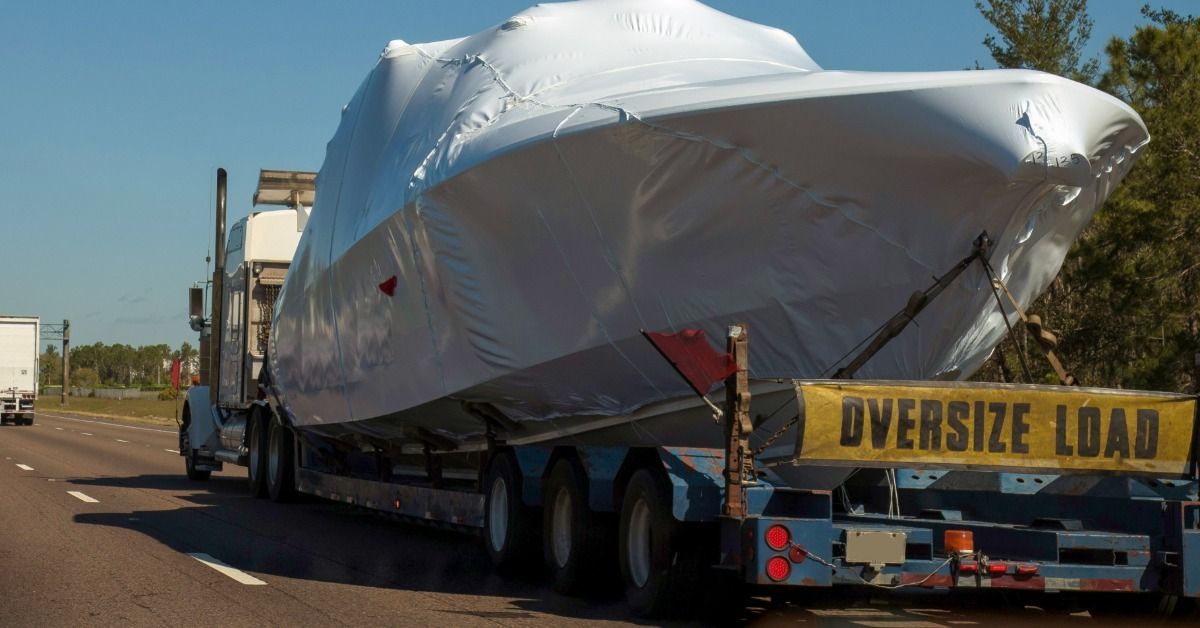
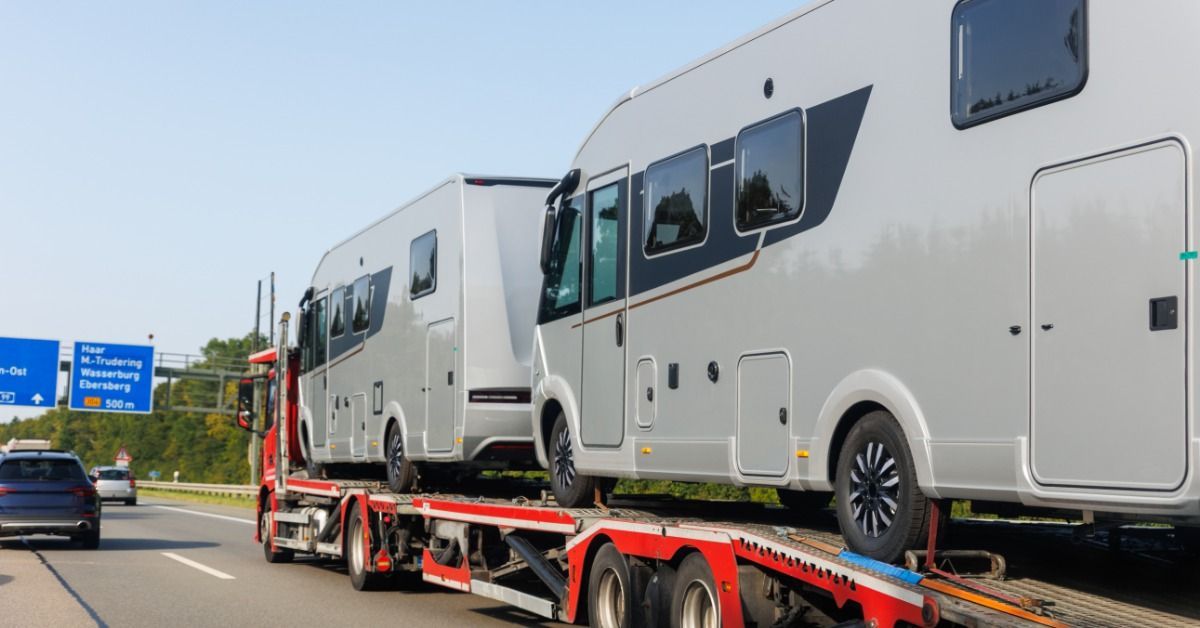
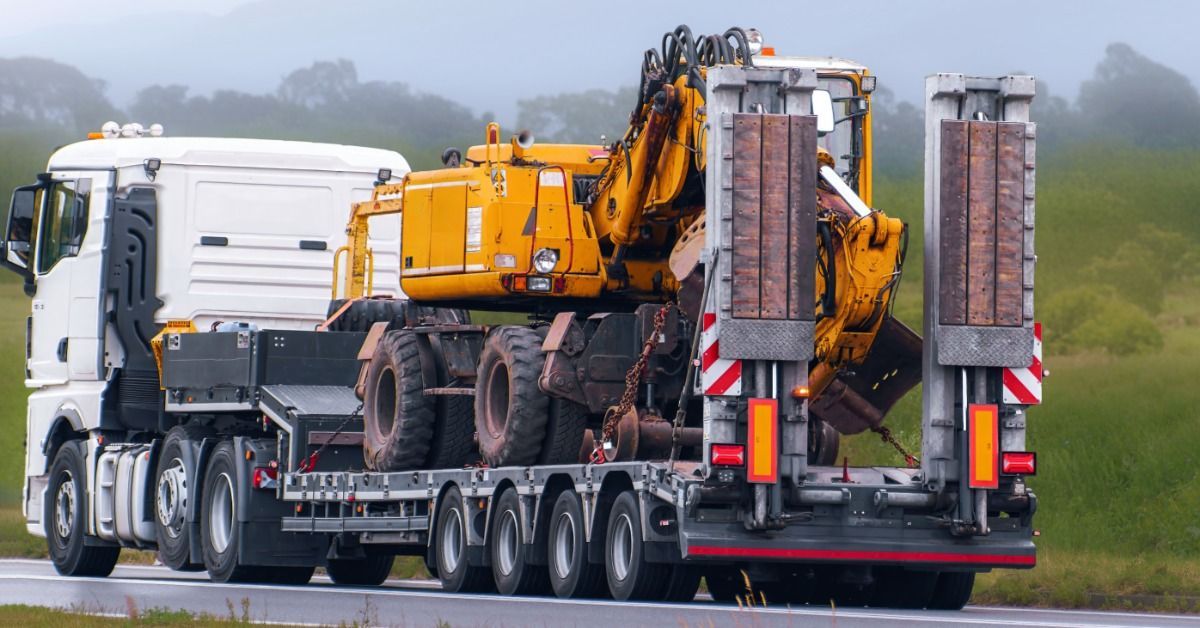
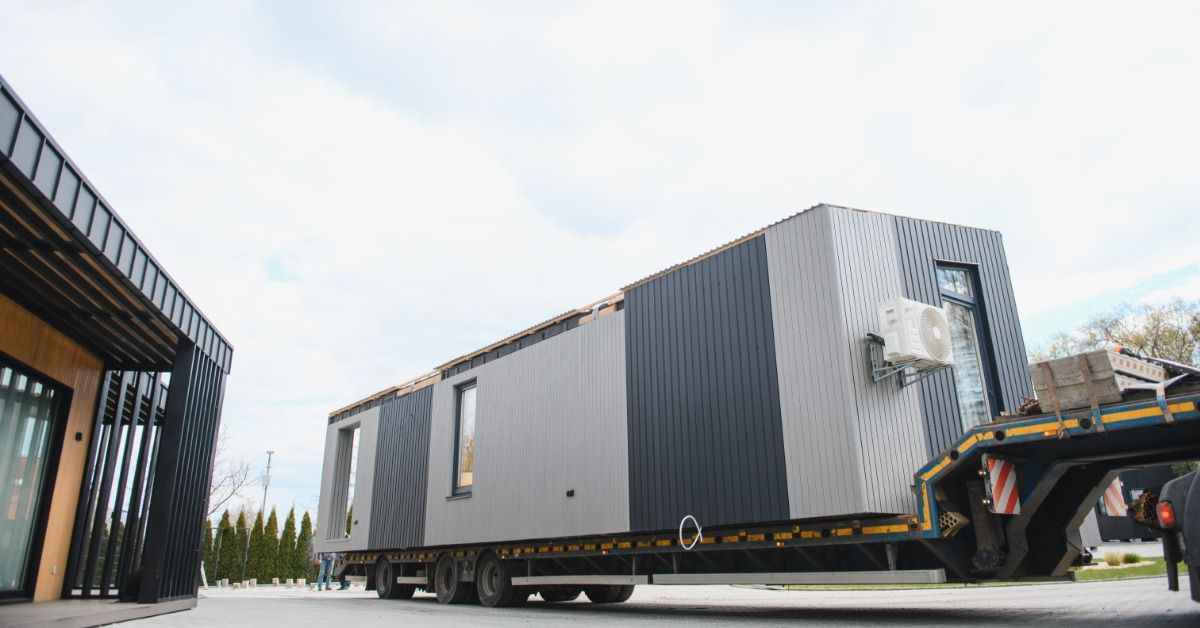
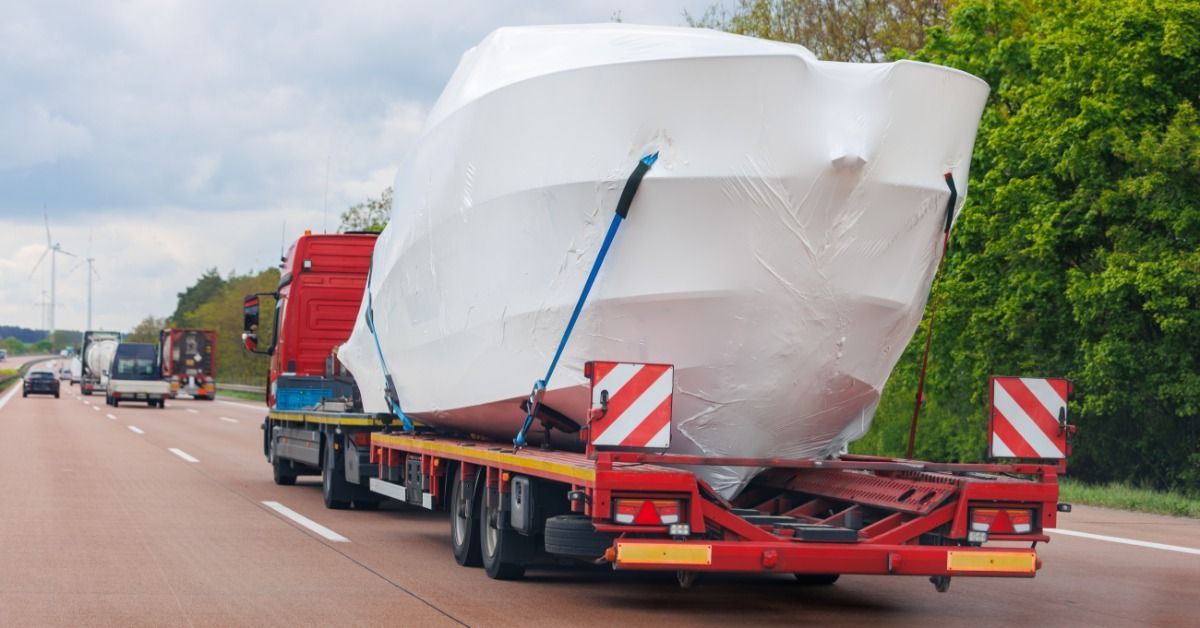
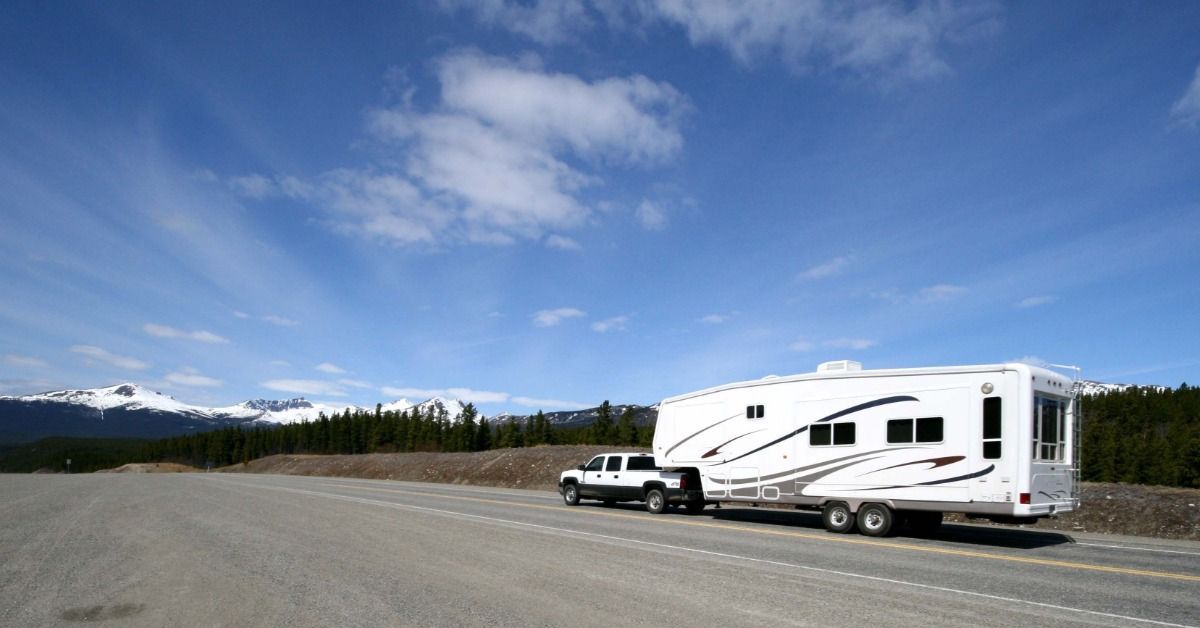
RVs, boats, tiny houses, and construction machines do not share the same shape or loading requirements. Each asset places weight differently across a trailer and reacts differently to road movement. A successful haul begins with accurate dimensions and access for pickup/delivery.
A professional logistics moving company evaluates those details before assigning equipment. Early review reduces the chance of sending a trailer that does not fit the asset or arriving at a site where loading is blocked. Specialized handling starts with understanding the load as a transport project, not treating it like an oversized car. Site conditions matter too, since narrow entrances or soft ground affect the loading approach.
National Transport Uses Purpose-Built Equipment Instead of Tow Trucks
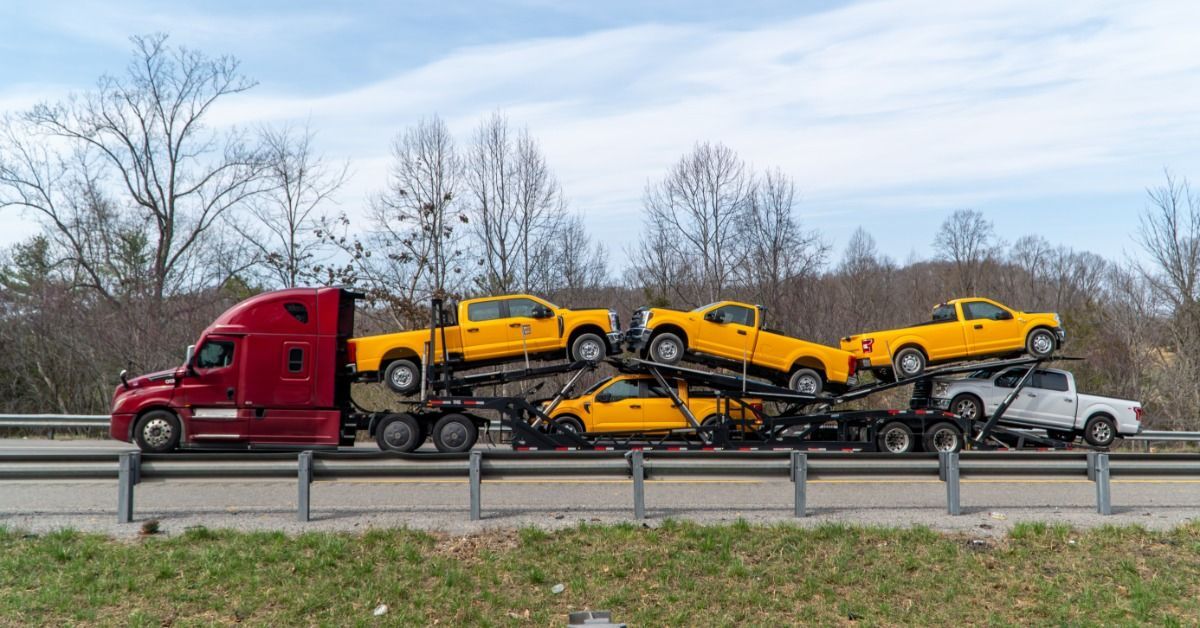
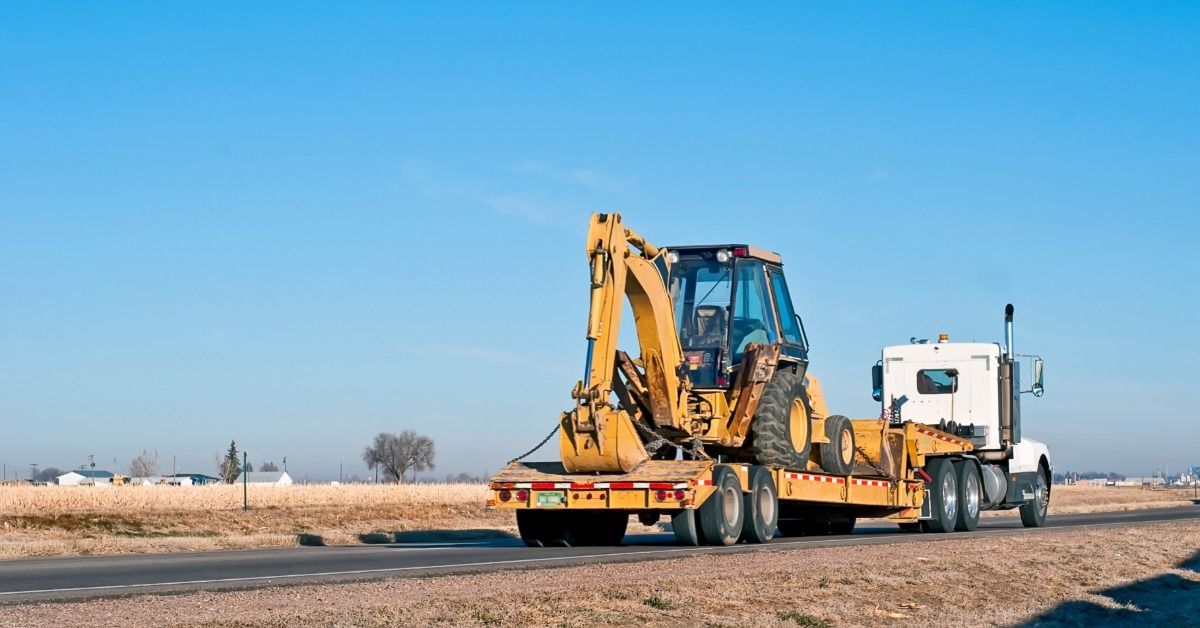
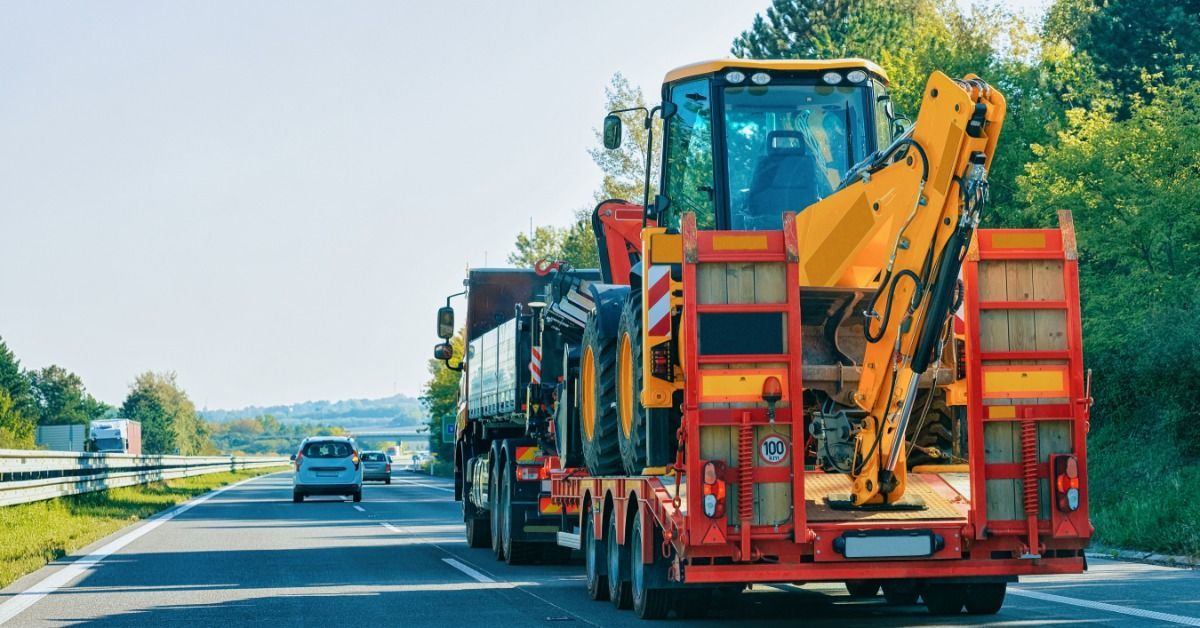
Tow trucks lift or pull vehicles using equipment intended for roadside recovery. National carriers rely on trailers selected around the asset’s clearance and weight distribution. Lowboy trailers support tall machinery by lowering deck height, and step-deck configurations create room for loads that exceed standard trailer dimensions.
Enclosed transport serves assets that need separation from road debris and weather exposure. Other moves require loading support at the pickup point. Equipment selection shapes the entire move because the wrong setup introduces unnecessary handling and prevents safe loading. Trailer capacity must support the full load without creating an unstable or poorly balanced configuration.
Long-Distance and Interstate Moves Demand Professional Logistics
A cross-country move involves more than adding highway miles to a local tow. Dispatchers must coordinate carrier availability with pickup windows and delivery access. Route planning must account for factors such as construction zones and bridge clearances.
Timing is critical. A carrier delayed in one state affects every appointment that follows. Strong coordination keeps the customer informed and gives the driver a workable plan. Precision logistics scheduling turns a long-distance haul into a managed process with clear expectations from origin to destination. It helps align the driver’s legal operating hours with realistic arrival windows, reducing pressure to make promises the route cannot support.
Permits and Regulations Go Beyond Towing
Oversized or overweight loads require permits from each state along the route. Requirements vary by jurisdiction, and permit conditions might limit travel hours or identify approved roads. Some moves involve escort vehicles or additional route provisions based on the load’s dimensions. The Federal Highway Administration directs carriers to obtain permits from every state where an oversize or overweight load will travel.
Federal Motor Carrier Safety Administration rules govern commercial motor vehicle operations, including cargo securement requirements for interstate carriers. State authorities oversee many oversize and overweight permits. A national transport provider must understand how those layers interact before the load enters the road, since a route that works for standard freight might not be legal for a larger asset.
High-Value Assets Need Professional Protection and Securement
Securement is not a single routine applied to every load. Attachment points, center of gravity, structural strength, and trailer design influence how an asset must be restrained. Heavy machinery presents different pressure points than a boat hull or travel trailer.
Professional carriers inspect securement before departure and monitor the load during transit. Proper tension is important because movement can damage the asset, even if it never leaves the trailer. Thoughtful placement protects vulnerable surfaces and helps the load remain stable through changing road conditions.
Customers Expect More Than a Pickup-and-Drop-Off Service
Owners need communication before the carrier reaches the pickup location. They need to know how to prepare the asset, what access the driver requires, and when the shipment is expected to arrive. Those details prevent confusion on moving day.
National transport adds coordination between the customer and carrier. A reliable provider addresses changes without leaving the owner to solve every disruption alone. One Call Logistics supports transportation through precision scheduling and experienced, licensed carriers, helping customers understand what is happening at each stage of the move.
Choosing National Transport Saves Time, Money, and Stress
The lowest initial quote does not always produce the lowest final cost. Poor equipment matching might lead to storage charges or a second carrier assignment. Weak route planning might create avoidable delays.
Professional planning reduces those risks before they reach the road. Customers spend less time contacting separate towing operators across multiple states or trying to interpret unfamiliar permit requirements. A coordinated shipment protects the schedule and limits costly surprises, making national transport a practical choice for complex moves.
Put Your Trust in One Call Logistics
Complex assets require a transportation partner that sees the entire move before the wheels start turning. Knowing why national transport goes beyond basic towing makes the difference between arranging a quick recovery and building a dependable shipping plan.
One Call Logistics provides national transportation for vehicles, RVs, boats, tiny houses, heavy equipment, and enclosed motorcycles. Contact the team to coordinate a move with specialized equipment, precise scheduling, and experienced carriers.