How Weather Impacts Heavy Equipment Transport Jobs
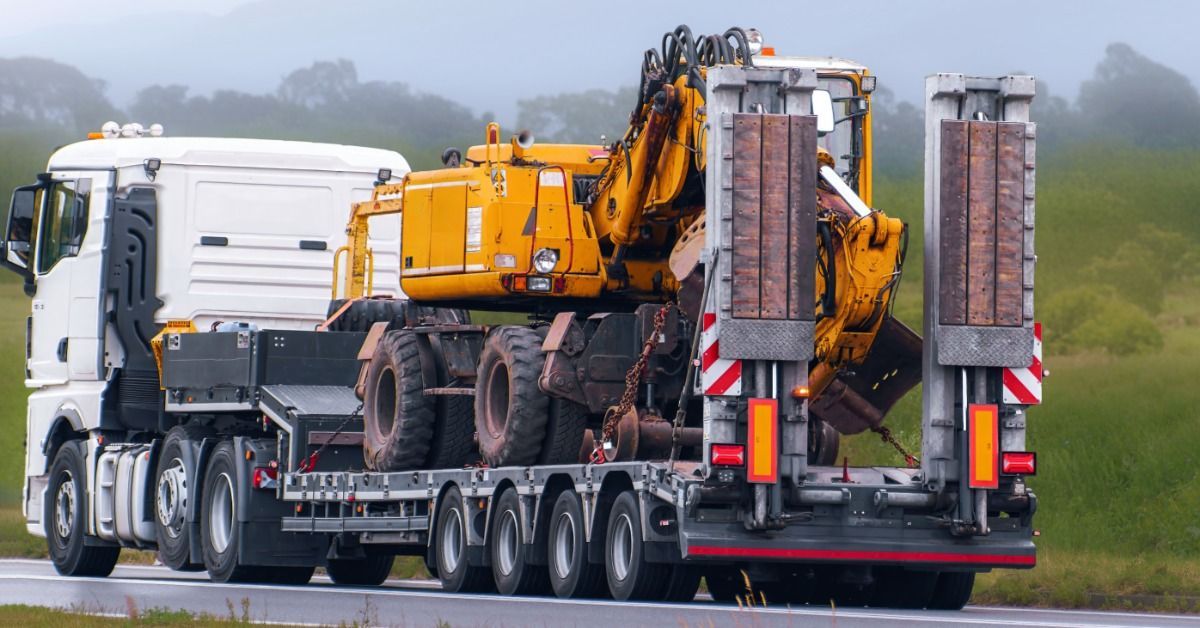
A heavy equipment move rarely fails because the machine is too large; it gets complicated when the road no longer cooperates. How weather impacts heavy equipment transport jobs becomes clear the moment a sunny forecast turns into a wind storm that requires a delivery plan with room to adjust. Weather is not just a background detail in transport planning. It is one of the first things a professional team studies before deciding how the move should happen.
How Weather Affects Transport Safety
Weather affects transport safety by changing how a truck handles and how quickly a driver reacts. Heavy machinery already requires careful securement and steady handling, so poor conditions leave less room for sudden braking or sharp lane corrections. When roads turn slick or visibility drops, safe transport depends on slower speeds and stronger communication between dispatchers and drivers.
Professional transport teams take weather seriously because a delay is easier to manage than a preventable incident.
The Impact of Rain on Traction and Visibility
Rain creates transport problems long before flooding appears. Wet pavement reduces tire grip, affecting stopping distance and steering control for a truck carrying heavy machinery. A load with significant weight behind it needs more space to slow down, and that extra space becomes harder to preserve in traffic.
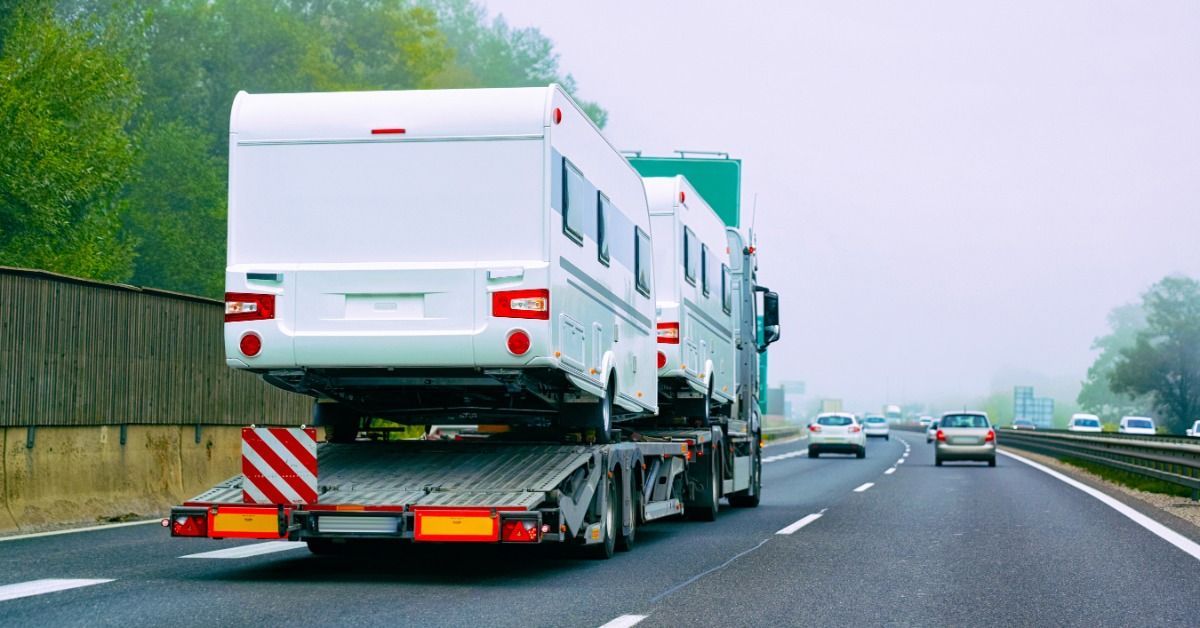
Visibility creates another concern during steady rain. Spray from nearby vehicles and reflective road surfaces make it harder to judge distance. For oversized equipment, reduced visibility changes how clearly other motorists see the truck and the edges of the load.
Why Snow and Ice Create the Most Disruptive Transport Conditions
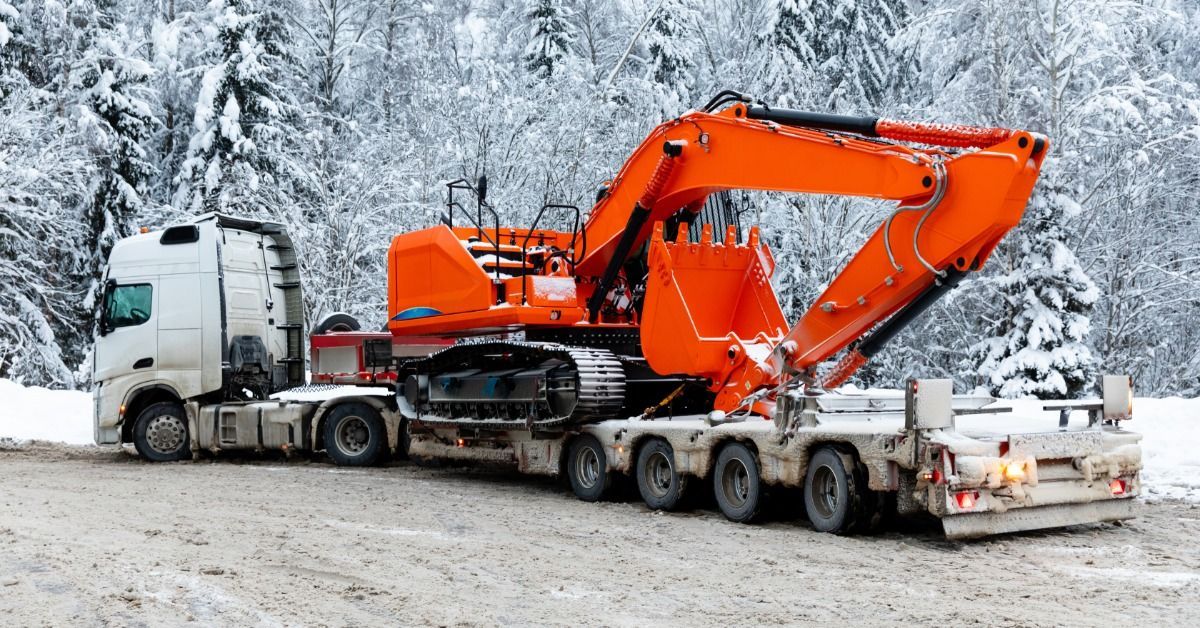
Snow and ice create disruptive transport conditions because they affect nearly every part of the trip at once. Road surfaces lose traction, bridges freeze sooner than standard pavement does, and steep grades become harder to manage safely. Even a well-maintained truck faces limits when the road no longer supports predictable control.
Ice is difficult because it might not look dangerous from a distance. A driver might approach a shaded curve or overpass and encounter a surface that behaves differently from the road ahead. Uncertainty leads to cautious routing and possible pauses until conditions improve.
Snow accumulation adds another layer of delay because narrowed lanes leave less working space for wide loads. Permit restrictions or local road closures might also affect timing.
How High Winds Affect Oversized and High-Profile Loads
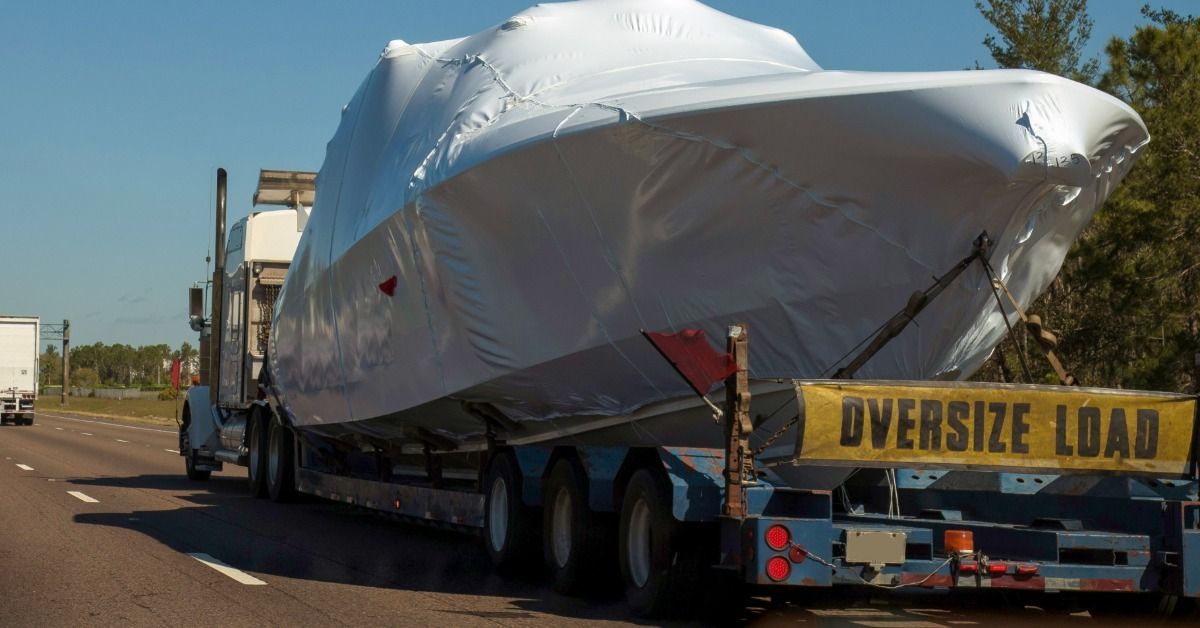
High winds create serious challenges for oversized and high-profile loads because they push against large surfaces. Equipment with height and exposed attachments might react differently in crosswinds than a compact load. A driver must account for those forces while keeping the trailer steady on open bridges and rural stretches.
Wind risk grows when gusts arrive suddenly. A steady breeze is easier to anticipate, but a sharp gust might quickly shift pressure against the load. Transport teams watch wind speed and direction before deciding whether a route remains safe.
High-profile loads might require schedule changes during wind advisories. Waiting for calmer conditions protects the equipment and the driver.
Extreme Heat-Related Risks for Trucks and Heavy Machinery
Extreme heat affects transport in ways that are less visible than storms, but the risks are still real. Long highway miles under high temperatures place strain on truck engines and cooling systems. Heavy loads increase that strain because the truck works harder during acceleration and braking.
Machinery being transported needs attention as well. Heat might affect fluids or rubber components, depending on the equipment type and trip length. Driver safety is part of the planning, too. Heat creates fatigue risk during long transport days, so rest, hydration, and realistic scheduling support better decisions on the road.
Severe Weather Events and Their Effect on Long-Distance Transport
Severe weather events affect long-distance transport because conditions rarely remain confined to a small area. A storm system might affect several states, which turns a simple route adjustment into a broader logistics decision. Dispatchers might need to compare road closures and forecast timing before choosing the best path forward.
Tropical storms, tornado warnings, flash flooding, and severe thunderstorms each create different concerns. The shared problem is uncertainty, since severe weather might change the route and timing details quickly.
For national transport providers, route flexibility is important. Heavy equipment logistics count on planning that responds to conditions without rushing decisions that affect safety.
How Weather Impacts Scheduling and Delivery Timelines
Weather impacts scheduling because transport timing hinges on more than distance alone. A clear route on paper might take longer when snow closes a pass or wind limits safe movement for an oversized load. Delivery windows need room for these realities.
Permits and travel restrictions also influence timelines. Some oversized loads are limited to certain hours or roadways, and weather delays might cause a missed travel window. Customers benefit from understanding that weather-related delays are not signs of poor planning. A transport company that adjusts timing for safety protects the customer’s equipment and everyone along the route.
How Professional Transport Companies Prepare for Weather Challenges
Professional transport companies prepare for weather challenges before the truck arrives for pickup. Planning starts with understanding the load, confirming route requirements, and reviewing conditions that could affect movement. A heavy machine might need a different trailer or securement setup, depending on its size and route.
Weather monitoring continues during the transport process. Dispatchers and drivers might stay in contact as conditions change, which supports better decisions when a storm develops or a road becomes unsafe. Experienced carriers know when to pause. Safety-focused decision-making is an active part of professional transport. One Call Logistics works with licensed and insured carriers who understand the planning required for complex heavy-equipment moves over long distances.
What Customers Can Do To Prepare for Weather-Affected Transport
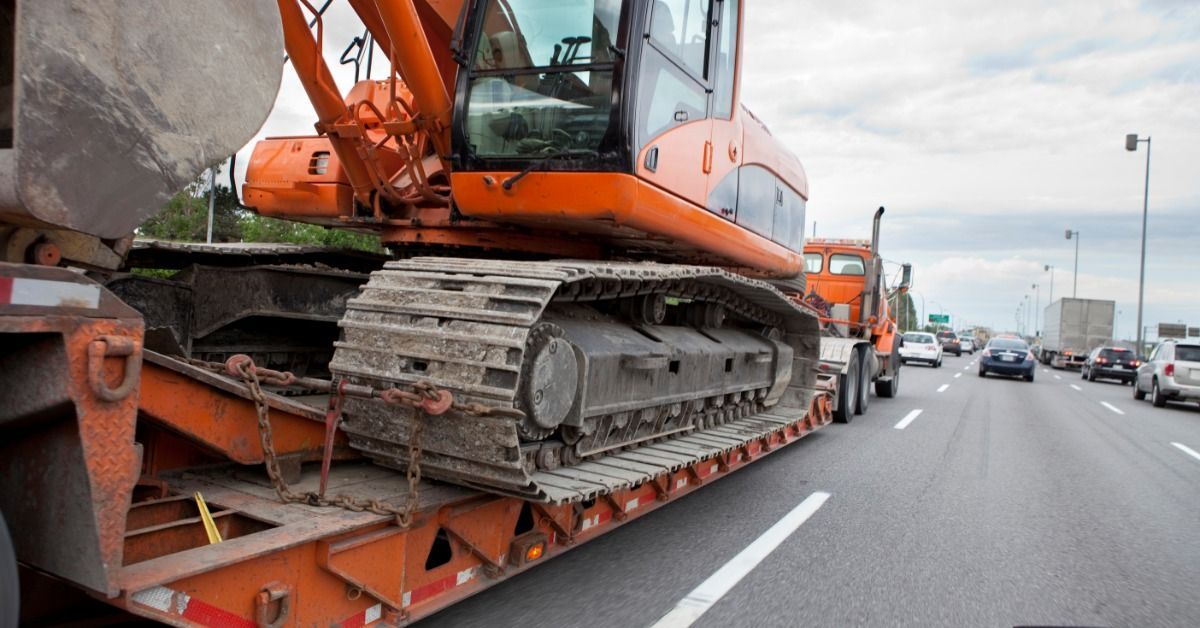
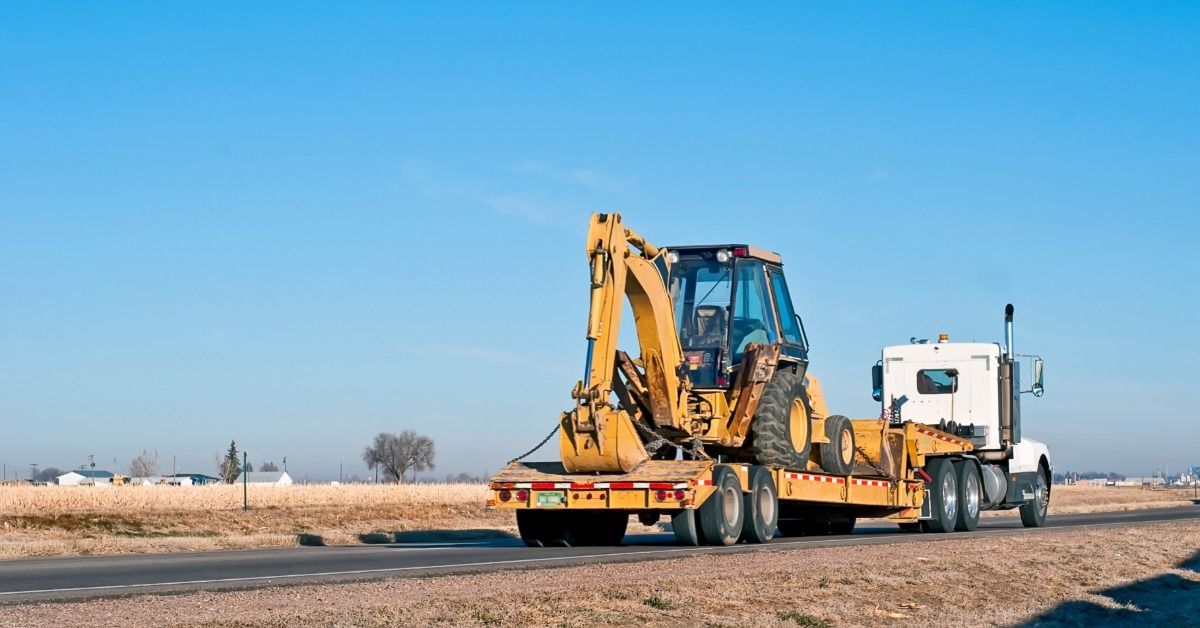
Customers play an important role in weather-affected transport by preparing the equipment and pickup site before the scheduled move. Clear access is important when rain softens the ground or snow limits space around the loading area. A firm, open loading location helps the driver position the truck safely.
Equipment owners need to share accurate details early. Dimensions, attachments, and site limitations ensure the transport team plans correctly. When the weather changes, those details grow even more useful because the driver has fewer chances to improvise safely.
Flexibility keeps the process organized because a short delay might protect the machine from risk. Working with One Call Logistics gives customers a single point of contact for planning and professional coordination when weather affects a heavy equipment move.
Weather belongs in the transport plan from the start and not something to work around at the last minute. How weather impacts heavy equipment transport jobs comes down to one simple reality: safer moves happen when timing, communication, and road conditions are treated as connected decisions. For equipment owners, the right transport partner brings clarity amid forecast uncertainty. One Call Logistics coordinates heavy equipment moves with the planning and responsiveness that changing conditions require.