Marina Pickup vs. Residential Pickup for Boat Transport
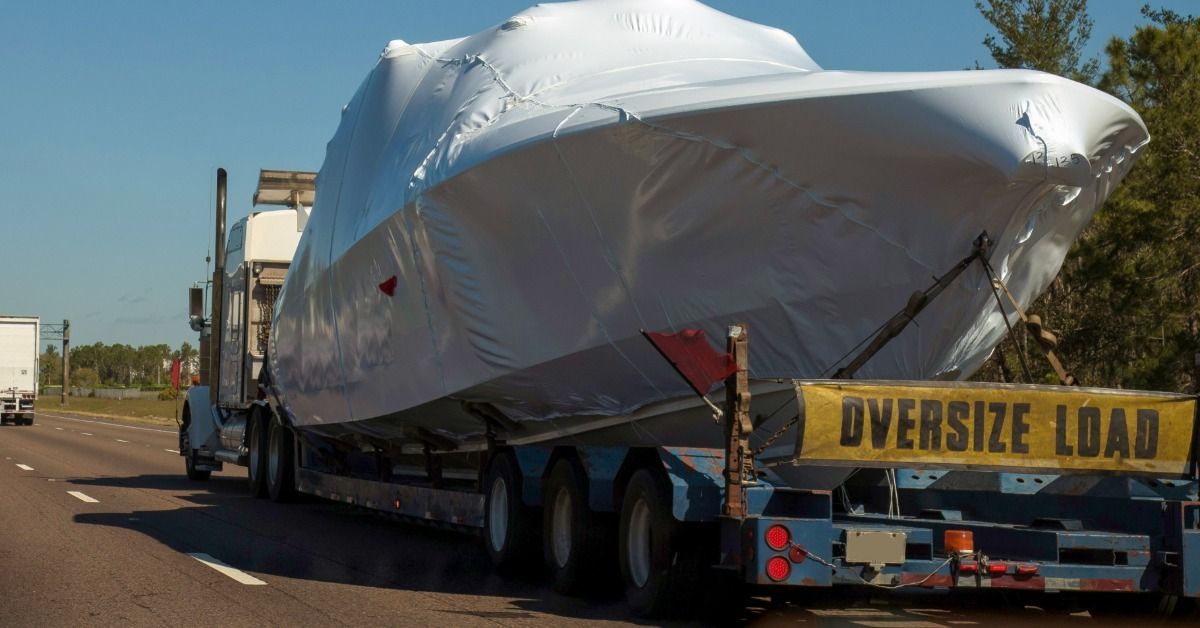
Where a boat begins its overland journey can shape the entire pickup process. A marina may provide marine-specific equipment and staff who regularly handle vessels, while a residential property can introduce questions about trailer access and available maneuvering space.
For boat owners arranging professional transport, the differences between marina and residential pickup for boat transport requires more than just an address. The pickup environment determines how the carrier reaches the vessel, how the boat transitions to road transport, and what coordination needs to happen before the truck arrives.
What Changes When a Boat Is Picked Up at a Marina?
Marinas regularly handle boats, but their capabilities differ from one facility to another. Some locations have equipment that can transfer a vessel from the water onto a transport trailer, while others may offer fewer handling services.
Confirm whether a marina or shipyard has equipment such as a travel lift or crane when those capabilities are necessary for loading. Boat owners should also determine whether a facility provides transportation preparation services. Knowing the facility's capabilities helps clarify where the carrier needs to arrive and how the vessel will be ready for pickup.
Marina Staff May Need To Coordinate With the Carrier
When a marina controls access to the vessel, successful pickup depends partly on coordination between the owner and facility. The carrier may need to arrive during operating hours or follow procedures established by the marina.
Boat owners can reduce uncertainty by contacting the facility before the scheduled pickup. Confirming where the transport vehicle should enter and who will handle the vessel's release gives everyone a clearer plan for the handoff.
If the boat needs marina equipment to reach the transport trailer, the facility and carrier need compatible timing, so the required equipment is available when pickup occurs.
Loading Equipment Can Shape a Marina Pickup
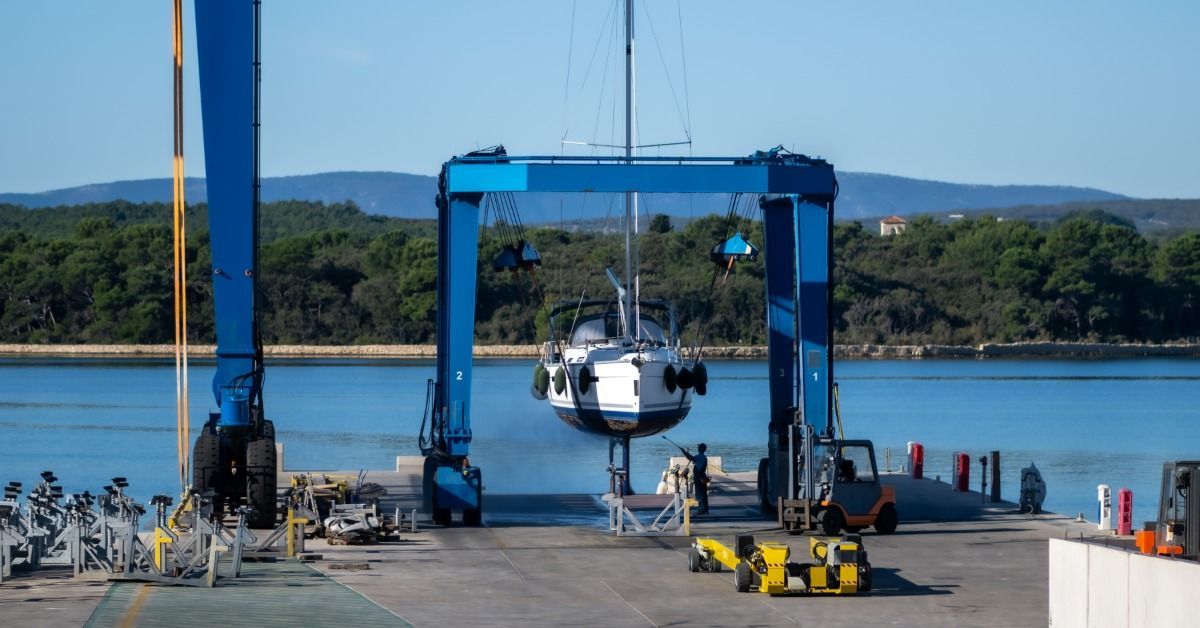
A major advantage of some marina pickups is access to equipment designed specifically for handling boats. Depending on the facility and vessel, a marina may have a forklift, travel lift, or crane available to assist with moving a boat between the water and land.
Having equipment on site doesn't automatically mean the marina will provide the service for a particular pickup. Owners still need to verify availability with the facility and coordinate the timing before transport day.
Once the boat reaches the appropriate loading position, the carrier can proceed according to the transport arrangement. Clear communication ahead of arrival prevents a truck from reaching the marina before the vessel is ready.
Residential Pickup Shifts the Focus to Property Access
At home, the challenge usually changes from marina operations to physical access. The transport vehicle needs a practical way to approach the boat and leave the property after pickup.
A boat stored in a wide driveway with direct street access may present a relatively straightforward situation. Limited driveway width or tight turning space can create a more complicated approach, especially when the transport setup needs additional room to maneuver.
Owners should describe the property accurately when arranging boat hauling services. Photos of the driveway or surrounding street can also give the transportation provider useful context when unusual access conditions exist.
A Boat Already on a Trailer May Simplify the Handoff
Some residential pickups involve boats that already sit on their own roadworthy trailers. That arrangement changes the handoff because the vessel doesn't need a marina lift to move it out of the water. However, the boat's location still has to allow the transport vehicle to reach the trailer and depart safely.
Owners should avoid assuming that an existing trailer makes every residential pickup simple. Access remains a separate consideration, so the provider needs accurate information about the boat's location before scheduling the move.
Street Conditions Matter at Residential Properties
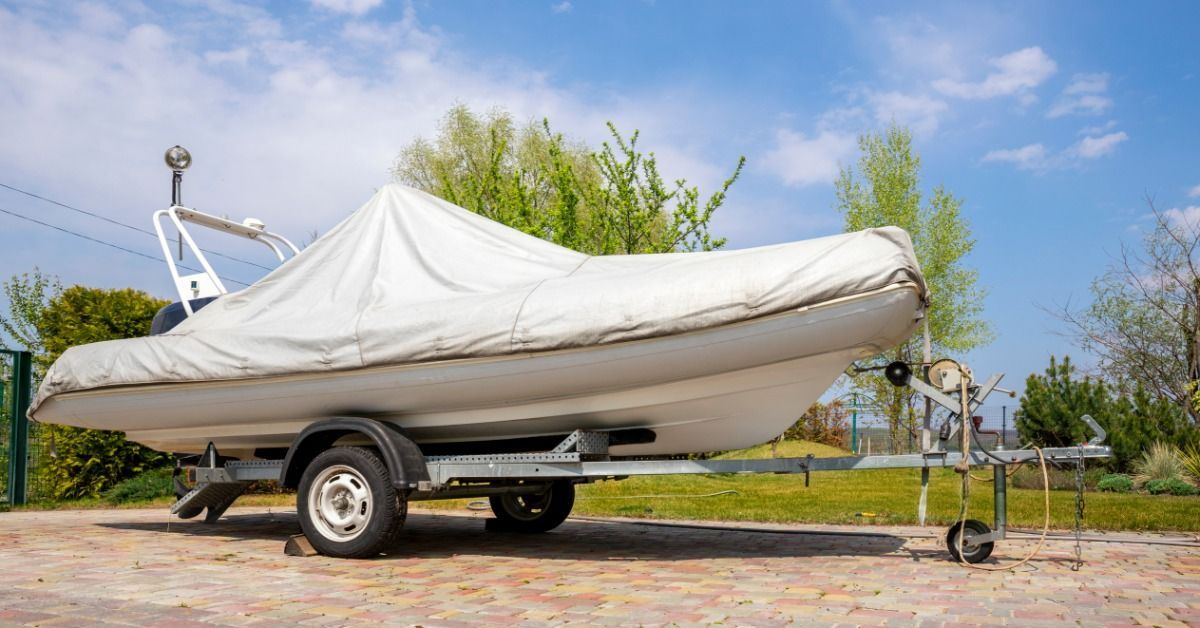
The driveway itself represents only part of residential access. The surrounding street also affects whether the transport setup has enough room to approach the property and maneuver during pickup. A confined residential setting may require more planning when the carrier has limited space around the pickup point.
Providing the pickup address allows the transportation provider to evaluate the location, but owners should also mention unusual conditions they already know about. Advance notice gives the provider an opportunity to discuss access before pickup day.
Preparation Responsibilities Can Differ by Location
Regardless of pickup location, the boat needs to be ready when transportation begins. The pickup location can affect who handles certain steps. A marina may offer preparation-related services, while an owner arranging residential pickup may need to coordinate those needs separately. Since services vary by facility, boat owners should verify what their marina provides before relying on it.
Keeping those responsibilities clear prevents confusion on pickup day. The carrier should arrive with an accurate understanding of the vessel's condition and the planned handoff.
Which Pickup Location Is Better for Boat Transport?
Neither marina nor residential pickup is inherently better for every boat. The more suitable option depends on where the owner keeps the vessel and whether the pickup location can support the required handoff.
A marina can be practical when the boat needs marine handling equipment before road transportation begins. Residential pickup may work well when the vessel is already on land, and the property provides sufficient access for the transport arrangement.
Owners who have flexibility between locations should compare the logistics of each option. The best pickup point is the one that allows the boat to transition efficiently from its current location to the carrier.
Information To Provide Before Scheduling Pickup
Accurate details help the transportation provider evaluate either type of pickup. The process asks customers for the pickup location and a description of the vehicle that includes dimensions, demonstrating the importance of location and size information at the planning stage.
Early communication gives the provider time to plan around the actual pickup environment. It also helps the boat owner determine whether another location would offer a more practical handoff.
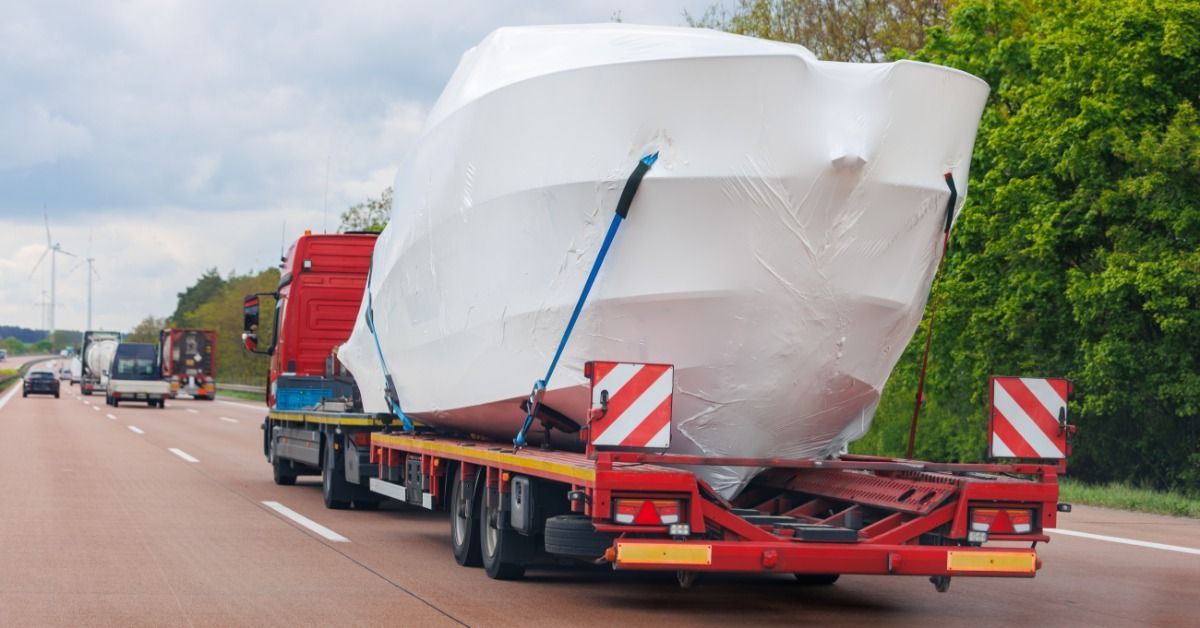
Choosing between marina and residential pickup for boat transport requires looking at how the vessel will reach the carrier. One Call Logistics provides professional boat transportation throughout the continental United States and develops personalized transport solutions based on each move. Contact One Call Logistics to discuss your boat pickup location and request a transportation quote.