Why Job Site Access Matters During Heavy Equipment Transport
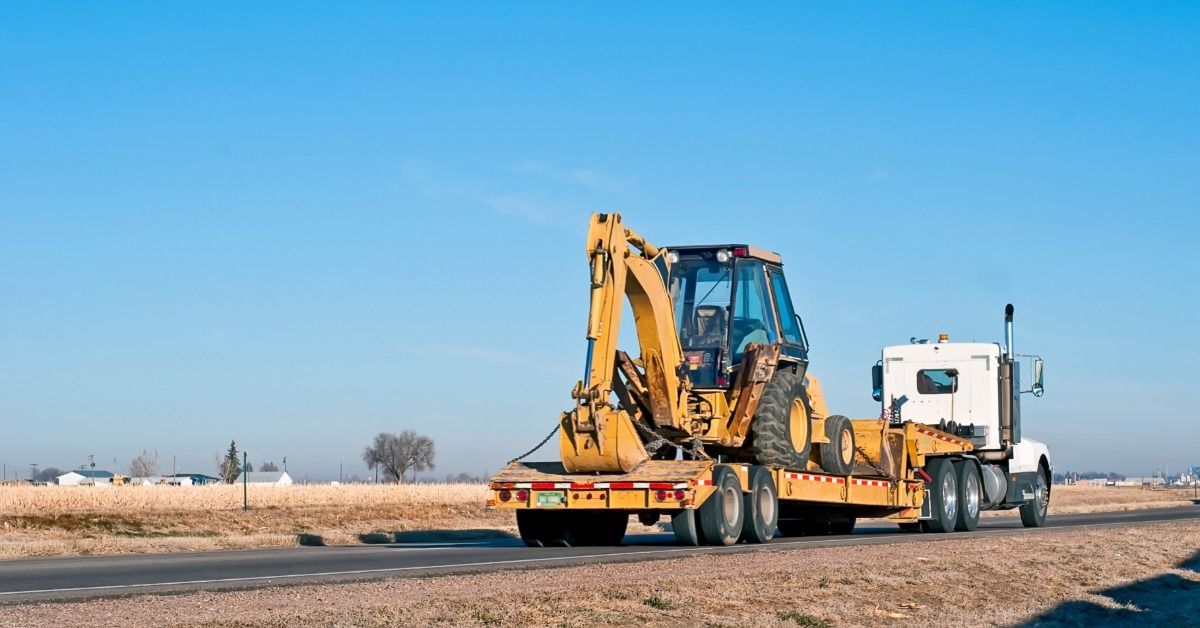
A heavy equipment delivery can reach the job site on schedule and still stall at the entrance. Tight turns, unstable ground, or limited maneuvering space can prevent the transport vehicle from reaching the planned unloading area.
Why job site access matters during heavy equipment transport becomes especially clear during the final stage of delivery. Contractors and equipment owners who evaluate the route through the property before the carrier arrives have more time to identify and address potential access problems.
Site Access Starts Before the Property Entrance
A street address confirms the destination, but it does not describe the route a loaded transport vehicle will encounter near the property. Narrow approach roads or construction activity near the entrance can affect how the driver reaches the site.
Current conditions deserve particular attention because construction environments change as work progresses. An entrance that was clear when transportation was scheduled may have different conditions by delivery day.
Sharing current access information gives the transportation provider a clearer picture of the final approach. Photos can also provide useful context when an entrance or access road has unusual constraints.
Entrance Design Can Affect How a Truck Enters
Large transport vehicles need enough room to approach an entrance and align the trailer with the available opening. Gate width alone may not tell the full story because the truck also needs sufficient space to complete the turn.
The position of the entrance can make that movement easier or more difficult. A gate located close to a tight intersection, for example, may leave limited room for the trailer to straighten before entering.
Evaluating the approach as a complete path provides more useful information than measuring the opening by itself. The transportation provider can then consider how the truck and trailer will move from the road onto the property.
Ground Conditions Can Change the Access Plan
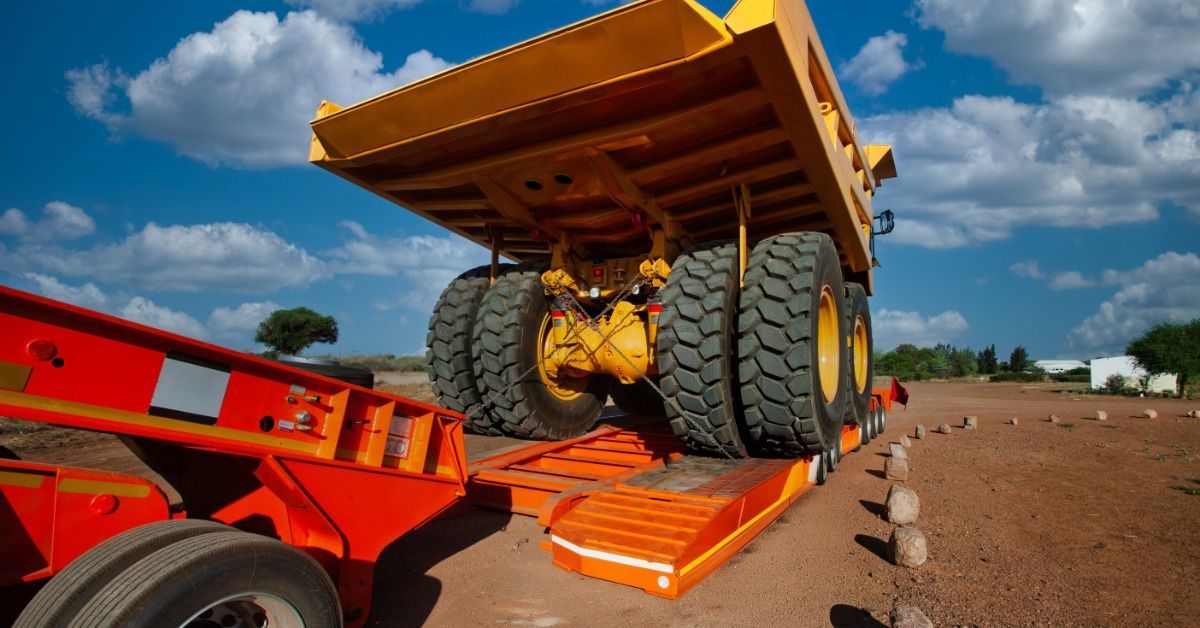
Once a truck leaves a paved road, the condition of the surface can affect whether the vehicle can continue through the site. OSHA notes that construction crews must build and maintain access roadways to safely accommodate the equipment and vehicles using them. Its transportation guidance also warns that soil at newly constructed sites may lack sufficient compaction to support incoming loads.
After rain or ongoing excavation alters the ground, a previously usable path may no longer provide adequate support for a loaded transport vehicle. The route can remain physically open while the surface conditions make access more difficult.
Reviewing the access route on delivery day can help site personnel identify meaningful changes before the truck arrives. When crews communicate those conditions early, the carrier can evaluate whether the planned access route remains appropriate.
Turning Space Extends Beyond the Gate
As work advances, the space available for those movements can become more limited. Materials may occupy previously open areas, while parked machinery can restrict the path between the entrance and unloading location.
Maintaining a clear travel path gives the driver enough room to maneuver the transport vehicle through the site. OSHA guidance for tractor-trailer destinations also emphasizes awareness during backing and recommends using a spotter when appropriate.
Transport Configuration Affects Space Requirements
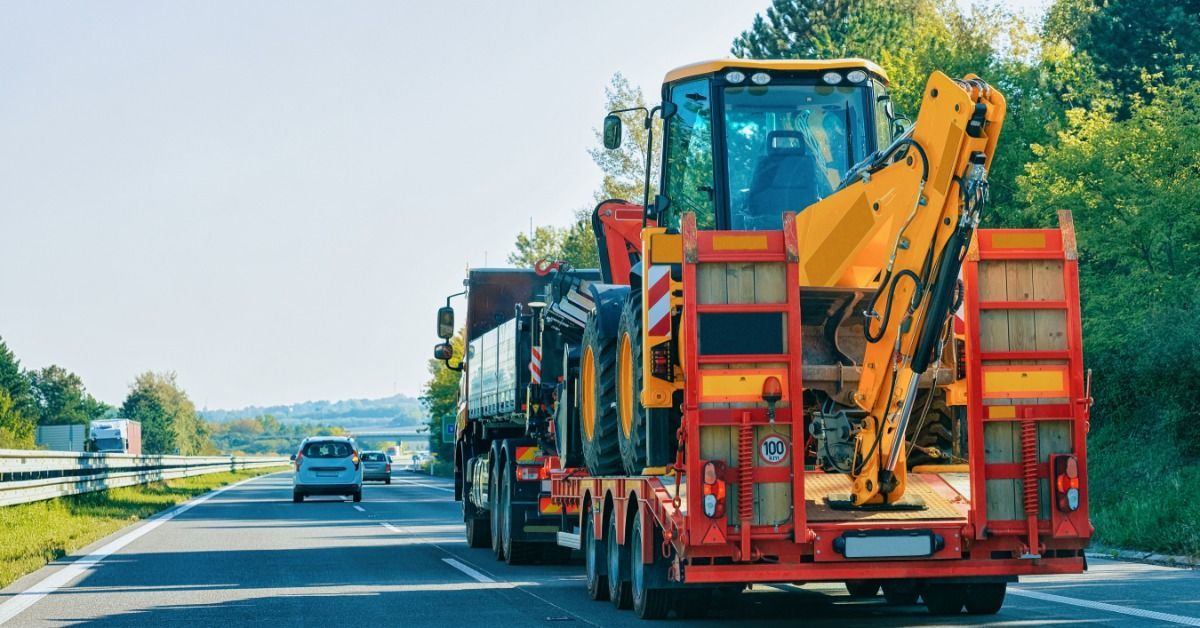
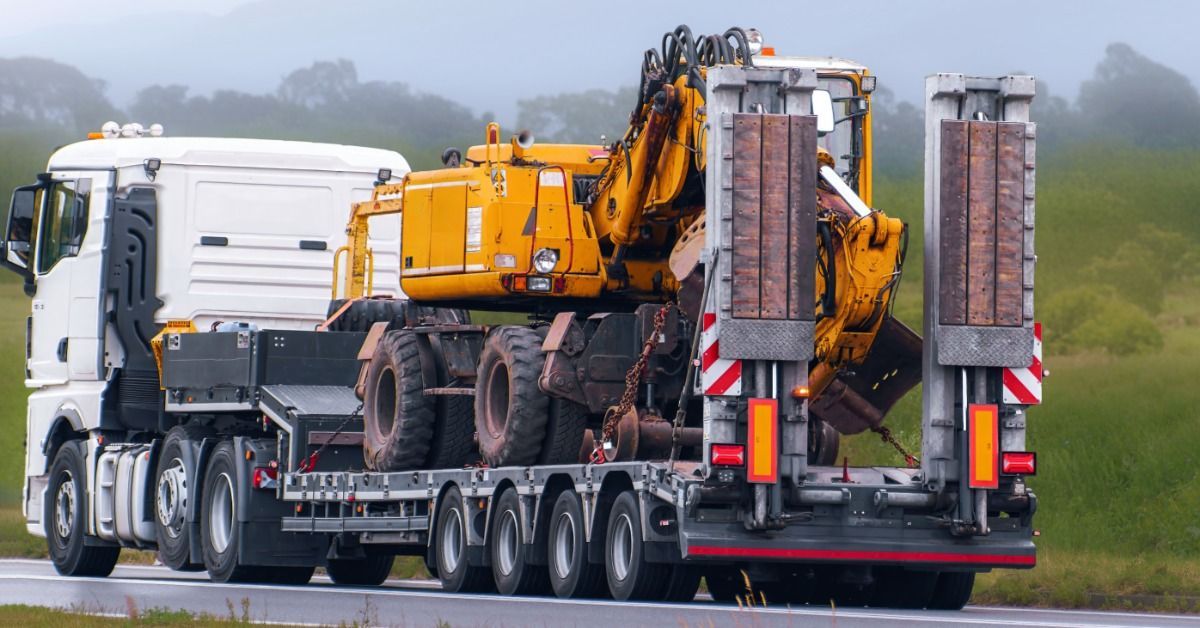
The type of equipment being moved influences the trailer configuration used for the shipment, which can affect how much room the transport vehicle requires. Site personnel should avoid judging access based solely on whether the machine itself could fit through the entrance.
Even when a location regularly accommodates work trucks, the complete transport setup may require additional room to reach the unloading point. A longer transport combination can create access challenges that smaller vehicles do not encounter.
Discussing access before scheduling heavy equipment transport helps connect the site conditions with the vehicle expected to make the delivery. That conversation is especially useful when the property has a tight entrance or limited interior space.
Unloading Needs a Workable Staging Area
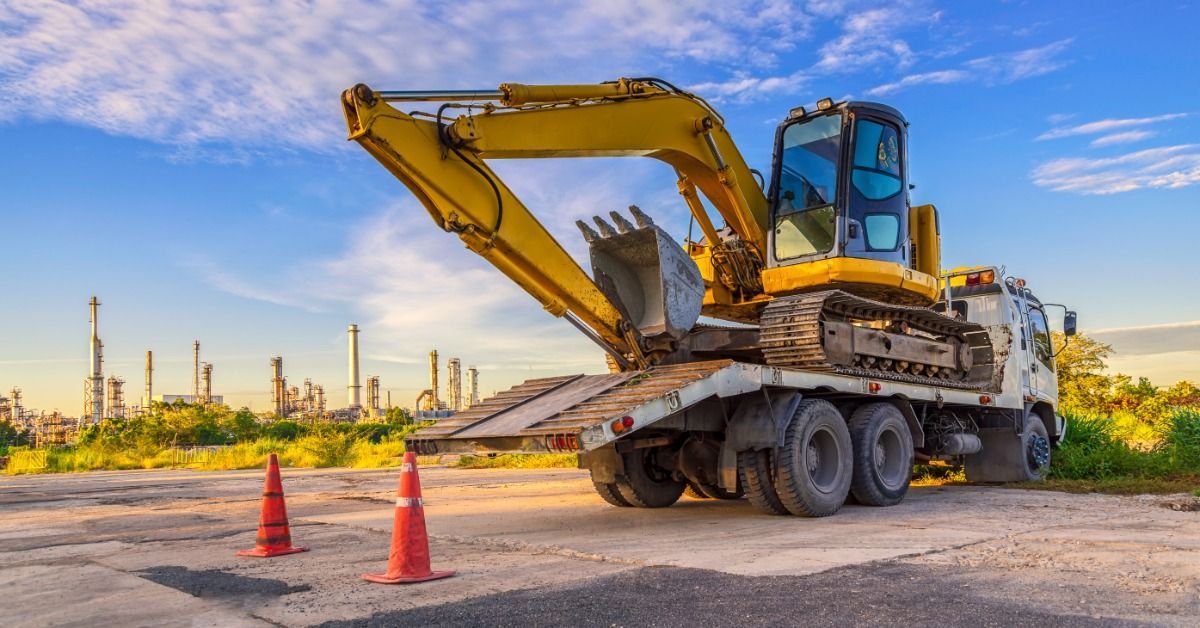
The final destination on the property should provide enough room for the transport vehicle to position for unloading. OSHA guidance for equipment transportation recommends level surfaces for loading and notes that newly constructed access roads and pads should be properly prepared before incoming loads travel over them.
The unloading method can also affect the space needed around the trailer. Equipment that can move off under its own power requires a usable path away from the transport vehicle. A shipment requiring separate unloading equipment may call for a different staging arrangement.
Identifying the unloading location before arrival allows the receiving crew to evaluate whether the area remains accessible. It also reduces the chance that the driver will reach the site without a practical place to position the trailer.
Active Job Sites Can Change Before Delivery
Construction sites rarely remain in the same condition throughout a project. Work zones can shift as crews complete one phase and begin another.
A final access check shortly before delivery can catch those changes. The site contact can then provide updated information while there is still time to address an obstruction.
Poor Access Can Disrupt the Delivery Window
Even when highway travel proceeds according to plan, conditions at the destination can create an unexpected delay. If the driver cannot reach the unloading area, the delivery may have to wait while crews clear the access path.
By coordinating access in advance, site personnel can reduce avoidable waiting once the carrier arrives. Confirming the access route and unloading location gives the receiving crew an opportunity to resolve visible problems before the truck reaches the site.
What Should You Check Before the Equipment Arrives?
A useful access review follows the path the transport vehicle will actually take. Begin with the approach from the public road, then continue through the property to the planned unloading location.
Look for conditions that have changed since the transportation provider scheduled the move. Construction activity or recent weather may affect a route that previously appeared suitable.
The transportation provider should also have a site contact who can respond if conditions change close to arrival. Clear communication makes it easier to address an access question before the truck is already waiting at the entrance.
Plan Job Site Access Before Heavy Equipment Delivery
Knowing why job site access matters during heavy equipment transport helps prevent the destination from becoming the weak point in an otherwise well-planned move. The carrier needs a workable route onto the property and sufficient space to complete the delivery.
Reviewing site conditions before arrival gives the receiving crew time to address access concerns while keeping the carrier informed. For professional heavy equipment transportation, contact One Call Logistics to discuss the delivery location and requirements for your move.