The Differences Between Class A, B, and C Motorhomes

Motorhomes have captured the hearts of travel enthusiasts and adventurers alike. They epitomize mobile living, blending superior convenience with the excitement of constant exploration. But when it comes to choosing the right motorhome for your future excursions, understanding the distinct features and benefits of each class is crucial. Let’s explore the differences between Class A, B, and C motorhomes to determine which option best suits your traveling style.
The Majestic Class A Motorhome
Class A motorhomes stand as the titans of the RV world. Known for their luxurious amenities and spacious interiors, they are true homes on wheels. With stretch models reaching up to 45 feet in length, these giants spare no expense when it comes to comfort. Equipped with multiple slide-outs, full kitchens, bedrooms, and bathrooms, Class A motorhomes offer an unparalleled experience of comfort, especially for long-term living on the road.
These motorhomes are ideal for families or groups who want to travel in style, as they come complete with entertainment centers, large storage compartments, and often the option of a washer and dryer. However, their size can be a disadvantage in city driving and might limit access to more remote locations or smaller campgrounds. Fuel efficiency and upfront costs are typically higher, making Class A motorhomes a significant investment best suited for full-time luxury travelers.
The Versatile Class B Motorhome
Compact but full of character, Class B motorhomes, often referred to as camper vans, are a great choice for those looking for a nimble and fuel-efficient travel option. These van-style vehicles are built on a standard full-sized van chassis and offer the convenience of mobility while still providing essential living amenities. Despite their smaller size, Class B motorhomes cleverly utilize space to include kitchenettes, sleeping areas, and even shower units.
They excel in offering a more discreet travel experience, allowing access to parks and urban areas where larger RVs can’t go. Class B vehicles are the perfect choice for solo travelers, couples, or small families looking to strike a balance between comfort and maneuverability. Although these motorhomes may not boast the same space or lavish features as their larger counterparts, their practicality and lower purchase and operational costs make them an attractive choice for many.
The Compact Class C Motorhome
Sitting comfortably between Class A and Class B, the Class C motorhome is a happy medium for those who appreciate both size and accessibility. These motorhomes are characterized by their distinctive alcove over the driver’s cabin of the towing vehicle, which often serves as an additional sleeping area. With a varied range of lengths, Class C motorhomes typically offer more living space than a Class B but are easier to handle than a Class A.
They’re a popular choice for smaller families or a group of friends, offering an increase in amenities without overwhelming dimensions. The over-vehicle compartment provides more space for storage or additional sleeping quarters. While not as opulent as a Class A, the price point and operational costs of these motorhomes are often more manageable, making them an excellent option for the average leisure traveler.
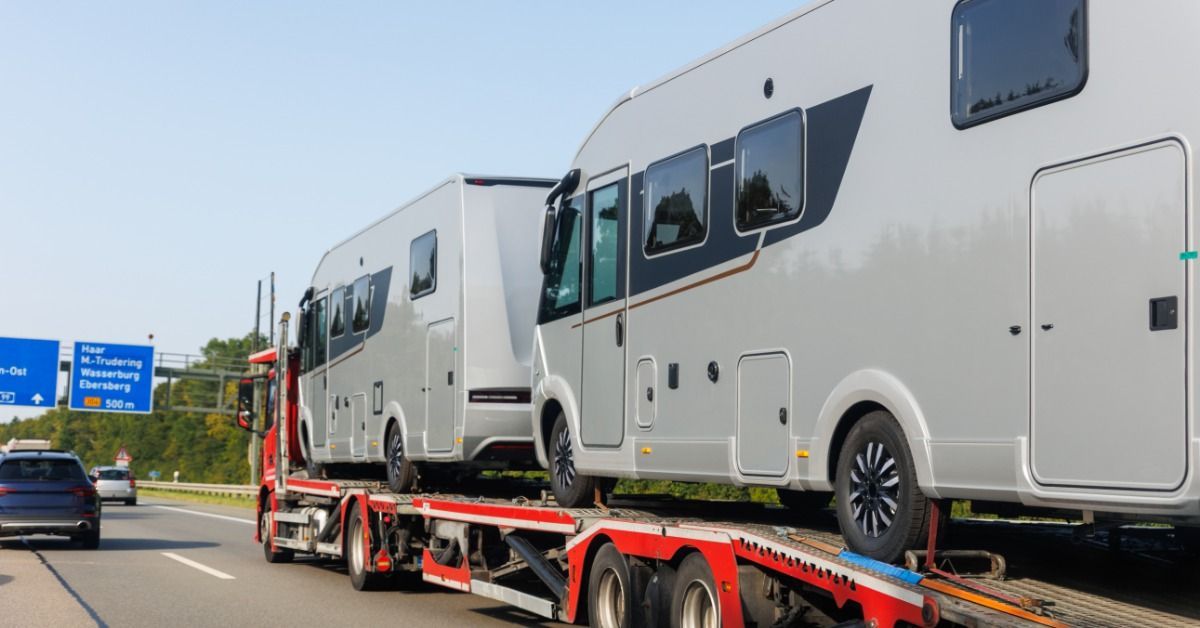
With distinct differences between class A, B, and C motorhomes, it’s important to do your research to find the best option for your needs. If you’re ready to purchase an RV and need to move it safely, we at One Call Logistics offer professional RV transportation services. Contact us today to learn more about our personalized relocation solutions.