Can Your Vehicle Tow a Boat? A Brief Guide to Tow Capacity
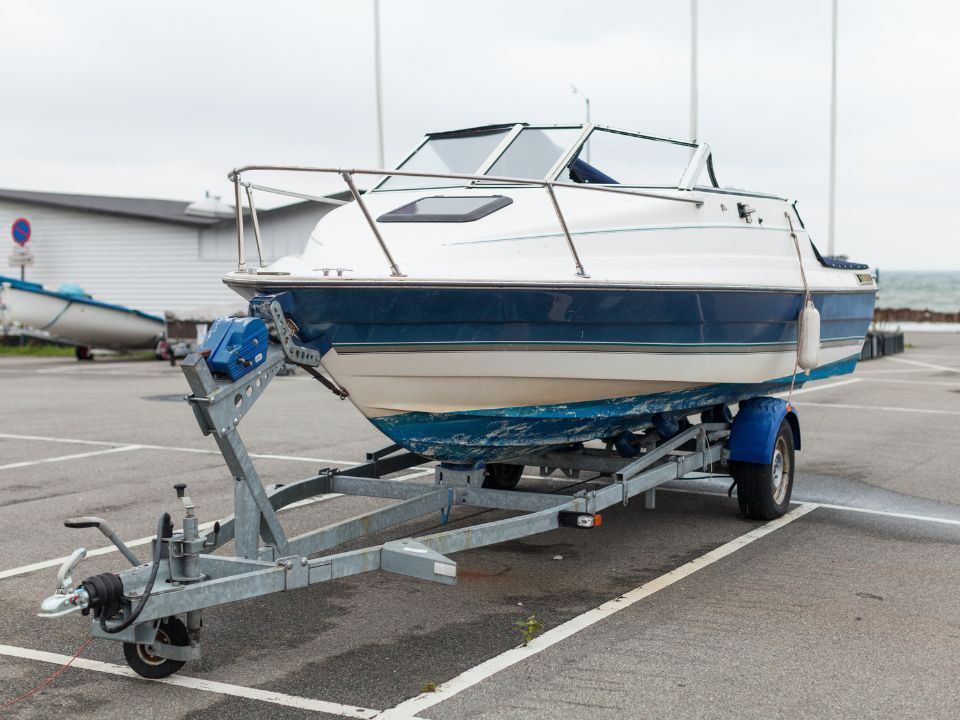
For boat enthusiasts, the thrill of the open water is an endless source of adventure and relaxation. But before you can experience the unbridled joy of cruising, there’s a critical question you need to consider—can your vehicle tow a boat? Understanding your vehicle’s towing capacity is more than just a matter of convenience. It’s a vital aspect of safety and legal compliance, ensuring that your vessel reaches the water’s edge without a hitch. In this brief guide to tow capacity, we’ll examine the considerations you must keep in mind to determine whether your vehicle can tow a boat.
Understanding Tow Capacity
Tow capacity refers to the maximum weight a vehicle can safely tow. Exceeding this limit compromises the vehicle’s braking, handling, and engine power, leading to safety hazards for both the driver and other road users. There are several critical factors that influence a vehicle’s tow capacity, including the requirements of the specific boat, the vehicle’s powertrain and suspension, and the towing equipment.
Every vehicle differs in terms of towing capacity, so you need to check the gross vehicle weight rating (GVWR) of the specific make and model. You can find the sticker on the driver-side door jam. Additionally, you must ensure your vessel doesn’t exceed your vehicle’s tow capacity. In general, most towing vehicles can handle a boat that weighs between 1,000 and 2,000 pounds.
Determining Your Vehicle’s Tow Capacity
Knowing your vehicle’s tow capacity is not just a matter of checking a single number. It’s a process that involves assessing various elements to ensure a safe towing experience. This means looking beyond what’s printed in the owner’s manual and utilizing resources like online tow calculators.
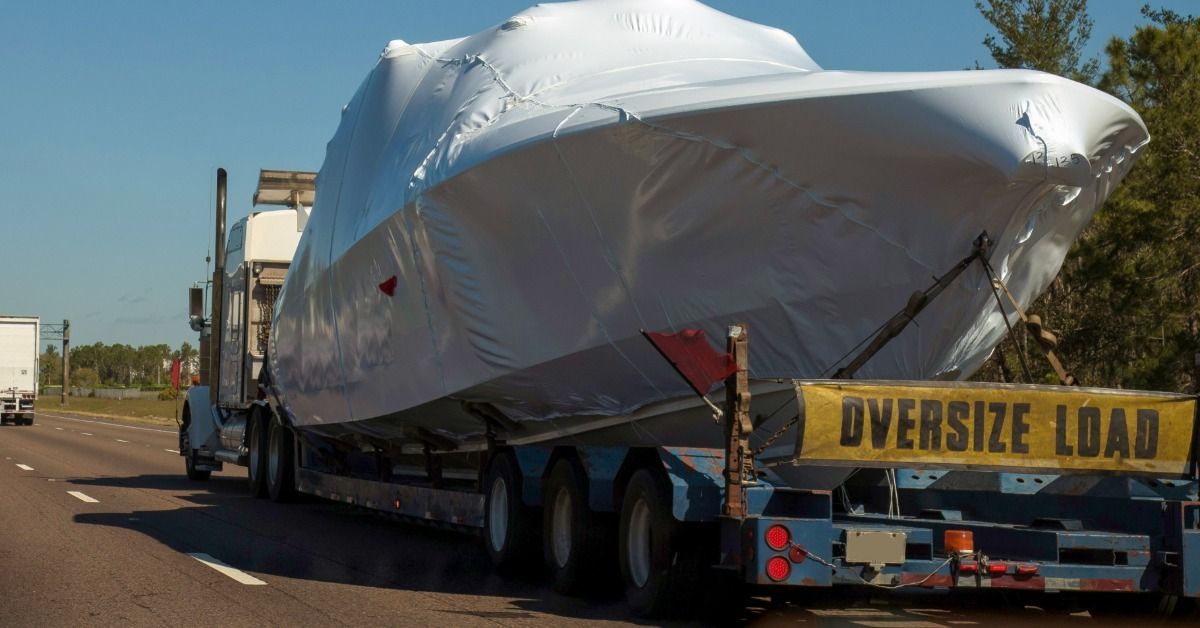
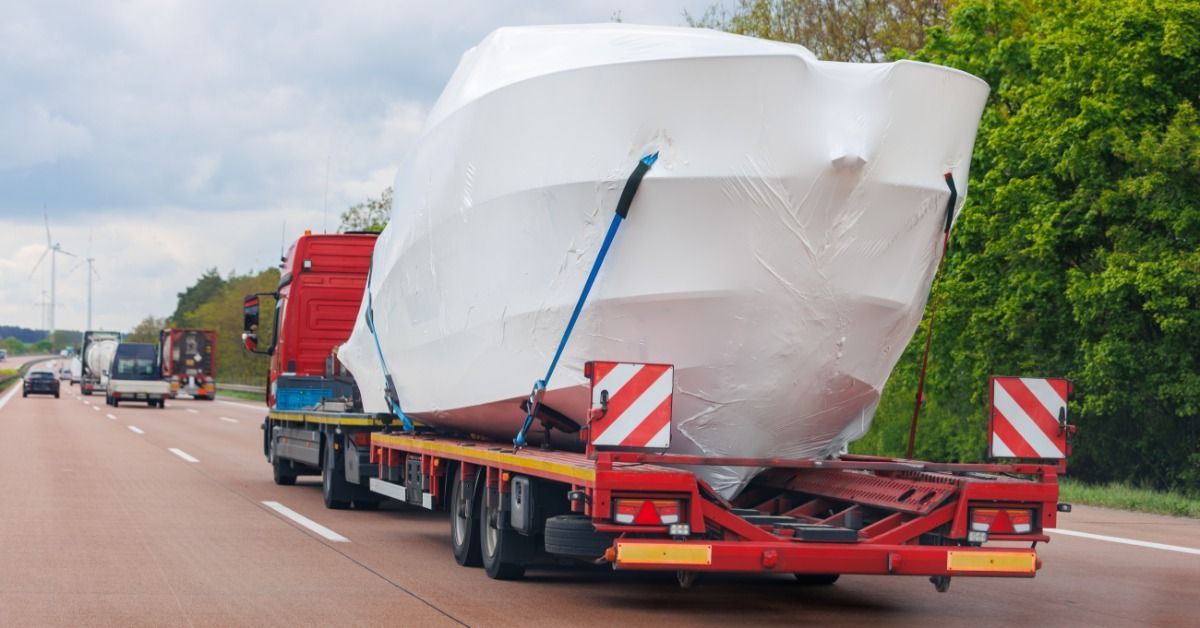
You can also seek advice from towing professionals who can consider all the specifics of your vehicle and the boat you intend to tow. If your vehicle isn’t prepared to handle the capacity of your boat, our fully licensed and insured drivers at One Call Logistics offer top-notch boat hauling services. Our drivers are up to date on all the United States Department of Transportation regulations, so we can move your vessel with ease.
Following Safety Tips for Towing a Boat
Safety should be the compass guiding all towing endeavors. Proper hitching, loading techniques, and regular maintenance of towing equipment can mitigate risks significantly. Additionally, understanding the different dynamics of driving with a load can make a vast difference in emergency situations or under changing road conditions.
Choosing the Right Vehicle for Towing
When shopping for a car or truck with the intention of towing a boat, it’s essential to consider vehicles designed with towing in mind. Look for features like heavy-duty suspension, a powerful engine, and integrated towing packages. Luckily, there are many models equipped with these features, so you should have no trouble finding a vehicle that accommodates your boat.
With this brief guide to tow capacity, you can determine whether your vehicle can tow a boat. Understanding your vehicle’s towing abilities is more than just a technicality; it’s a safety imperative that ensures the protection of your family, fellow drivers, and your beloved boat. Invest the time into learning your vehicle’s towing capacity, follow proper practices, and never underestimate the importance of a capable towing vehicle. When in doubt, contact the experts at One Call Logistics—we’re standing by to help you transport your vessel.