A Brief Guide to Tying Down Equipment for Transport
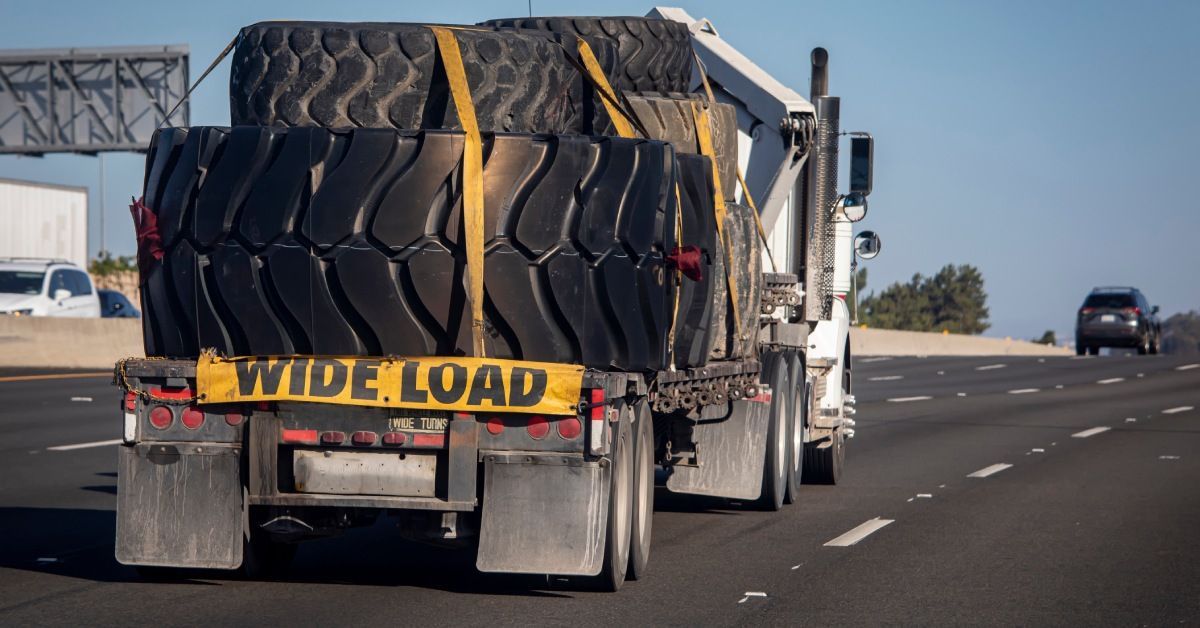
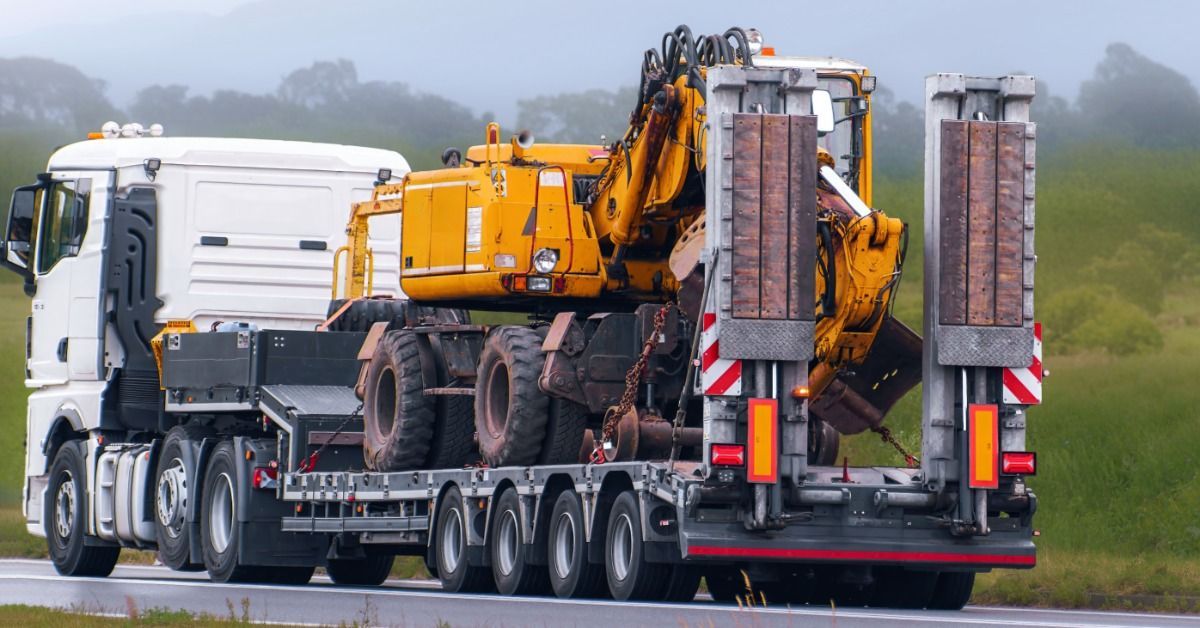
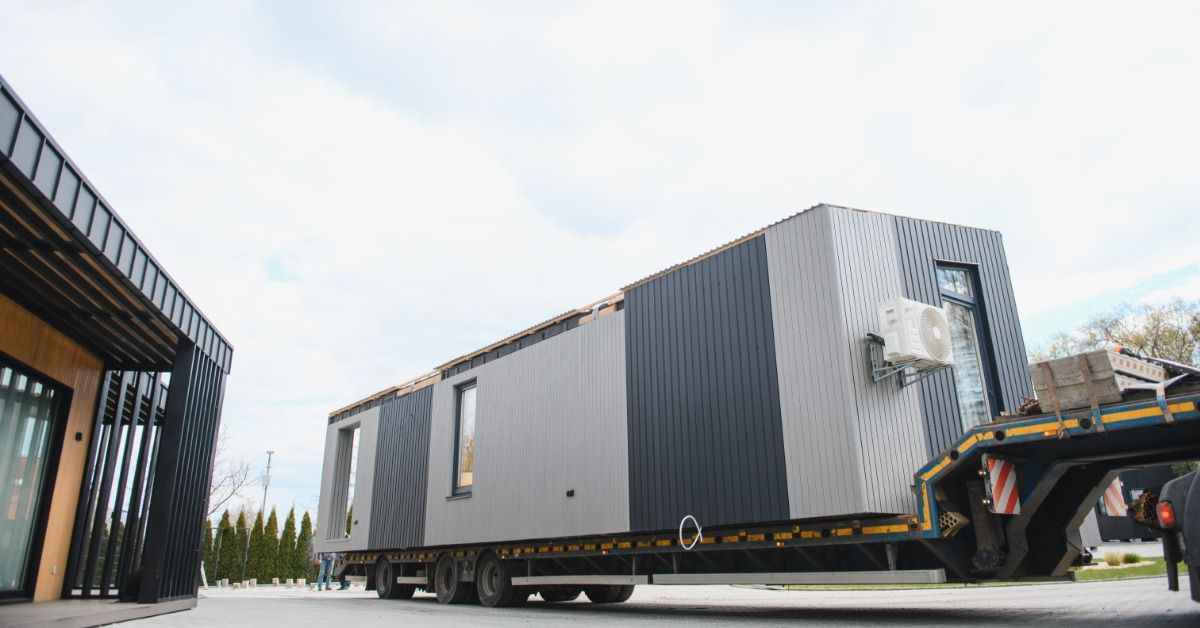
Whether you’re moving construction machinery, agricultural tools, or other heavy-duty equipment, knowing how to tie down the load can make all the difference in safely transporting oversized loads. Keep reading this brief guide to tying down equipment for transport.
Understanding the Importance of Proper Tie-Down Techniques
Improperly secured loads can shift during transit, leading to potential accidents, damage to the equipment, and even legal repercussions. Knowing the right techniques and materials to use will ensure your equipment arrives at its destination in perfect condition.
Choosing the Right Tie-Down Equipment
The first step in securing your load is selecting the appropriate tie-down equipment. This includes ropes, straps, chains, and tensioning devices. Each type of tie-down has unique applications and advantages. For example, straps are ideal for relatively lightweight loads and are easy to handle, while chains are ideal for heavy equipment due to their strength and durability.
Assessing the Weight and Dimensions of Your Load
Before you begin tying down your equipment, assess the weight and dimensions of your load. This information will help you determine the number and type of tie-downs required. Overloading a tie-down can cause it to fail, so ensure the tie-downs can handle the weight of the load.
Planning the Tie-Down Points
Planning is essential for effective load securing. Identify the best points on your equipment for attaching tie-downs. They should be strong enough to withstand the tension without damaging the equipment. Avoid using parts not designed to bear such loads, as this can lead to equipment failure and accidents.
Using the Correct Tie-Down Technique
After choosing the tie-down equipment and planning your tie-down points, it is time to secure your load. Your technique will depend on the type of equipment and the transport method. For example, if you use straps, evenly distribute and tighten them to the appropriate tension.
Checking for Legal Requirements and Regulations
Familiarize yourself with load securing requirements in different regions you’ll be visiting and/or passing through to avoid legal issues and ensure the safety of your transport. Check for regulations related to the type of equipment you are transporting, the number of tie-downs required, and securing methods mandated by law.
Using Additional Safety Measures
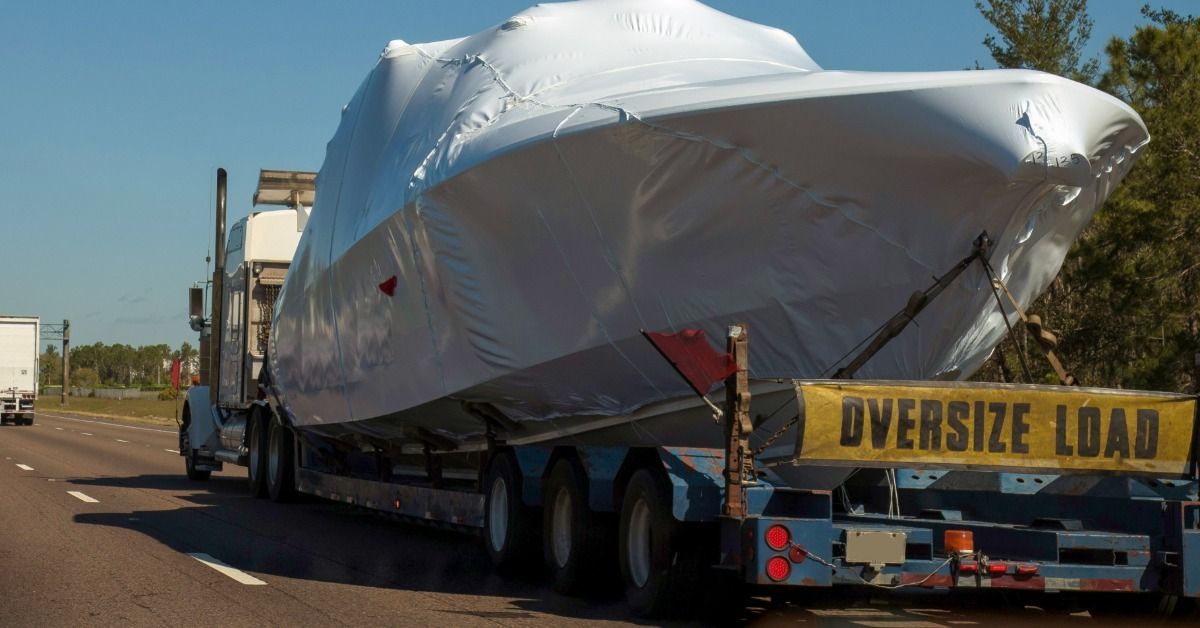
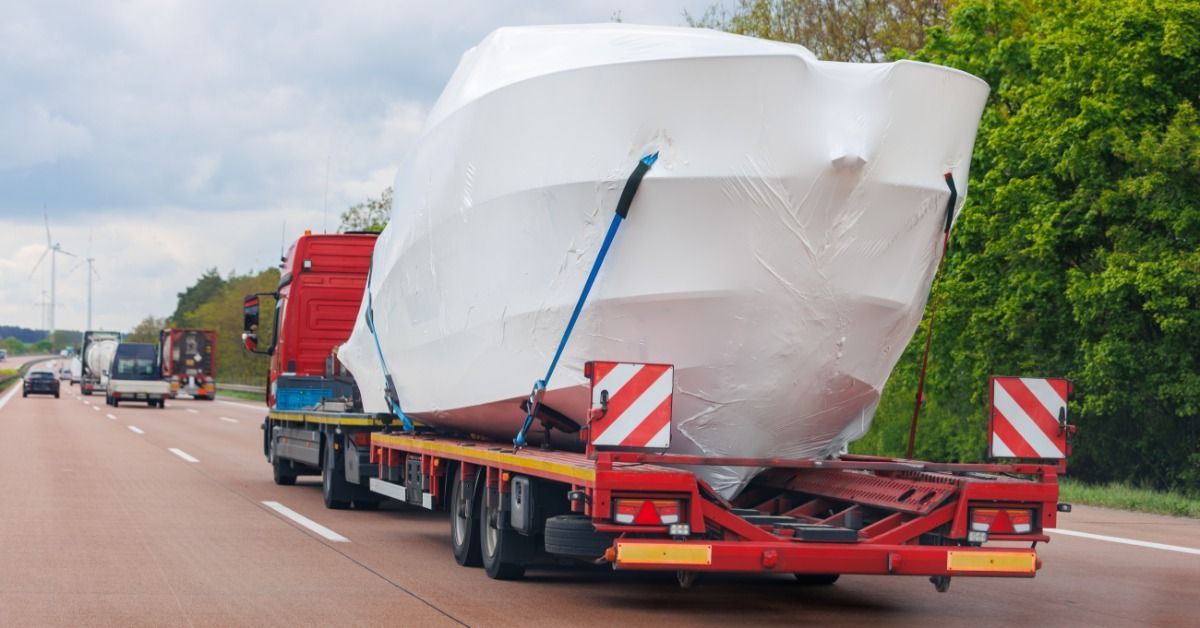
Consider using additional safety measures, such as edge protectors, anti-slip mats, and warning flags. Edge protectors prevent tie-downs from cutting into your equipment, while anti-slip mats keep the load in place. Warning flags and signs on the sides and back of the transport vehicle can alert other drivers to your oversized load, reducing the risk of accidents.
Securing oversized loads is a critical part of safely transporting them. With this brief guide to tying down equipment for transport, you can ensure the safe, successful transport of your loads.
If you have a heavy, oversized load to transport, consider working with a professional national transport company like One Call Logistics. We will properly tie down and transport your cargo to its destination!