Advantages of Nationwide Equipment Transport
Moving heavy machinery across state lines requires coordination that accounts for more than the distance between pickup and delivery. Equipment specifications influence transportation arrangements, while the route determines which restrictions and requirements may apply.
For businesses managing machinery across different locations, the advantages of nationwide equipment transport become especially relevant when evaluating how to move equipment efficiently. Broad geographic coverage creates opportunities to coordinate distant shipments through a transportation provider familiar with interstate hauling requirements.
Nationwide Coverage Connects Distant Equipment Markets
Businesses purchasing heavy machinery aren't always limited to equipment available within their immediate region. Construction companies may find suitable machines at out-of-state dealerships, while industrial businesses may purchase equipment from sellers operating in distant markets.
Nationwide transportation coverage allows buyers to consider machinery beyond their local service area. Once a business identifies equipment that meets its needs, transportation can connect the seller's location with the intended destination.
Support Equipment Purchases Across State Lines
An out-of-state equipment purchase introduces a transportation decision before the machine reaches its new owner. Buyers must determine whether the equipment can travel to the destination and what arrangements the shipment requires.
A nationwide transportation provider can evaluate the proposed route and machinery specifications during the planning process. Buyers can use that information to assess the transportation arrangements associated with receiving equipment from a distant seller.
Centralized Coordination Creates a Consistent Transportation Process
When machinery travels between states, the pickup and delivery locations may operate under different procedures. A construction site might restrict access during active work, while a commercial equipment yard may require carriers to arrive during designated receiving hours.
Coordinating the shipment through one transportation company gives customers a central contact for communicating those requirements. The provider can gather location-specific information and relay relevant details to the carrier handling the move.
A consistent communication process also helps businesses manage changes that arise before transportation begins. If a facility adjusts its receiving schedule, the customer can communicate the update through the same transportation contact.
Keep Pickup and Delivery Arrangements Aligned
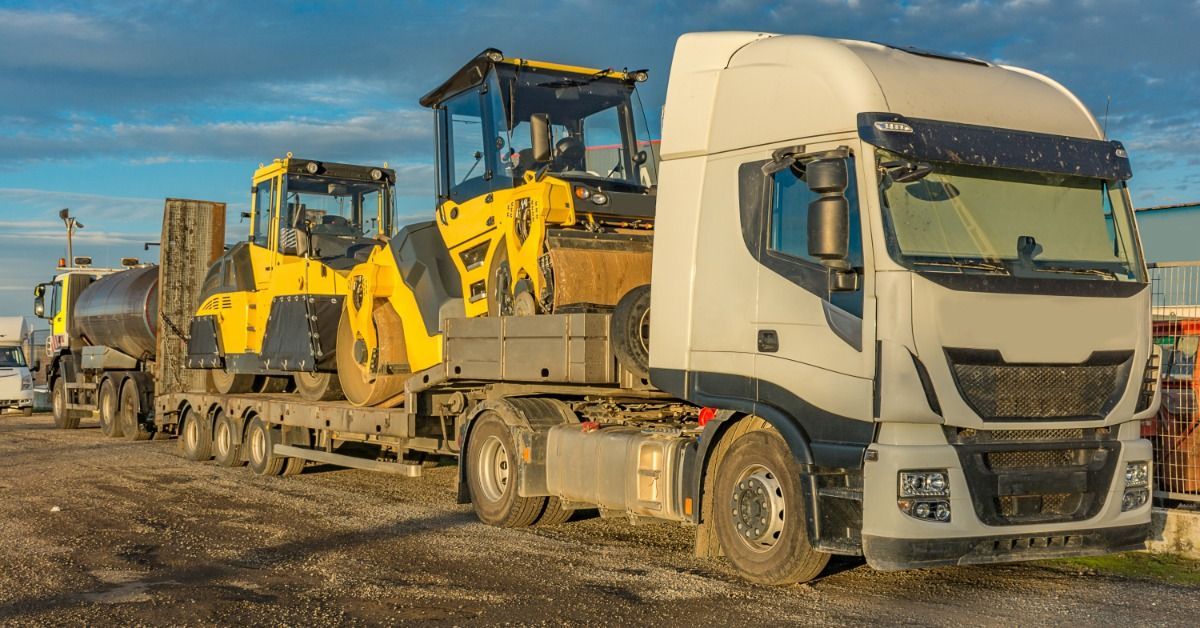
A shipment's origin and destination each influence how the transportation company coordinates the move. The pickup location must accommodate the carrier's arrival, and the receiving location needs sufficient access for delivery.
When these locations operate independently, a centralized coordinator can help communicate the arrangements to the parties involved. Clear information reduces the likelihood of misunderstandings about where the carrier should arrive or whom to contact.
Broader Carrier Networks Increase Transportation Options
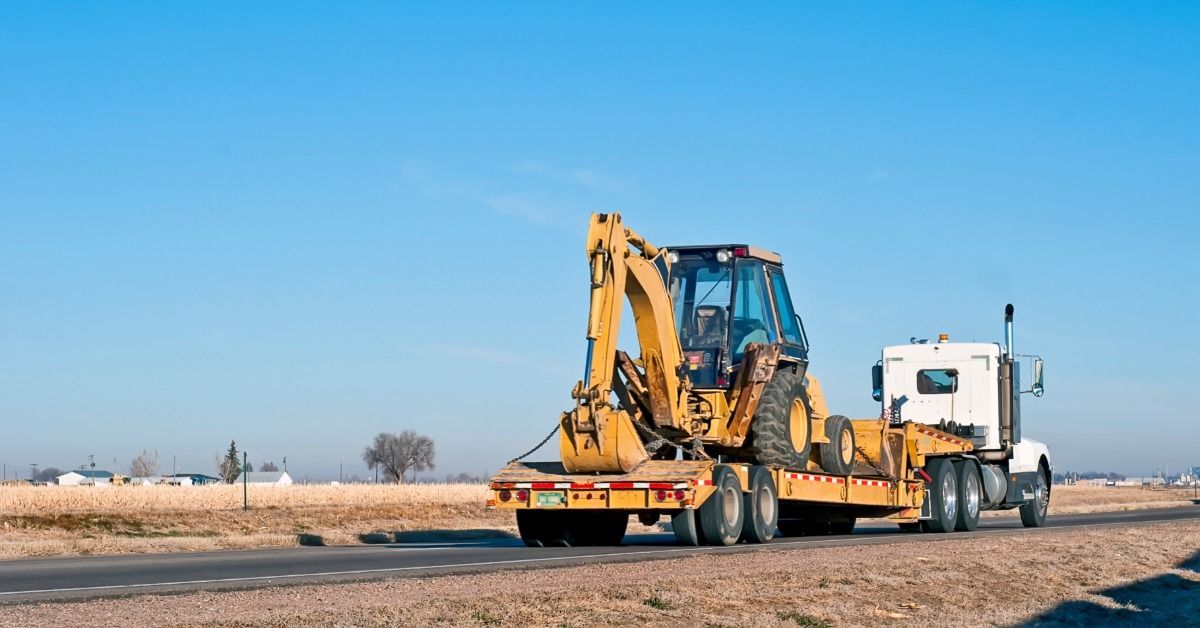
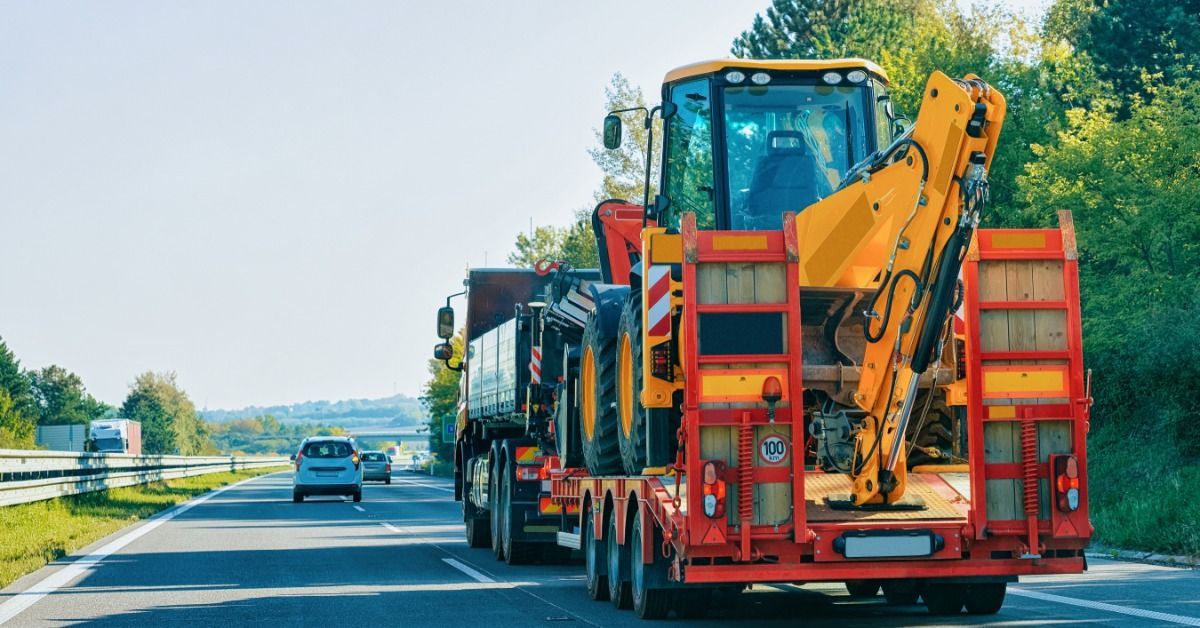
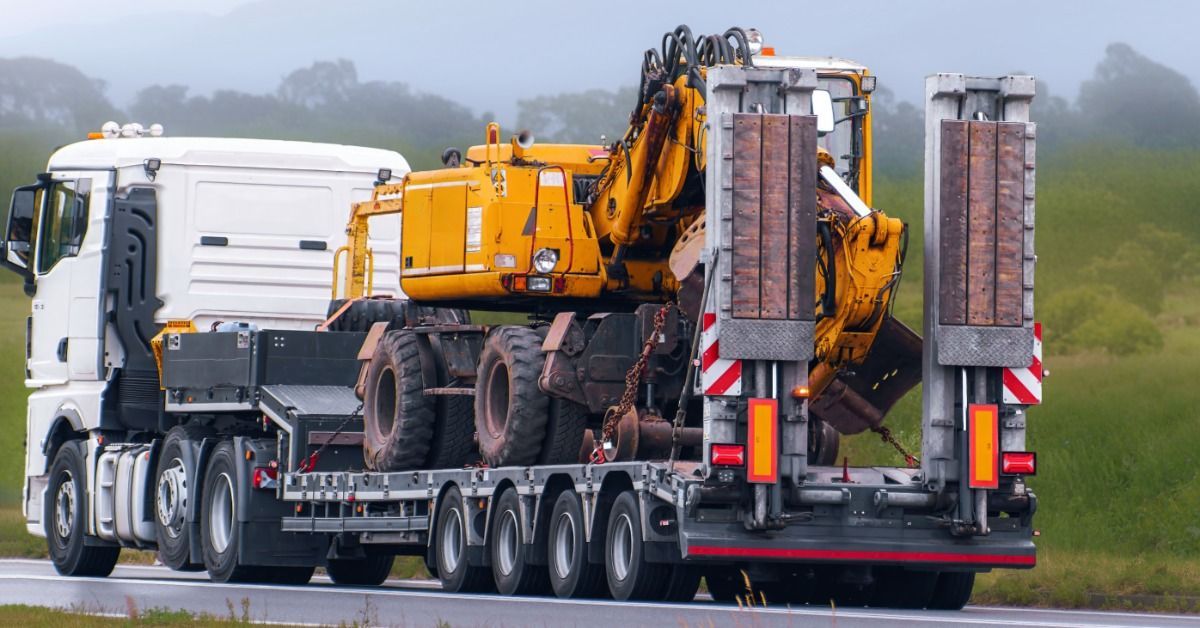
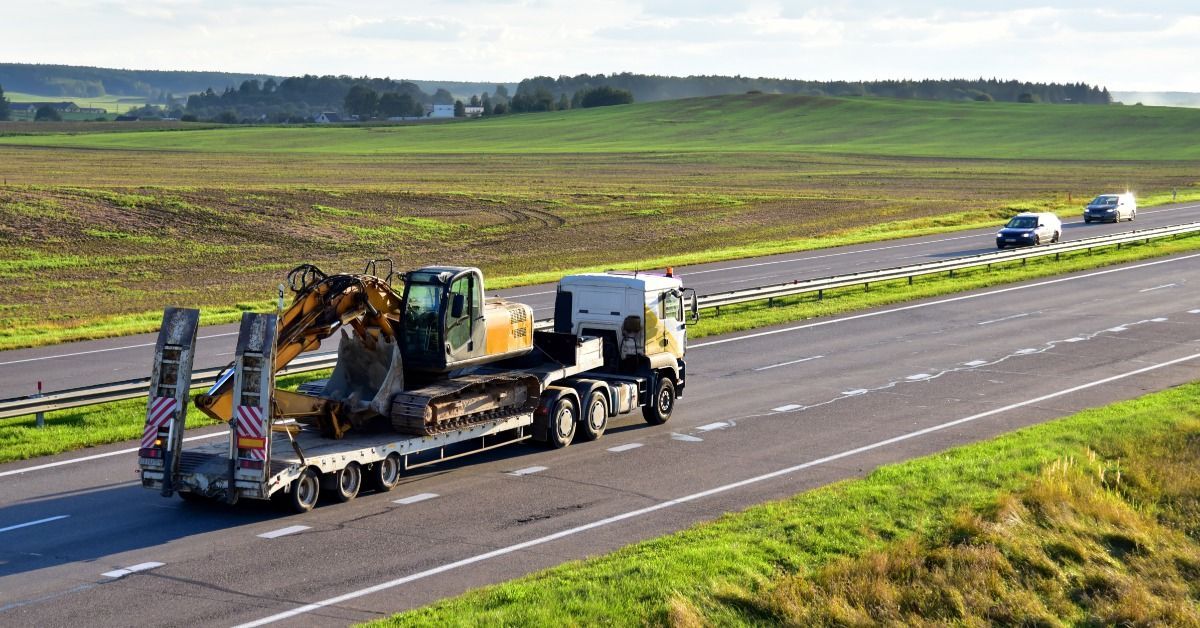
Heavy equipment varies significantly in dimensions and hauling requirements. A compact machine may fit on a conventional flatbed trailer, while larger machinery could require a lowboy or another specialized trailer configuration.
Nationwide transportation providers may have access to carriers serving different regions and equipment categories. A broader network can increase the range of transportation options available when a shipment requires hauling capabilities.
However, access to more carriers doesn't guarantee immediate availability or compatibility with every machine. The transportation company must still evaluate the equipment and determine whether an appropriate carrier can accommodate the proposed shipment.
Match Carrier Capabilities to Equipment Requirements
A machine's operating weight doesn't always represent its complete transportation weight. Installed attachments or other components may affect the specifications that a carrier needs to evaluate.
Trailer capacity and configuration also influence transportation suitability. A carrier must consider the equipment's dimensions and loading requirements when determining whether its hauling equipment can accommodate the machine.
Providing complete equipment specifications allows the transportation coordinator to identify relevant carrier capabilities. The benefit of a broader network comes from having more potential transportation options to evaluate, particularly for machinery with specialized requirements.
Interstate Route Planning Addresses Changing Road Requirements
Long-distance heavy equipment shipments may cross jurisdictions with different transportation restrictions. A route suitable for one hauling configuration may not accommodate another because of roadway limitations or applicable regulations.
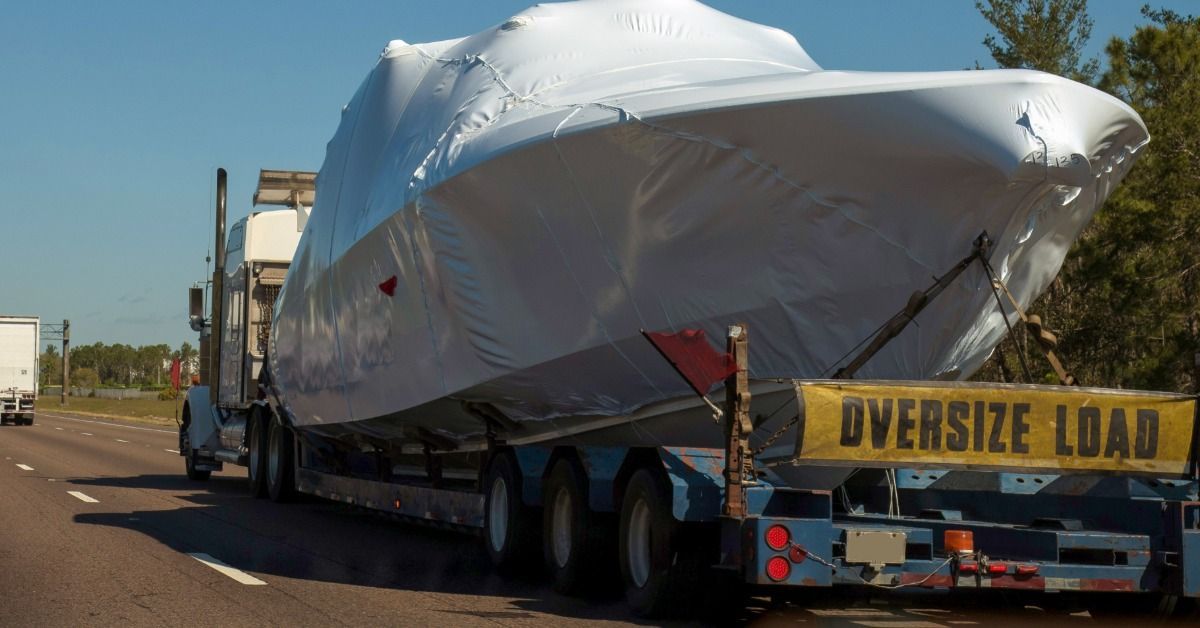
Equipment height and loaded vehicle weight can influence which roads a carrier may use. When a shipment exceeds applicable size or weight limits, the carrier may need additional route planning and permits before traveling through certain states.

Nationwide transportation coordination supports the evaluation of these requirements across the proposed journey. Although broad service coverage doesn't remove regulatory restrictions, it allows the transportation plan to account for the conditions associated with an interstate route.
Account for Requirements Across State Lines
Oversize and overweight transportation rules can differ between states. Depending on the shipment, restrictions may affect permitted routes or travel periods.
Carriers must determine which requirements apply to the loaded vehicle and obtain the necessary authorizations before movement. A transportation coordinator can organize the information needed to support that process.
Early route evaluation also helps businesses understand whether regulatory requirements could affect their preferred delivery schedule. Customers can then consider those limitations when coordinating the equipment's arrival.
Nationwide Transport Helps Businesses Reposition Existing Equipment
Purchasing machinery from distant sellers represents one use for nationwide transportation, but businesses may also need to move equipment they already own. Contractors operating across state lines can face changing equipment demands as projects begin or conclude.
A company completing work in one state may have machinery available for another project several hundred miles away. Nationwide transportation coverage gives the business a way to coordinate that transfer without limiting its options to local hauling providers.
Moving existing equipment between projects can help a company evaluate how to use its current machinery inventory. However, the transportation decision should account for the machine's availability and the receiving project's operational schedule.
Coordinate Transfers Between Business Locations
Organizations with multiple facilities may need to redistribute equipment when workloads change. A machine that receives limited use at one location could support operations at another facility.
A nationwide provider can coordinate transportation between those locations while accounting for their individual access requirements. Facility managers should communicate when the equipment will be available for pickup and when the destination can receive it.
Nationwide Coverage Supports Long-Term Transportation Planning
As businesses accept projects in new markets, their equipment transportation needs may extend beyond familiar routes. A provider with nationwide coverage gives companies an established option for requesting shipments across different regions.
The value becomes clearer when transportation needs vary from one project to another. A business may need to move a compact machine to a neighboring state for one assignment and arrange specialized hauling across a much longer distance for another.
Working with a transportation company that serves both locations can simplify the process of identifying whom to contact for future moves. However, each shipment still requires an individual assessment because carrier availability and transportation conditions can change.
Plan Nationwide Equipment Transportation Around Your Business Needs
The advantages of nationwide equipment transport extend from access to distant equipment markets to coordinated movement between business locations. Broader carrier networks and interstate route planning also help businesses evaluate transportation arrangements for machinery traveling beyond a single region.
One Call Logistics coordinates nationwide transportation for businesses moving heavy machinery. If you're planning an interstate shipment, explore the company's heavy equipment transport services to discuss your machinery and transportation needs.