Tips for Safe and Reliable RV Transportation
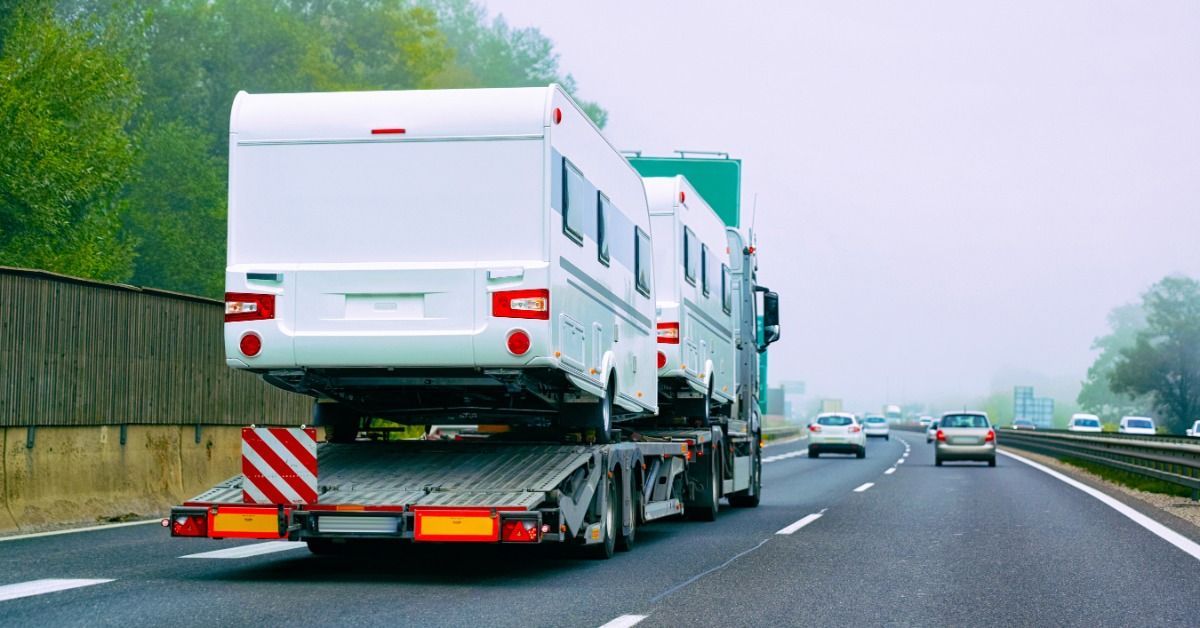
Moving an RV to a new destination requires preparation that accounts for the vehicle's size, condition, and transportation requirements. Even when an RV is roadworthy, arranging professional transportation involves decisions that differ from driving it yourself.
Following practical tips for safe and reliable RV transportation can help owners prepare their vehicles and coordinate the move with fewer complications. From confirming measurements to reviewing delivery arrangements, each step establishes clear expectations before the RV leaves its pickup location.
Choose a Transportation Service Provider That Fits Your RV
Before scheduling transportation, confirm that the provider can accommodate your RV. Motorhomes, travel trailers, and fifth wheels have different configurations that affect how carriers move them.
An experienced transportation provider should be able to discuss the method that fits the vehicle's design and condition. Providing accurate information about the RV allows the company to assess the move and explain any requirements that may apply.
Ask whether the provider regularly coordinates transportation for your type of RV. Experience with similar vehicles can help the company identify relevant handling considerations before scheduling pickup.
Understand How Your RV Will Be Transported
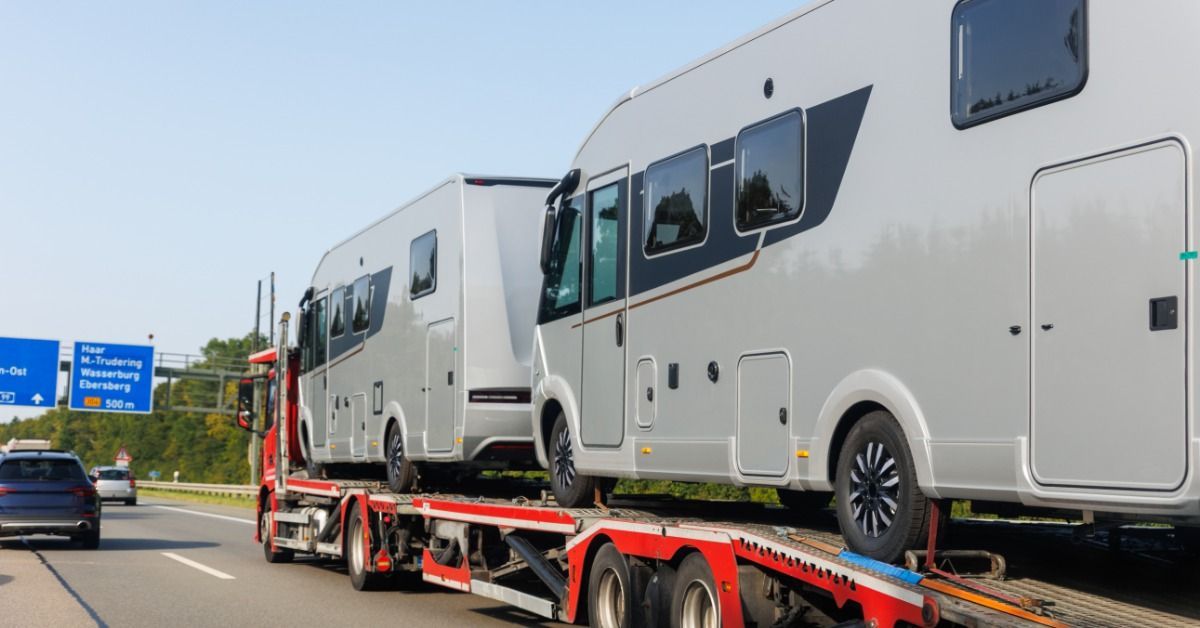
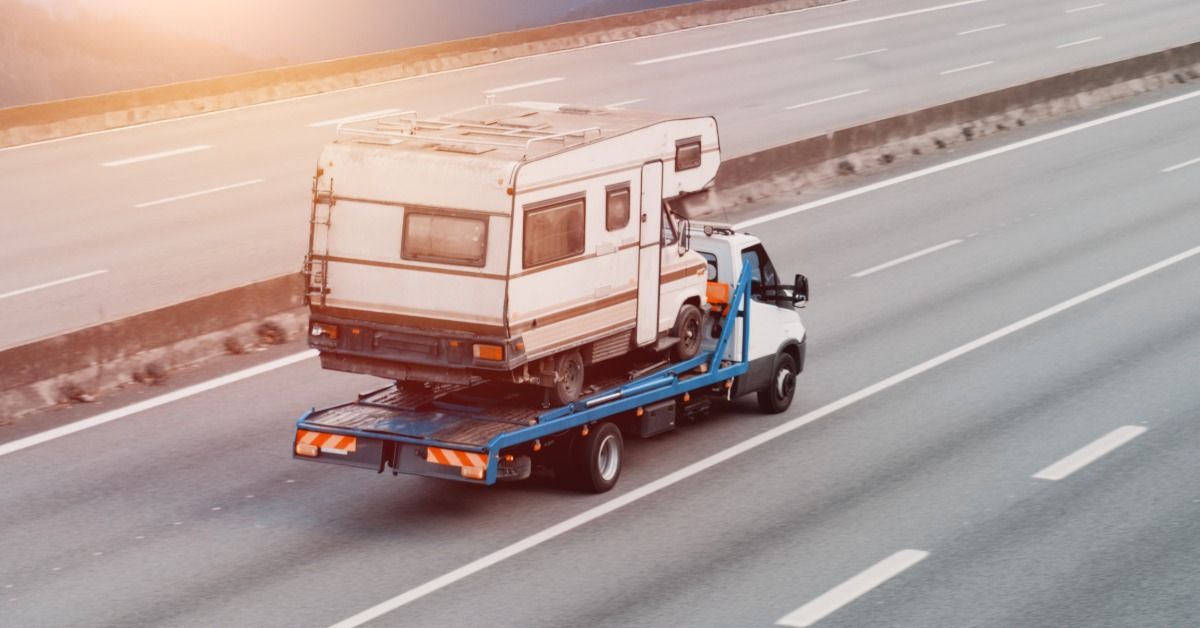
Some motorhomes can travel under their own power, while towable RVs require an appropriate towing arrangement. Depending on the vehicle and transportation plan, a carrier may use specialized equipment to complete the move.
Discuss the proposed transportation method before confirming service. Owners should understand whether the RV will travel on its own wheels or aboard transportation equipment, since the arrangement can affect preparation requirements.
Verify Your RV's Measurements Before Booking
Accurate dimensions help transportation providers determine whether an RV can move along the proposed route. Vehicle height deserves particular attention because rooftop components can increase the clearance needed.
Measure the RV's total height from the ground to its highest fixed point, including installed rooftop equipment. Also confirm its length and width, accounting for permanently attached components that extend beyond the main body.
Manufacturer specifications provide a useful starting point, but modifications may change the vehicle's actual dimensions. When measurements are uncertain, request guidance from the transportation provider before finalizing arrangements.
Identify Features That Affect Clearance
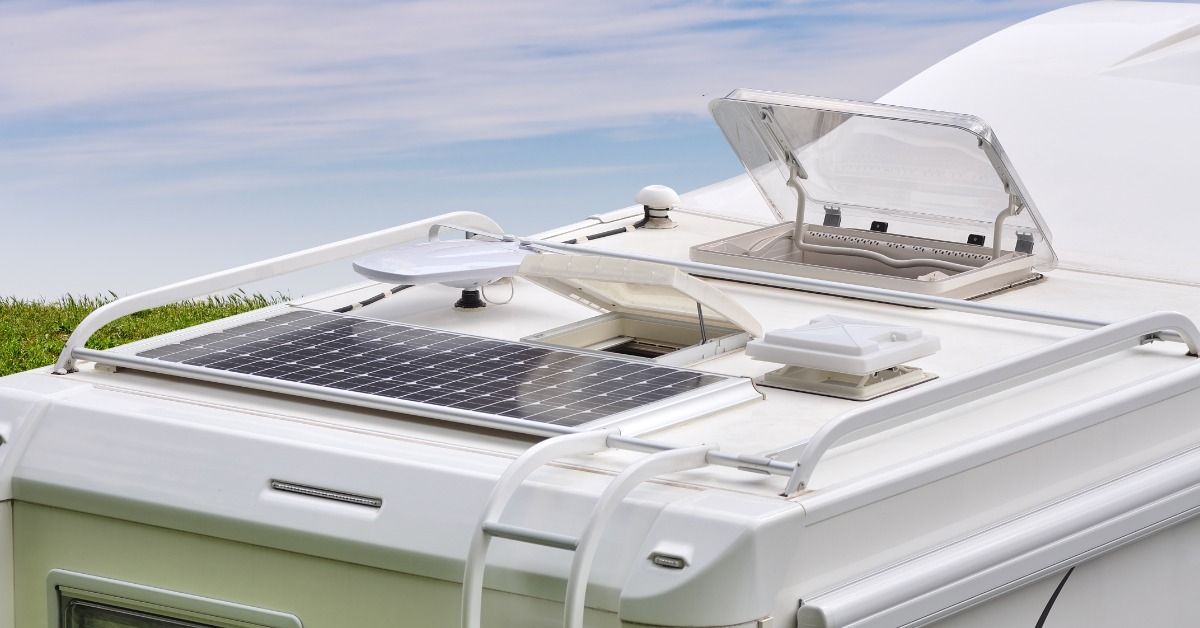
Rooftop air-conditioning units and permanently mounted accessories can affect the RV's height. Exterior attachments may also change its width or length.
Document any modifications that could influence loading or transportation. Sharing these details early gives the provider an opportunity to evaluate equipment compatibility and potential route restrictions.
Prepare the RV's Interior for Transportation
Movement during transportation can shift unsecured belongings inside an RV. Cabinets and storage compartments should receive attention before the carrier arrives.
Remove loose objects that could move during transit, particularly heavy items stored on elevated surfaces. Secure cabinet doors and check that drawers remain closed.
Inspect appliances and movable interior components according to the manufacturer's instructions. Secure retractable televisions, sliding furniture, and other adjustable features in their designated travel positions.
Check Exterior Components Before Pickup
Exterior preparation matters because RVs have features that extend beyond their main structure. Return awnings, slide-outs, entry steps, and accessible storage doors to their proper travel positions.
Confirm that exterior compartments close securely and that any removable accessories meet the carrier's preparation requirements. Inspect the RV for loose components that could become a concern during movement.
For towable RVs, ask the transportation provider about hitch compatibility and any specific preparation requirements. Avoid assuming that every carrier uses the same towing equipment or procedures.
Document the RV's Condition Before Transport
A pre-transport inspection creates a reference point for the vehicle's condition at pickup. Owners can use photographs to record visible details before the RV leaves their possession.
Photograph the exterior from multiple angles, including areas with existing scratches or dents. Record any noticeable damage and keep the images with the transportation paperwork.
Interior photographs may also be useful when documenting fixtures or other permanent features. Organize the records so they remain accessible when the RV arrives.
Review the Pickup Inspection
During pickup, the carrier may document the RV's condition using an inspection report or other transportation paperwork. Review the recorded observations and ask questions about any discrepancies before acknowledging the report.
Keep a copy of the documentation for your records. A clear inspection record helps both parties reference the RV's condition when completing the delivery process.
Confirm Pickup and Delivery Access
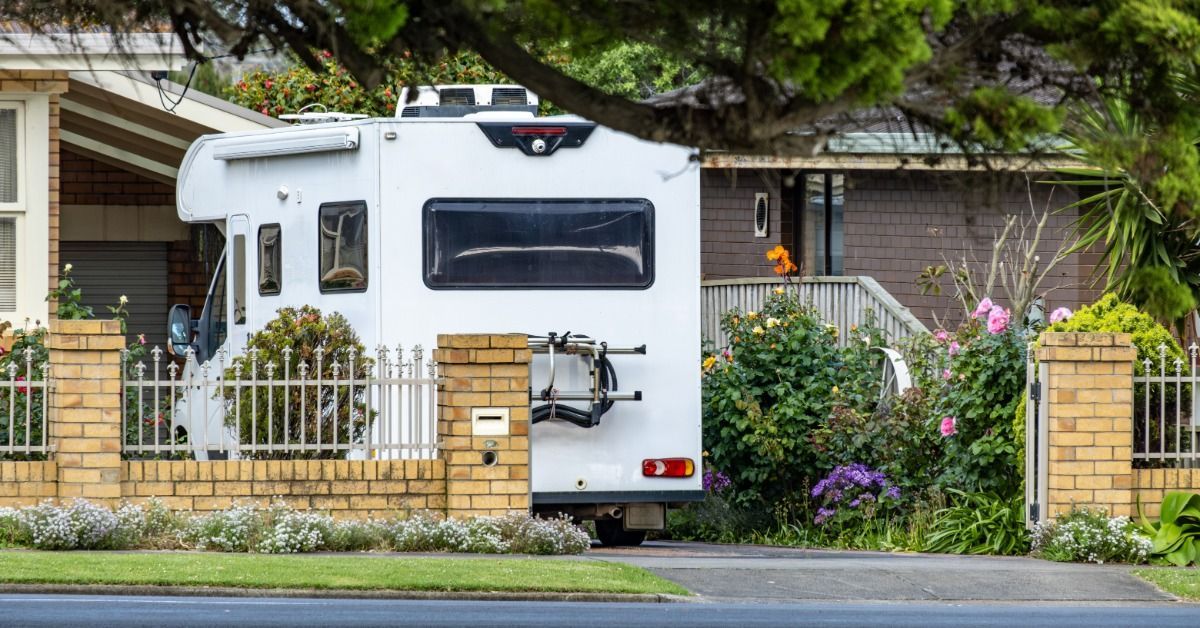
An RV's size can make certain residential streets or properties difficult for transportation equipment to access. Narrow roads, low branches, and restricted turning areas may affect where the carrier can safely position the vehicle.
Before pickup, describe the location and any access limitations to the transportation provider. Include relevant details about gates, driveway conditions, or obstacles that could interfere with the planned transportation method.
Delivery locations require the same consideration, because if the destination has limited space, the provider may need to coordinate a nearby meeting point that accommodates the vehicle and transportation equipment.
Arrange for Someone To Receive the RV
Confirm who will be available when the RV reaches its destination. The designated recipient should understand the delivery arrangements and know what documentation may require review.
Discuss communication expectations with the transportation company before departure. A clear contact plan makes it easier to coordinate access if arrival details change.
Review Scheduling Details Before Departure
Transportation schedules depend on the route and the arrangements required for the RV. Discuss pickup and delivery expectations with the transportation provider before booking, so you can plan around the proposed timeline.
Ask how the company communicates scheduling updates and what information it needs from you before dispatch. Clarifying these procedures helps prevent uncertainty when coordinating with the carrier.
If your RV must arrive before a campground reservation or another scheduled commitment, communicate that deadline early. The provider can explain whether the requested timing fits the available transportation arrangements.
Inspect the RV When It Arrives
Once the RV reaches its destination, review its visible condition before completing the delivery process. Compare the vehicle with your pre-transport photographs and pickup inspection documentation.
Look for any newly visible damage and check accessible exterior components. If you notice a discrepancy, document it promptly and follow the carrier's procedures for recording delivery concerns.
After the transportation process is complete, conduct any additional checks recommended by the RV manufacturer before using the vehicle. Transportation readiness and operational readiness are separate considerations, particularly when the RV has been stored or unused for an extended period.
Plan Your RV Transportation With Confidence
Applying these tips for safe and reliable RV transportation helps owners approach the process with clear preparation steps and realistic expectations. Accurate vehicle details and coordinated pickup arrangements give the transportation provider the information needed to plan the move.
One Call Logistics coordinates RV transportation for customers moving motorhomes and towable recreational vehicles. If you're preparing for an upcoming move, explore the company's RV transportation services to discuss your vehicle and request transportation assistance.