Hurricane Season Has Officially Begun: Here’s How to Prepare
June 1 marks the official start of the Atlantic hurricane season, and there’s already early buzz about a possible named storm forming within the next 10 days. While no official forecasts have confirmed a system yet, this is an important reminder that preparation should begin before a storm is ever on the radar.
Whether you’re a parent, a senior, or a business owner, having a solid plan in place can make all the difference in how well you weather the storm—and how quickly you recover afterward. Here's how different groups can take proactive steps now.
For Families: Protecting Your Home and Loved Ones
Hurricanes can disrupt every part of daily life—power, school, work, transportation, and safety. A family-focused plan ensures everyone knows what to do in the event of an emergency.
Steps for Families:
Create a Communication Plan
Designate an out-of-town contact and have a plan for how to stay in touch if cell service or internet is unavailable.
Pack a Family Emergency Kit
Include food and water for at least three days, medications, flashlights, batteries, diapers, pet supplies, and copies of important documents.
Secure Your Home
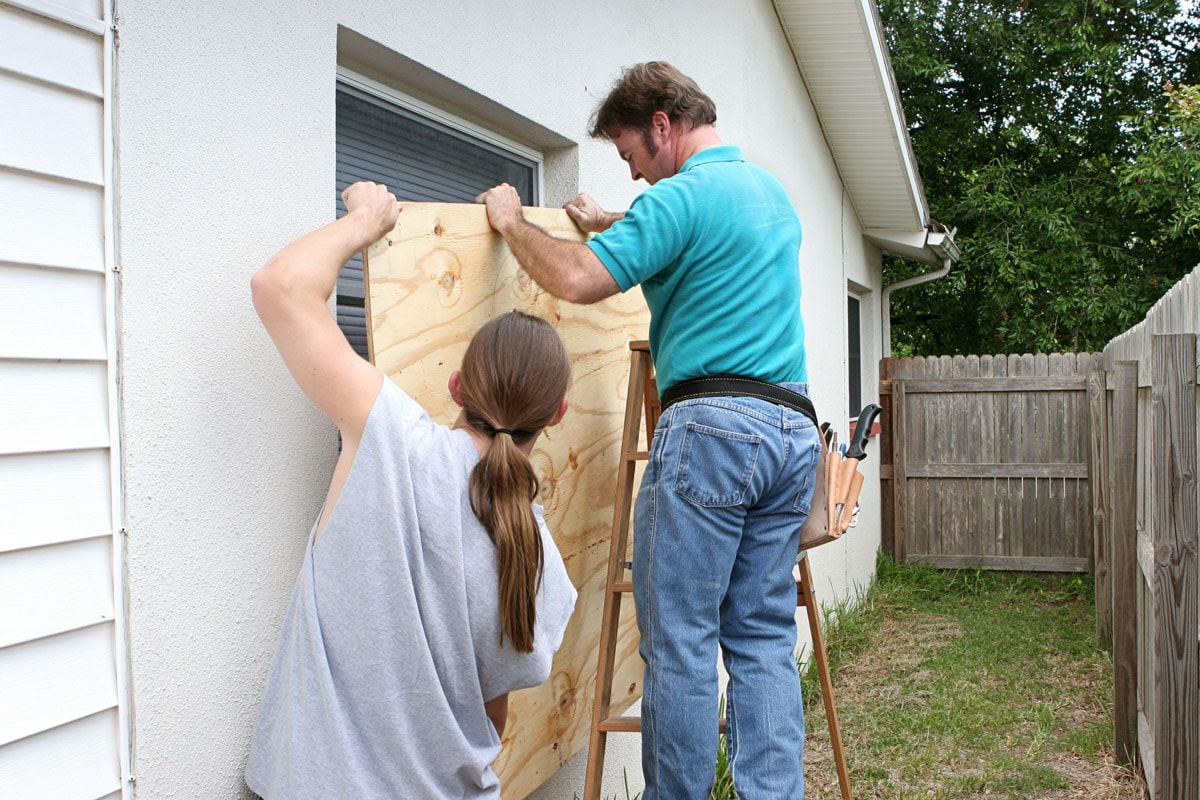
Trim trees, bring in outdoor furniture, check seals on doors and windows, and consider installing storm shutters or using plywood if necessary.
Know Your Evacuation Zone
Evacuation orders are based on storm surge risk, not the storm’s path. Find your zone now so you’re not scrambling later.
For Seniors: Planning Ahead for Safety and Medical Needs
Seniors often have special considerations in emergencies, such as limited mobility or dependence on medical equipment. Advance planning helps reduce health risks and avoid complications during evacuations.
Tips for Seniors:
Build a Support Network
Talk to neighbors, friends, or caregivers about your plan and how they can assist during an emergency.
Organize Medical Information
Keep an updated list of prescriptions, allergies, providers, and medical devices. Store these with copies of your ID and insurance in a waterproof container.
Register for Assistance
If you rely on powered medical devices, register with your utility company and local emergency management agency for priority service or evacuation assistance.
Plan Transportation in Advance
Arrange for help getting to shelters or safe locations, especially if you do not drive.
For Businesses: Minimizing Disruption and Protecting Operations
Whether your business is small or large, hurricanes can threaten physical assets, customer access, employee safety, and data security. A good preparedness plan helps minimize downtime and speed up recovery.
Business Preparedness Checklist:
Review Your Continuity Plan
Make sure your emergency procedures, remote work capabilities, and vendor contact lists are current.
Back Up Critical Data
Use cloud storage or external backups to protect financial records, customer information, and important files.
Secure Your Facility
Protect signage, board up windows if needed, move electronics off the floor, and secure equipment that could be damaged by wind or water.
Establish Communication Channels
Create a clear plan to communicate with employees before, during, and after the storm via text, email, or a central messaging app.
Know Your Recovery Resources
Learn about available assistance programs from FEMA, the Small Business Administration, and local organizations, and have documents ready in case you need to apply.
Trust Accurate, Official Sources
Social media can spread misinformation quickly. Always rely on trusted sources for forecasts, watches, warnings, and evacuation orders:
National Hurricane Center ( www.nhc.noaa.gov)
Local emergency management agencies
Wireless Emergency Alerts (WEA)
And remember: the “cone of uncertainty” shows the possible path of the storm’s center , not where impacts will be felt. Storm surge, heavy rain, and damaging winds often extend far beyond the cone.
Knowing your evacuation zone and having a plan in place is far more important than tracking the center line.
Final Reminders
Review and update your emergency plans now.
Replenish your emergency kit.
Understand your risks and know your evacuation routes.
Stay informed through official channels.
Preparedness isn’t about fear—it’s about being ready, staying safe, and helping your community recover stronger.