Tips for Transporting Equipment in Winter Weather

Tony Mers • February 1, 2024
Tips for Transporting Equipment in Winter Weather
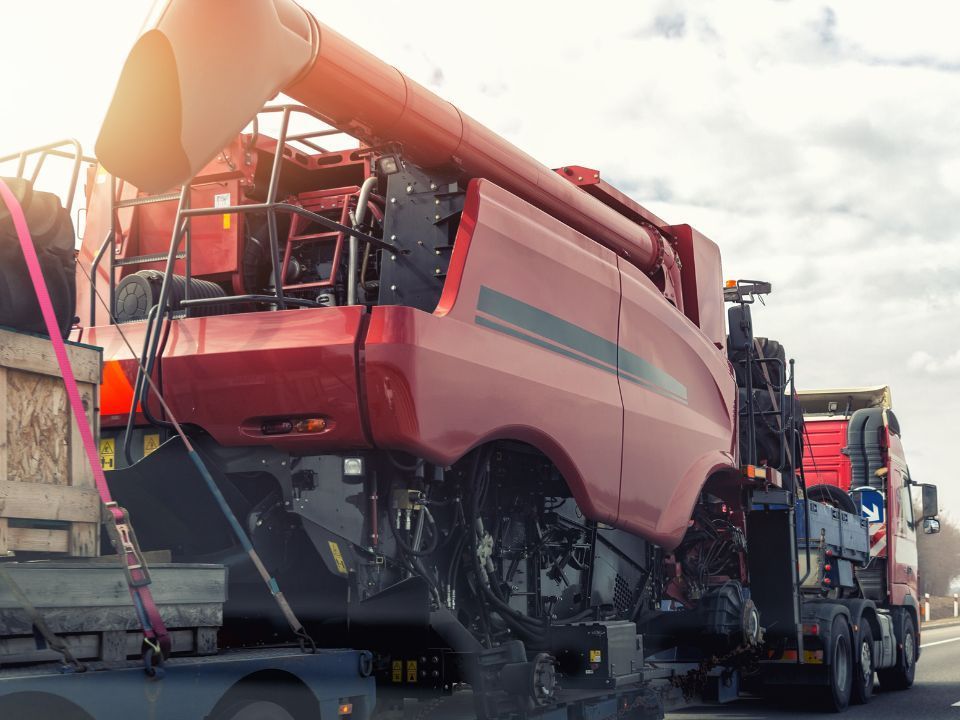
The harsh conditions of winter can make logistics a bit tricky. Luckily, we have some helpful tips for transporting equipment in winter weather to make your life easier. Continue reading to learn how you can successfully move heavy machinery, regardless of the weather.

Reference the Owner’s Manual

When transporting heavy-duty equipment, you need to be informed about the moving guidelines for your machinery. If you’ll pack up your equipment for transport, reference the owner’s manual for guidance.

The owner’s manual can tell you the correct packaging techniques and materials needed to secure your equipment for wicked winter weather. You may need to pre-package components before transport so that they’re not exposed during open-air travel. If you misplaced your machinery owner’s manual, you can reference the manufacturer’s website for packing information.

Secure Loose Components

Another tip for transporting equipment in winter weather is to secure loose components. It’s best to detach removable pieces so they don’t accidentally fall off or get damaged during the journey. For example, if you’re shipping a tractor with an attachment, it’s wise to unhitch it and ship it separately.

You’ll need to make sure straps, blades, and loose ropes are tied down in case of windy conditions on the road. To prevent the doors of your equipment from opening during transport, lock them and tape them shut. You can also keep the interior of your machinery free of snow, rain, or ice when you secure the doors.

Load and Unload in a Spacious Area

Winter road conditions are often slippery, so give yourself plenty of space to load and unload your equipment safely. You can lessen some of the potential risks associated with transporting heavy-duty machinery when you have clearance during these times.

When you hire professional heavy equipment transportation services from One Call Logistics, we can create a custom moving plan based on your needs. Our driving professionals adhere to the United States Department of Transportation rules and regulations. You can rest assured that your equipment will arrive safely at its destination, regardless of the weather conditions.

Drain Fluids and Lubricants

When the temperature drops, it’s necessary to check the fluid and lubricant levels of your large machinery. Some liquids don’t perform well in cold weather, so you may need to switch to products designed for low temperatures in order to prevent damage.

Check the coolant, engine oil, transmission fluids, drive fluids, and fuel before moving your equipment. For your safety, you should drain machinery fluids before transport. In general, you can move most machines with approximately one fourth of the fuel in the tank. Avoid transporting your machine with a full tank.

One Call Logistics offers heavy equipment transportation services throughout the continental United States. Get in touch today to learn how we can help you move your machinery all year long!

A transport flat-bed truck, hauling motor homes. Other vehicles are passing the truck on the highway
November 25, 2025
Avoid the common mistakes people make when shipping RVs with this expert guidance on vetting carriers, preparing your vehicle, and understanding insurance.
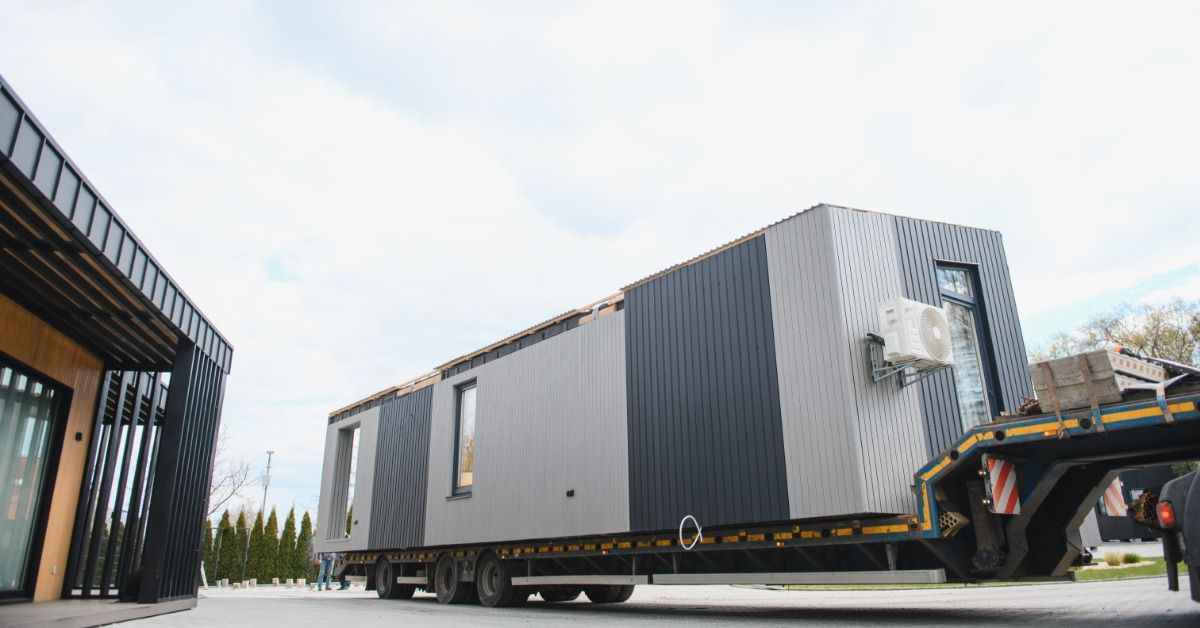
A hauler truck travels down the interstate with a tiny home that has an
November 18, 2025
Move across states with confidence. See why national transport beats local carriers and what to expect from route planning, coverage, and communication.
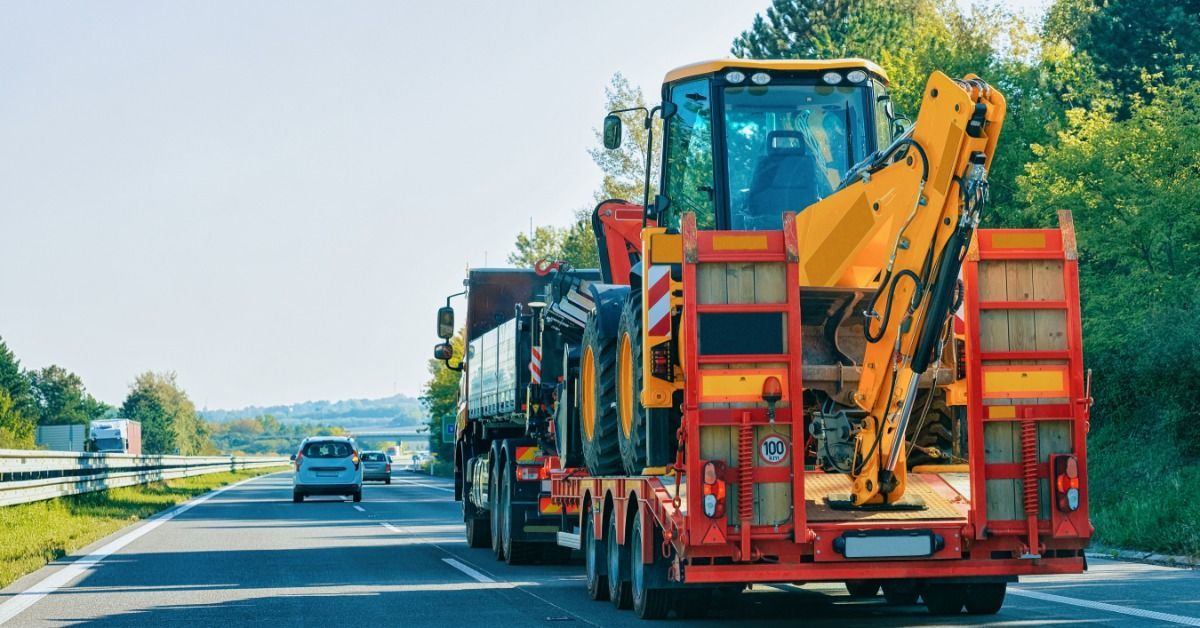
A side view of a semi-truck driving down a highway with an oversized construction machine. Other car
November 18, 2025
Skip regret and pricey mistakes. We break down the pros and cons of self-moving heavy equipment so you can plan with confidence and choose the right next step.
A white concession trailer parked beside a brown building, with a fence and a tree behind it.
September 29, 2025
Even short-distance moves can stress the frame or cause equipment to shift. This guide outlines exactly what to inspect before opening your concession trailer.
A charcoal gray semi-truck forms a road train with three big rigs stacked in a lot under a setting s
September 22, 2025
Semitruck shipping has more challenges than you may realize. From permits to loading, see what can complicate the process and how to avoid issues.
What’s the Right Time of Year To Move a Tiny House?
September 7, 2025
Factors such as weather, permits, and road restrictions all affect the best time to move a tiny house. See what you need to consider for a smooth move.
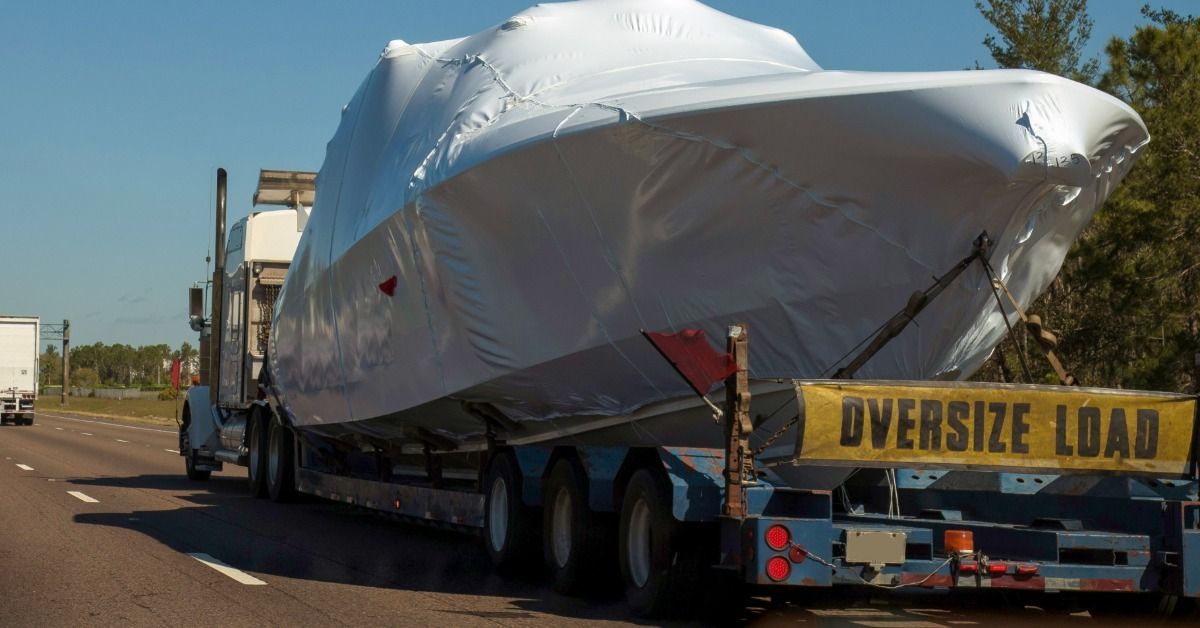
A truck carries a boat covered by a white tarp with an “OVERSIZE LOAD” banner on the back.
August 22, 2025
Careful planning and expert coordination ensure yachts arrive safely. Understand the key factors that make transporting a yacht successful every time.
A truck hauling a white vintage camper along a highway with a mountain view.
August 13, 2025
Discover what to consider when buying an RV out of state—from taxes to transport—to ensure a smooth, surprise-free purchase across state lines.
Four yellow trucks carry silver gas canisters on flatbeds while driving in one lane of a four-lane h
August 4, 2025
Learn best practices for transporting medical supplies safely and efficiently, from route planning to temperature control and contamination prevention.
By Taylor Tefft July 27, 2025
As wildfires become more frequent and intense across the U.S., the demand for fast, reliable emergency response grows more urgent by the year. Behind every successful wildfire containment effort is a powerful network of moving parts—from fire crews and equipment to mobile command centers, light towers, water tankers, and power units. None of it reaches the front lines without logistics . But not all logistics providers are built for crisis response. When lives, property, and natural resources are on the line, having the right logistics partner can be the difference between delay and action, between chaos and coordination.