Why the Transport of Heavy Agricultural Equipment is Best Handled by a Transportation Logistics Specialist
Why the Transport of Heavy Agricultural Equipment is Best Handled by a Transportation Logistics Specialist
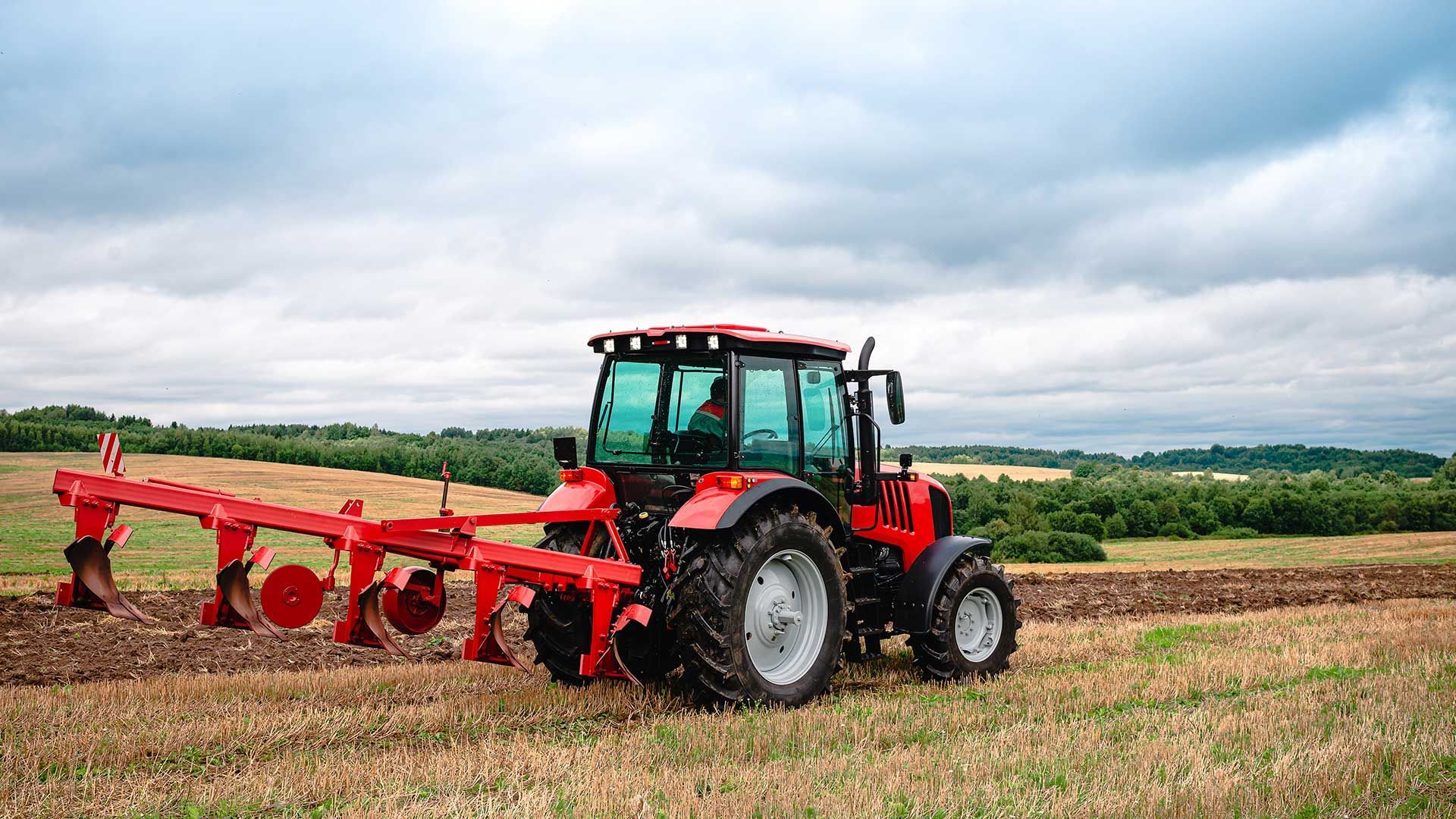
Agriculture is the backbone of many economies, and the machinery that drives this industry is crucial to maintaining productivity. From tractors and combine harvesters to plows and balers, agricultural equipment plays an essential role in farming operations. However, transporting heavy agricultural machinery presents unique challenges due to the size, weight, and often delicate nature of the equipment. For this reason, it is often best to rely on a transportation logistics specialist to handle the move.
In this blog, we’ll explore why agricultural equipment transport is best handled by a logistics expert, and how their specialized knowledge and resources can ensure a safe, efficient, and cost-effective process.
1. Expert Knowledge of Agricultural Equipment
-
Understanding of Equipment Layouts: Agricultural machinery can have various components that extend or retract, such as boom arms, attachments, or masts. A logistics expert knows how to properly secure these parts to prevent shifting or damage during transport. They can also advise on whether parts should be disassembled or removed before moving.
-
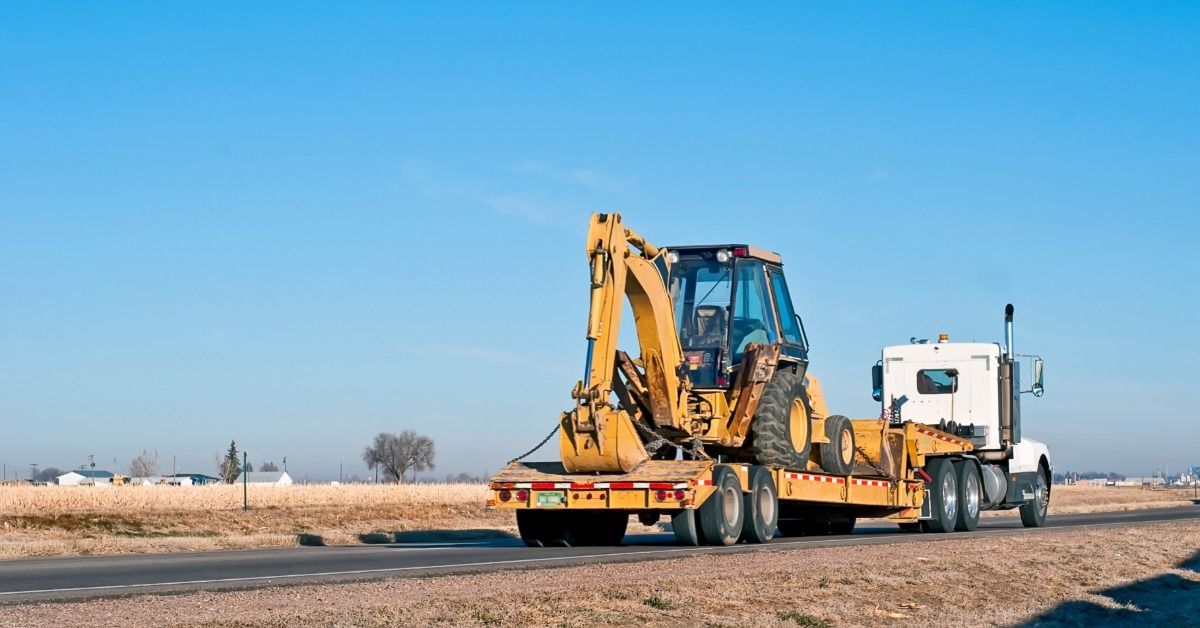
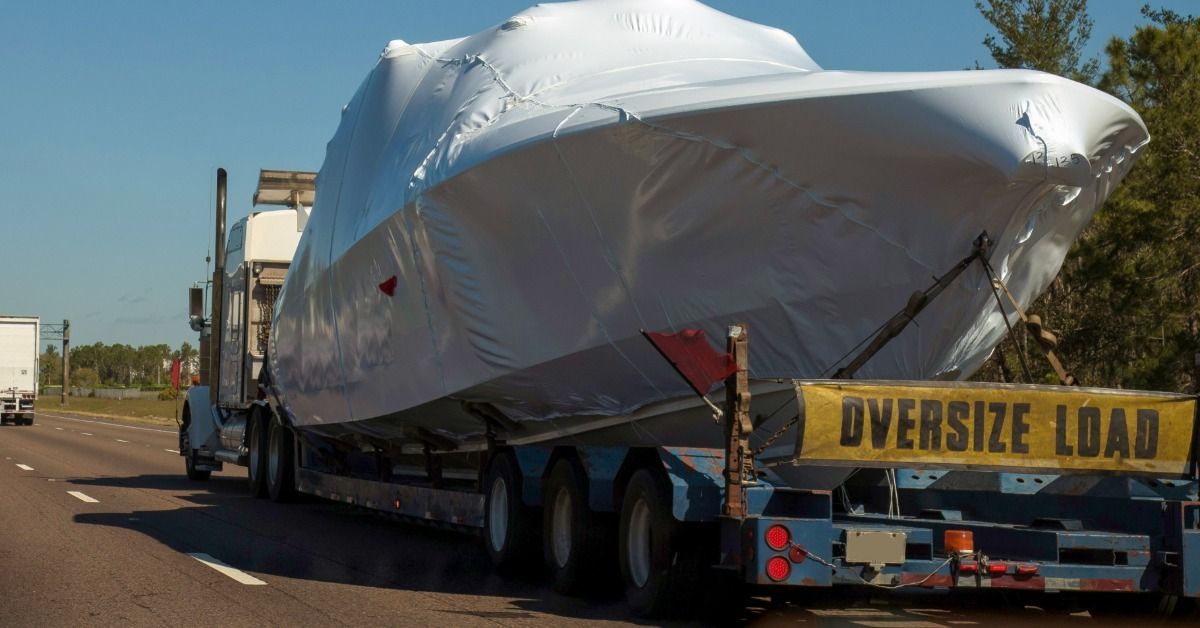
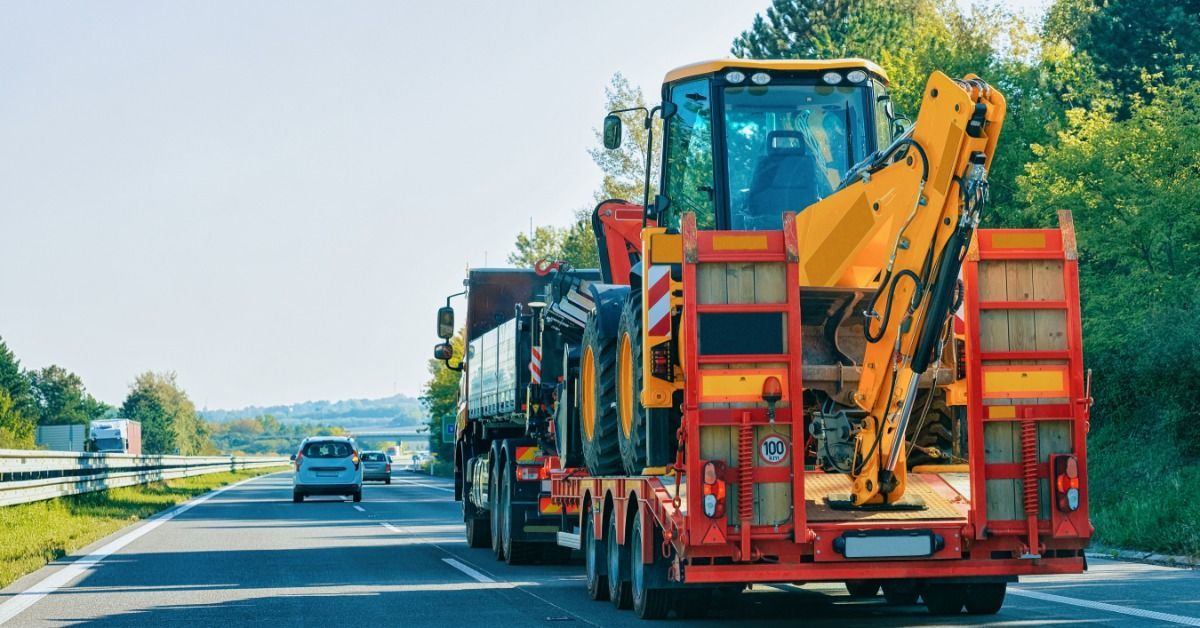
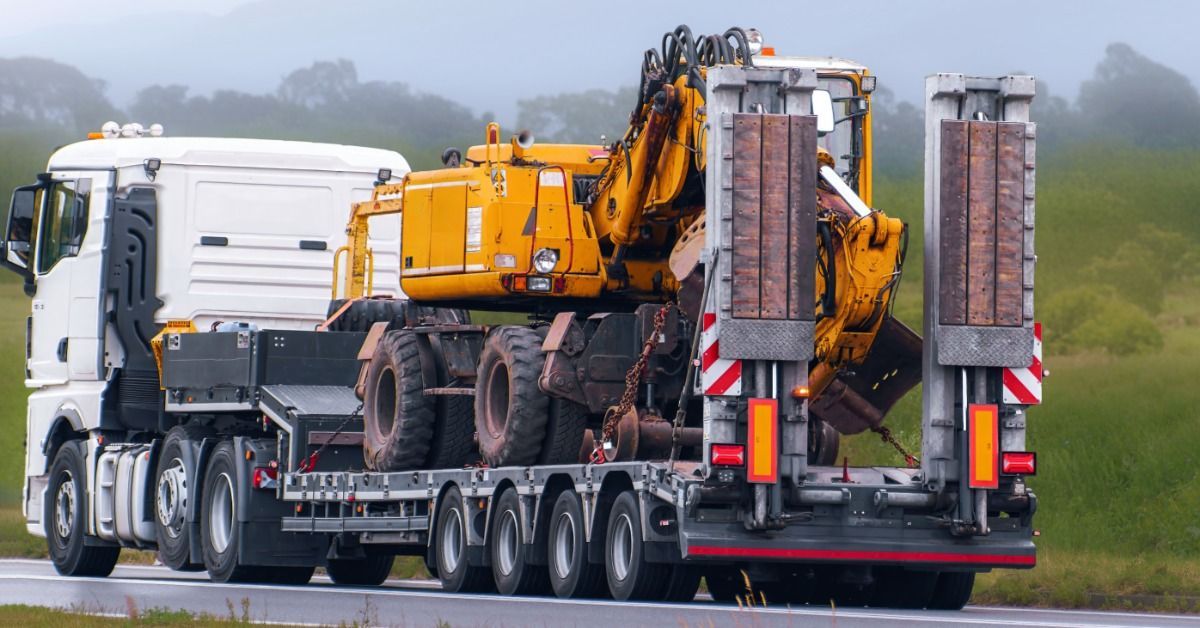
Tailored Transport Solutions: Depending on the size and weight of the equipment, a logistics specialist will select the most appropriate trailer or transport vehicle. Whether the equipment is standard-sized or falls into the “oversized load” category, a logistics expert can arrange for lowboy trailers, flatbeds, or other specialty vehicles designed to carry heavy agricultural machinery.
-
Route Assessment and Optimization: Heavy agricultural equipment is often too large for certain roads, bridges, or tunnels. A logistics specialist knows how to map out the safest and most efficient routes, taking into account low-clearance bridges, narrow roads, weight restrictions, and busy traffic zones. This ensures the equipment reaches its destination without unnecessary delays or detours.
-
Navigating Regulations: There are strict regulations governing the transportation of oversized loads, including weight restrictions, travel time windows, and permit requirements. A logistics expert is well-versed in the rules and can secure the necessary permits for transporting oversized agricultural equipment. They will also ensure that all necessary documentation is completed, including special route permits and any required escort vehicles.
-
Strategic Loading: A logistics specialist will use equipment like cranes, forklifts, and ramps to load the machinery onto the trailer. They will carefully balance the load to prevent tipping or shifting while driving.
-
Tie-downs and Restraints: Heavy agricultural equipment must be secured with high-strength tie-downs, chains, and straps. A transportation logistics expert knows the best points on the machinery to attach these restraints to minimize movement and ensure the equipment stays in place during transport.
-
Protection from Damage: If the equipment has sensitive parts, like hydraulic systems or exposed machinery, a logistics expert will take extra precautions to protect those areas during transport, possibly using custom cradles, padding, or covers to prevent damage from vibrations or external impacts.
-
Quick and Efficient Coordination: A transportation logistics expert can handle all the coordination required to move heavy agricultural equipment, from booking transport vehicles to managing paperwork and permits. This frees up the farm or business owner to focus on operations rather than logistics.
-
Cost Savings Through Optimization: While transporting heavy machinery can be costly, logistics specialists are adept at finding cost-effective solutions. By optimizing the route, vehicle selection, and securing multiple loads, a logistics expert can reduce transportation costs while ensuring that the job is done safely and on time.
-
Oversized Equipment: Large harvesters, planters, or tractors may require multiple vehicles, escort vehicles, or even specialized trailers like lowboys or multi-axle trailers.
-
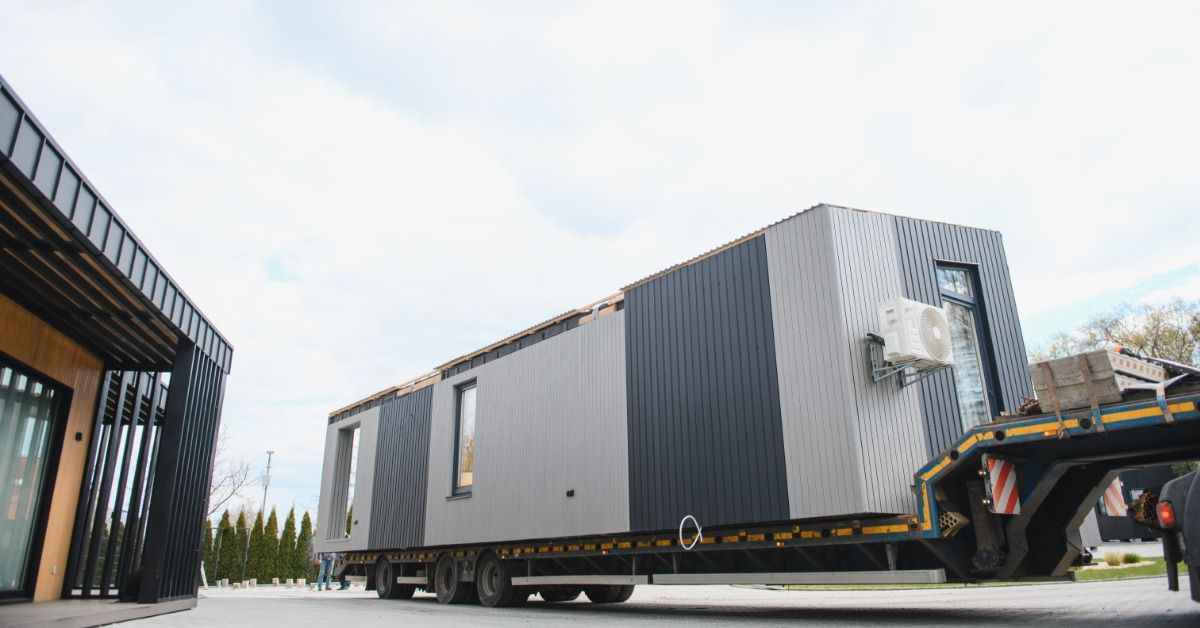
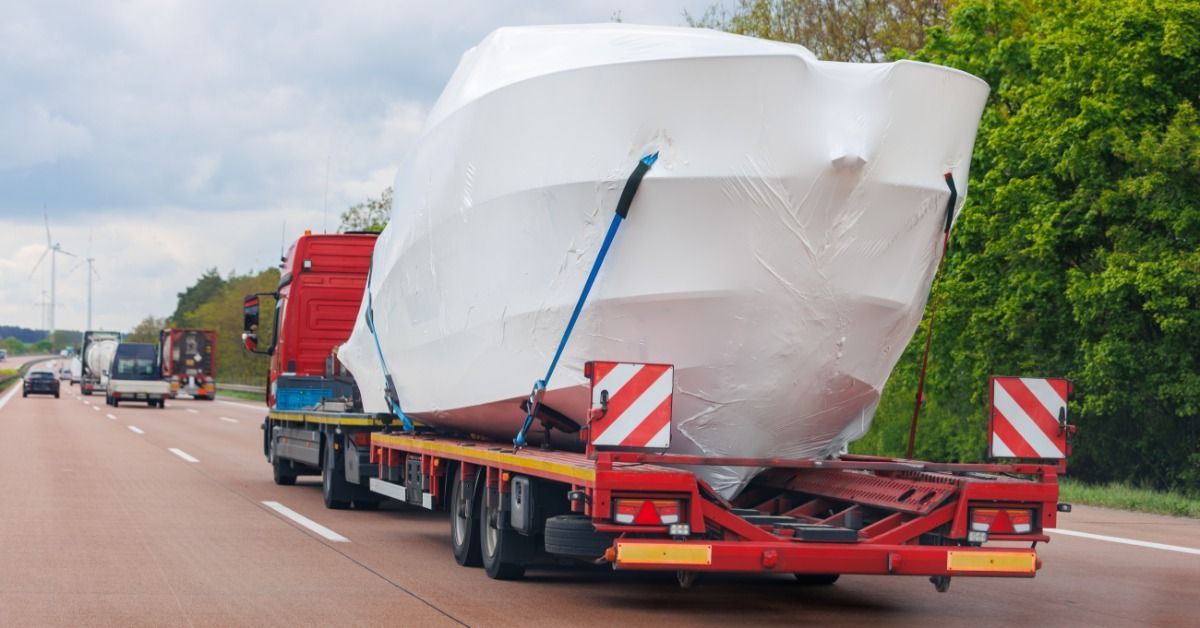
Over-Dimensional Loads: Equipment with unusual shapes or large attachments, such as tall silos or long irrigation systems, may require specific transport techniques. A logistics expert is trained to handle these dimensions and can arrange for custom solutions.
-
Handling Delicate Equipment: Certain agricultural machines, such as those used in organic farming or high-precision harvesting, can be fragile. A logistics specialist knows how to safely transport these sensitive items to avoid wear and tear.
-
Insurance Coverage: Logistics specialists often work with insurers to offer cargo insurance that protects the equipment while in transit. If damage does occur during the transport process, insurance ensures that you are financially covered.
-
Minimized Risk of Damage: With years of experience and knowledge of the best practices for moving heavy equipment, logistics experts greatly reduce the risk of damage by employing proper loading, securing, and unloading techniques. They also monitor the transport in real-time to address any issues before they become problems.
Agricultural machinery comes in many shapes and sizes, ranging from compact tractors to massive combines used for harvesting. These machines are often designed for specific tasks, making them unique in both their form and function. A transportation logistics specialist brings in-depth knowledge of agricultural equipment and understands the complexities of moving these large machines. Here’s how their expertise helps:
2. Route Planning and Compliance with Regulations
Transporting heavy agricultural equipment involves much more than just loading it onto a trailer and driving down the road. Agricultural machinery often exceeds size and weight limits for standard transport, which means route planning and compliance with local, state, or even national regulations is essential.
A transportation logistics specialist can handle the following critical tasks:
3. Securing the Equipment Properly for Transport
Agricultural equipment is often both heavy and delicate, requiring proper securing methods to avoid damage during transit. The larger the machinery, the more complex the process of safely securing it becomes. A transportation logistics specialist has the experience to ensure that equipment is properly loaded, balanced, and strapped down to avoid accidents or damage during transport.
Here’s how a logistics expert handles this:
4. Time and Cost Efficiency
Transporting heavy agricultural equipment involves numerous moving parts, from securing permits to coordinating multiple vehicles. A logistics specialist not only streamlines this process but also helps save time and money by optimizing every step of the journey.
Here’s how a logistics specialist increases efficiency:
5. Handling Special and Oversized Equipment
Many pieces of agricultural equipment are considered oversized or heavy loads due to their weight, width, height, or length. Special handling is required when transporting machinery that exceeds the standard weight and size limits. For agricultural equipment, this may include:
6. Insurance and Risk Management
Transporting heavy agricultural equipment comes with inherent risks—whether from road conditions, accidents, or equipment malfunctions. A transportation logistics specialist ensures that the proper insurance coverage is in place, so any damage to the machinery or delays during transport can be covered.
7. Peace of Mind
Finally, one of the biggest advantages of working with a transportation logistics specialist is the peace of mind it offers. Transporting agricultural equipment is a critical part of ensuring the continued success of a farm or agribusiness. By relying on a professional logistics team, you can rest assured that your equipment is in good hands.
A logistics expert will handle the entire process—from planning and securing permits to loading and unloading the machinery—while ensuring that every detail is taken care of. This reduces the stress on the farm or business owner, allowing them to focus on the essential task of farming
Conclusion
Transporting heavy agricultural equipment is no simple task, and it requires careful planning, specialized knowledge, and the right equipment. Whether you are moving a tractor, combine harvester, or irrigation system, the best way to ensure a safe, efficient, and cost-effective transportation process is to work with a transportation logistics specialist.
From route planning and compliance with regulations to ensuring your equipment is securely loaded and insured, a logistics expert brings the necessary skills and resources to handle every aspect of the transportation process. By partnering with a logistics specialist, you not only save time and money but also gain peace of mind knowing that your valuable agricultural equipment will arrive safely and on schedule.