7 Signs You're Ready to Ship Heavy Machinery
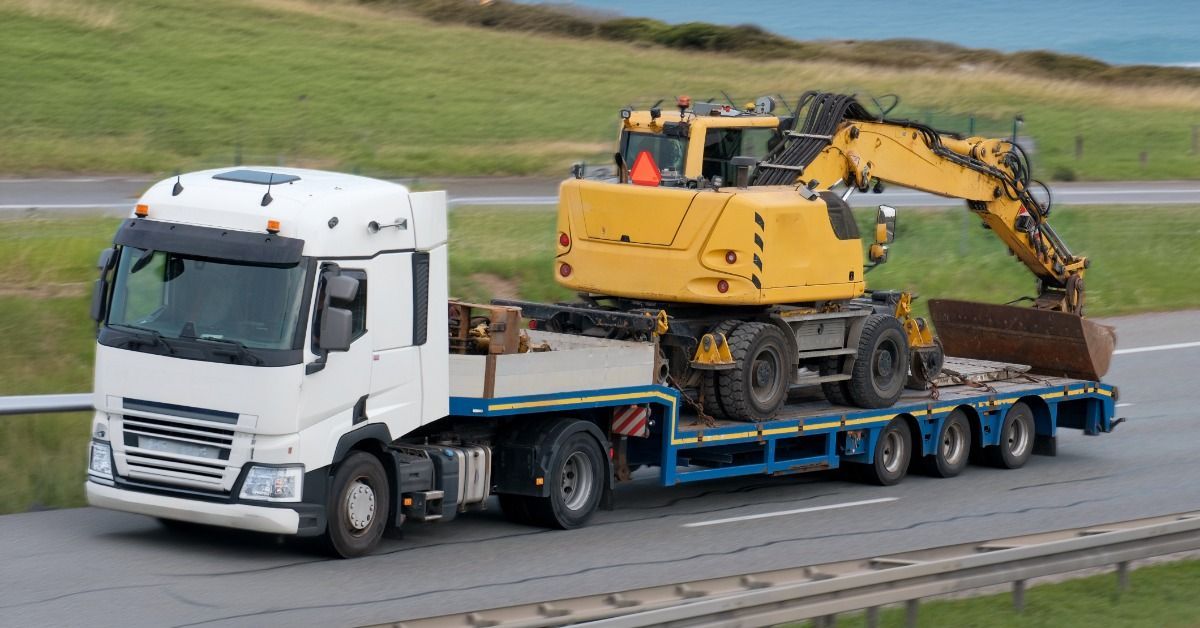
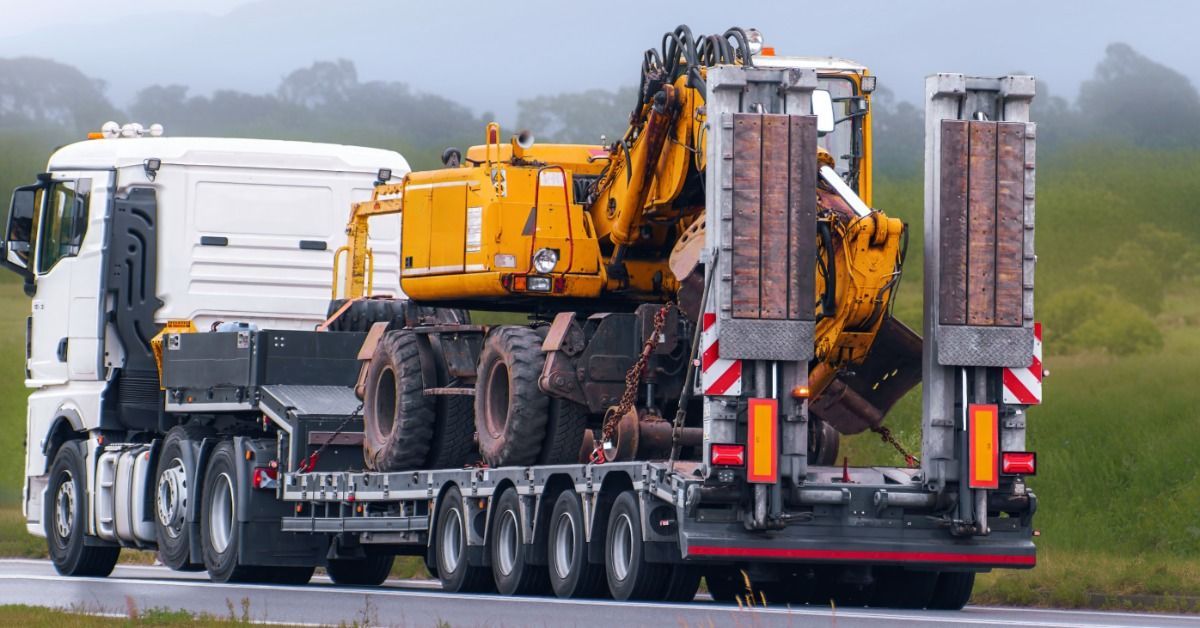
Moving heavy machinery involves transportation decisions that begin well before a carrier arrives. Owners need to understand their equipment's requirements and confirm that the pickup and delivery locations can accommodate the move.
Several signs can indicate you're ready to ship heavy machinery , particularly when you've confirmed the machine's specifications and established workable transportation arrangements. Understanding these indicators helps you approach a provider with accurate information and clear expectations.
1. You Know the Equipment's Dimensions and Weight
Before evaluating a heavy machinery shipment, transportation providers need accurate information about the equipment's dimensions and weight. Carriers use these specifications to assess trailer compatibility and identify applicable transportation requirements.
Confirm the machine's overall length, width, height, and transportation weight, including attachments that affect its loaded configuration. Although manufacturer specifications provide a starting point, modifications may change the equipment's actual measurements.
When dimensions are uncertain, consult the equipment documentation or verify the measurements before requesting transportation. Accurate specifications help the provider assess the proposed hauling arrangement without relying on estimates.
You've Accounted for Attachments and Modifications
Depending on the machine's configuration, installed attachments can change its transportation requirements. An excavator with a specialized attachment, for example, may require different hauling arrangements from the standard model.
Document modifications that affect the equipment's size or weight so the transportation provider can evaluate the machine as it will travel.
2. You've Confirmed the Machine's Operating Condition
Before arranging transportation, determine whether the machine can perform the movements necessary for loading. Equipment that cannot move under its own power may require different handling arrangements from fully operational machinery.
If mechanical problems limit the machine's movement, explain those restrictions before scheduling pickup. Although equipment doesn't always need to be operational for transport, its condition influences the carrier's requirements.
A transportation provider may need to know whether the equipment can steer or move into the required loading position. Confirming these capabilities helps establish whether the proposed pickup arrangement is practical.
3. You've Identified Suitable Pickup and Delivery Locations

Although pickup and delivery addresses establish where the equipment needs to travel, they don't confirm whether a carrier can access either location. Large trailers require adequate space to approach the machinery and complete the move.
Review both locations for narrow entrances, restricted turning areas, or unsuitable ground conditions. For active construction sites, confirm when the carrier can enter and whether the receiving location has designated operating hours.
If either location has limited access, explain the restriction before scheduling transportation. The provider may need to discuss an alternative meeting location that can accommodate the carrier and equipment.
You've Identified the Appropriate Site Contacts
To coordinate access, the transportation provider may need to communicate with personnel responsible for releasing or receiving the equipment. Identify those contacts and confirm that they understand their roles.
Providing accurate contact information helps the carrier address access questions without unnecessary delays. The designated contacts should also know when to expect transportation updates and whom to notify if site availability changes.
4. You Understand the Equipment's Loading Requirements
Because heavy machinery varies in size and condition, carriers may need different loading arrangements. Equipment that cannot move independently may require additional resources at pickup.
Before scheduling, determine whether the machine can move into the position required for loading. If mechanical limitations prevent normal movement, inform the provider so it can evaluate suitable arrangements.
The transportation provider should explain whether the proposed method requires assistance from the pickup location. Understanding these expectations allows owners to confirm that the necessary resources will be available when the carrier arrives.
You've Clarified Who Will Handle Loading
Depending on the transportation agreement, the carrier may handle loading or require assistance from personnel at the pickup location. Clarify these responsibilities before confirming service.
Ask whether the carrier expects additional equipment or personnel so the location can accommodate the proposed loading process.
5. Your Pickup and Delivery Schedule Is Realistic
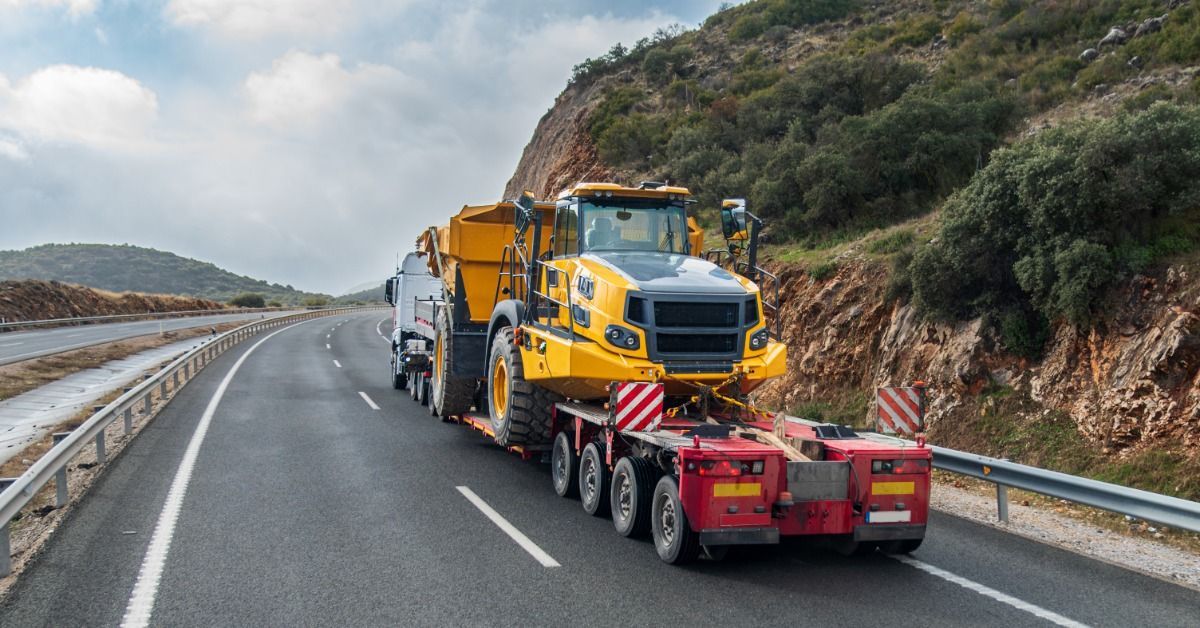
When arranging heavy machinery transportation, the timeline must account for the route and hauling requirements. Long-distance shipments may involve restrictions that influence when the carrier can travel.
Determine when the machine will be available for pickup and when the destination can accept delivery. If an upcoming project requires the equipment by a particular date, communicate that deadline early.
After reviewing the shipment, the provider can explain whether the requested timing fits the available transportation arrangements. Equipment owners should account for scheduling uncertainty when planning work that depends on the machine's arrival.
You've Allowed Time for Transportation Coordination
For oversized or overweight machinery, permit requirements may influence the transportation schedule. These arrangements can affect when the carrier can begin moving the equipment.
Ask whether the shipment requires additional planning so you can establish realistic expectations before committing to a pickup date.
6. You Understand the Proposed Transportation Arrangement
Once you've gathered the equipment information, determine whether the proposed transportation method fits the machinery and its destination. The arrangement should account for the machine's specifications and any limitations at either location.
Ask which trailer configuration the carrier expects to use and whether specialized hauling is necessary. Review the transportation scope to understand any responsibilities that remain with the equipment owner.
If the proposed arrangement differs from your expectations, discuss those differences before confirming service. Clarifying the transportation method early establishes what the carrier will provide and what the pickup location must accommodate.
You Know What the Transportation Quote Includes
Because transportation quotes can reflect different service arrangements, reviewing the proposed scope is essential before booking. Equipment specifications and loading requirements may influence what the provider includes.
Confirm that the quote accounts for the machine's dimensions and any loading assistance discussed during planning. Clarifying these details helps you evaluate the service without making assumptions about the carrier's procedures.
7. You're Prepared to Coordinate With a Transportation Provider
After confirming the equipment details and location requirements, you should have enough information to discuss transportation arrangements. The next step involves determining whether the provider can accommodate the machinery and coordinate the shipment.
Ask how the company evaluates equipment requirements and communicates pickup arrangements. Before booking, confirm how it provides scheduling updates and whom to contact if shipment details change.
A provider's explanation should give you a clear understanding of the next steps before pickup. If additional information is necessary, ask what details you need to supply before the transportation company can confirm the arrangement.
You Know Which Questions Still Need Answers
Even after completing your preparation, some transportation decisions may require the provider's assessment. Carrier selection and route evaluation depend on information the company must review.
When you can explain the machine's condition and transportation requirements, the provider can evaluate the shipment and discuss the remaining steps.
Take the Next Step Toward Shipping Your Heavy Machinery
With these seven signs addressed, you can approach heavy machinery transportation with a clearer understanding of the shipment's requirements. Accurate equipment information and confirmed site arrangements establish a practical starting point for coordinating the move.
When you're ready to work with a logistics moving company, One Call Logistics can help coordinate heavy machinery transportation across the country. Explore the services offered by One Call Logistics to discuss your equipment and request transportation assistance.